


As the political landscape of the Caribbean continues to evolve, the question of Puerto Rico’s status remains a focal point of heated debate. With a history steeped in colonialism and a complex relationship with the united States, proponents of Puerto Rican independence assert that the time is ripe for the island to reclaim its sovereignty. This article explores the current affairs surrounding the independence movement, examining the economic, cultural, and social implications of breaking free from U.S.governance. Through the voices of activists, political leaders, and everyday Puerto Ricans, we delve into the arguments for and against independence, highlighting the island’s unique identity and the sense of urgency among its citizens as they seek to redefine their future. As the global context shifts and emerging political trends gain momentum, the case for Puerto Rican independence poses critical questions about self-determination, democracy, and the legacy of colonialism in the 21st century.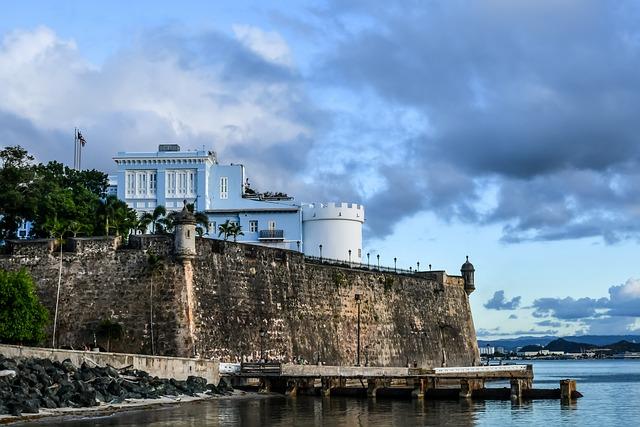
The Historical Context of Puerto Rican Independence Movements
Puerto Rico’s struggle for independence is deeply rooted in its colonial past, marked by a series of events that have shaped the island’s political landscape.The Spanish-American War in 1898 marked a turning point, where Puerto Rico was ceded to the United States, transitioning from Spanish rule to american colonialism. This new governance sparked a surge in national identity among Puerto Ricans, who began to form political movements advocating for self-determination. Key events during this period include:
- The Grito de Lares in 1868, an early revolt against Spanish rule.
- The establishment of the Puerto Rican Nationalist Party in 1922, which sought full independence.
- The Ponce Massacre in 1937, where peaceful demonstrators were shot, highlighting the repressive measures taken against independence activists.
Throughout the 20th century, the quest for self-governance evolved, fueled by the dual forces of a burgeoning sense of national identity and increasing dissatisfaction with U.S. policies. The Jones Act of 1917,which granted U.S.citizenship to Puerto Ricans,failed to address the island’s economic exploitation or political disenfranchisement. As a reaction, the independence movement gained momentum, with various factions advocating for different degrees of autonomy. The discontent further intensified during the 1960s and 70s, as Puerto Ricans began to question not just their political status, but their cultural identity under American influence.
| Year | Significant Event |
|---|---|
| 1898 | Puerto Rico ceded to the U.S. |
| 1917 | Jones Act grants citizenship |
| 1937 | Ponce Massacre |
| 1952 | Puerto Rico becomes a Commonwealth |

Economic Arguments for Sovereignty in the 21st Century
The discourse surrounding economic arguments for sovereignty has intensified as nations and regions reassess their identities and relationships on the global stage. For Puerto Rico, the call for independence is underscored by several significant financial considerations that merit a thorough examination:
- Economic autonomy: Freedom from the constraints of the U.S. federal system allows for tailored economic strategies that cater specifically to Puerto Rico’s unique needs. An independent Puerto Rico could develop policies aimed at fostering local industries and promoting sustainable growth without federal limitations.
- Tax and Investment Reform: As a territory, Puerto Rico faces limitations in federal funding and investment opportunities.Independence would enable the establishment of favorable tax conditions designed to attract foreign investment while keeping the economic benefits within the island.
- Control Over Natural Resources: Sovereignty would grant Puerto Rico full control over its natural resources, potentially unlocking wealth through responsible exploitation and utilization. This could lead to job creation and greater local benefit from resource extraction projects.
Moreover, when evaluating the economic implications, it’s essential to consider how independence could reshape trade relationships. A newly sovereign Puerto Rico could enter trade agreements that prioritize mutual benefit with othre Latin American nations, enhancing its positioning as a strategic player in regional commerce.
| Current Economic Challenges | Potential Sovereign Solutions |
|---|---|
| High dependency on U.S. funding | Creation of a self-sustaining budget |
| Limited investment due to territorial status | Incentivized foreign investment |
| Lack of control over local resources | Resource management tailored to local needs |
Ultimately, the economic rationale for Puerto Rican independence extends beyond simple financial metrics. It encompasses the ability to leverage its geographical advantages, harness local talent, and create a more resilient economy on its own terms. By understanding these dynamics, the case for autonomy becomes not just a political aspiration but a roadmap for sustainable economic development.
Cultural Identity and the Quest for Self-Determination
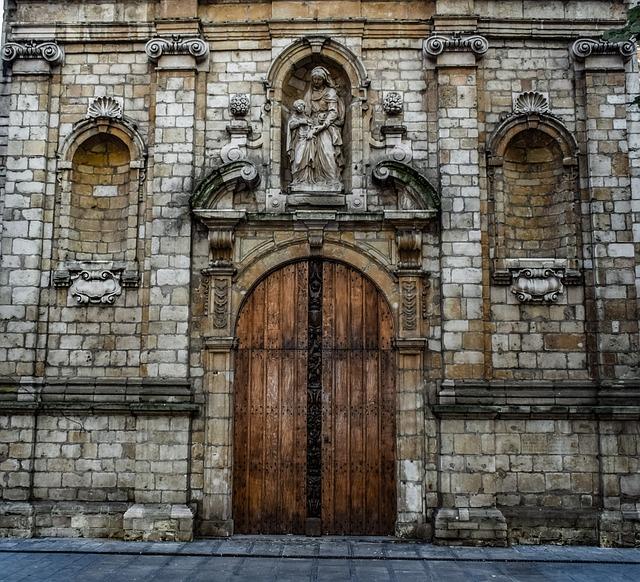
The quest for self-determination among Puerto Ricans is deeply intertwined with their cultural identity,a tapestry woven from indigenous Taino roots,African heritage,and the lasting influences of Spanish colonialism. This rich cultural mosaic informs not only the concerns of Puerto Ricans regarding their political status but also shapes their artistic expressions, language, and community values. Challenging the status quo of colonial rule necessitates a reaffirmation of identity, allowing Puerto Ricans to reclaim narratives that have long been overshadowed by external perspectives.
In embracing their cultural identity, Puerto Ricans are reclaiming their voice regarding self-determination. They strive to emphasize the following key elements:
- Language: The preservation and promotion of Spanish alongside English is pivotal, serving as a cornerstone of Puerto Rican identity.
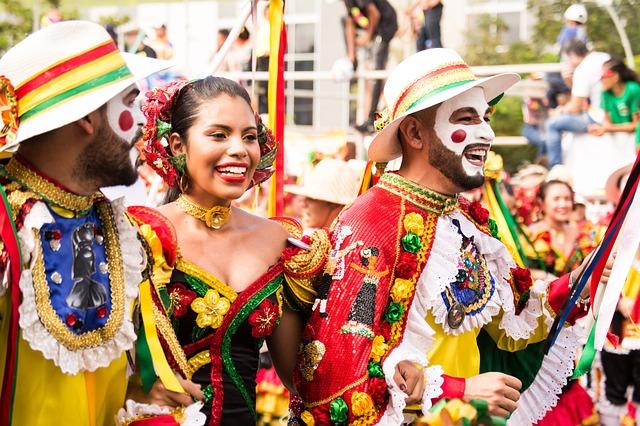
- Tradition: Festivals, music, and culinary traditions that reflect indigenous, African, and Spanish influences unite communities and foster a sense of belonging.
- Artistic Expression: Visual arts, literature, and performance art play significant roles in communicating experiences and aspirations for independence.
Moreover, the push for independence is not merely a political maneuver; it is an essential part of cultural resurgence. The movement seeks recognition of the unique identity that distinguishes Puerto Ricans, affirming that while they share a history with the United States, their path forward must be determined by their own values, history, and vision for the future. Through continual dialog,activism,and advocacy,the quest for independence becomes a celebration of cultural resilience and a commitment to building a society that reflects the authentic Puerto Rican experience.
Political Implications of Independence for Puerto Rico and the United States
The political landscape surrounding Puerto Rico’s independence is complex,reflecting decades of colonial history,cultural identity,and evolving governance structures. Should puerto Rico sever ties with the United States, the implications would extend beyond the island itself, impacting U.S. policy, geopolitics, and even domestic politics.
For puerto Rico, independence could lead to:
- Sovereignty: Gaining full control over governance, resources, and international depiction.
- Economic autonomy: The ability to shape economic policies tailored to local needs without federal oversight or restrictions.
- Cultural resurgence: An possibility to revitalize and promote Puerto Rican culture, history, and language on the global stage.
Conversely, the United States could face several ramifications as an inevitable result of Puerto Rican independence:
- Strategic interests: The U.S. would need to reassess its military and economic strategies in the Caribbean, particularly in light of other emerging powers in the region.
- Political consequences: The potential shift in Hispanic voting power within U.S. politics, as many Puerto Ricans in the diaspora could influence elections and policy discussions related to immigration, social justice, and civil rights.
- International relations: The independence movement could inspire other territories and regions, prompting a reevaluation of U.S.relations with similar entities worldwide.
As discussions around independence gain momentum, it is crucial to examine not only the aspirations of Puerto Ricans but also the geopolitical ramifications that such a significant shift in status would entail for the United States and the Caribbean region as a whole. The evolving narrative demonstrates that the case for independence is not just a local issue but one with the potential to reshape international relations and power dynamics.

International Perspectives on Puerto Rican Independence
The quest for Puerto Rican independence has garnered attention not just within the Caribbean, but also on a global scale. Various international perspectives illustrate the complexities surrounding the island’s political status and its push for autonomy. Advocacy groups across Europe, Latin America, and beyond have rallied behind Puerto Rico, urging the international community to respect its self-determination rights. Notably, there are several key factors that contribute to a growing global consensus on Puerto Rican independence:
- Historical Context: Many countries that have undergone their own struggles for independence empathize with Puerto Rico’s historical context, understanding the implications of colonialism and its long-lasting effects.
- Economic Implications: Observers note that the financial burdens placed on Puerto Rico by its colonial status hinder its economic potential. Countries like Venezuela and Cuba have openly supported Puerto Rico, emphasizing the need for economic autonomy.
- Human rights Advocacy: Global human rights organizations highlight the rights of Puerto Ricans to determine their own future, arguing that independence would enable the people of Puerto Rico to assert their identity and rights more effectively.
Moreover, international organizations, including the United Nations, have been called upon to address Puerto Rico’s political status, with some member states advocating for thorough investigations into the matter. As demonstrated in recent discussions within the UN’s Special Committee on Decolonization, the sentiment is growing that Puerto Rico must be guided by principles of self-determination. Many member states emphasize the urgency of facilitating a fair and inclusive referendum that reflects the true voice of its citizens.
| Country | Position on independence |
|---|---|
| Venezuela | Supportive of independence |
| Cuba | Advocates for self-determination |
| Spain | encourages dialogue |
| United States | Maintains status quo but open to discussions |
Recommendations for a Sustainable Path forward
Considering the pressing need for Puerto Rico to pursue its vision of independence while ensuring a sustainable future, several key recommendations emerge. These strategies focus on fostering economic resilience, social equity, and environmental sustainability:
- Promote Local Industries: Investing in local agriculture, manufacturing, and tourism can harness existing resources and foster economic independence.
- Strengthen Education and Workforce Development: Enhancing educational programs to equip Puerto Ricans with skills aligned to emerging job markets will empower the population.
- enhance Trade Relationships: Exploring bilateral agreements with caribbean nations can diversify markets and reduce dependence on mainland U.S.exports.
- Pursue Environmental Sustainability: Initiatives that protect natural resources while adapting to climate change will ensure a healthier economy and ecosystem.
Moreover, creating a sustainable governance framework is essential. establishing a transparent governance model that incorporates community input will be vital for fostering trust and legitimacy. The inclusion of diverse voices in the decision-making process, especially from marginalized groups, will help create a more equitable society.
| Focus Area | Action Points |
|---|---|
| Economic Development | Incentives for start-ups, tech innovation hubs |
| Social Equity | Support for marginalized communities, targeted funding |
| Environmental Resilience | Investment in renewable energy, conservation projects |
Ultimately, transitioning to an independent Puerto Rico means prioritizing policies that align with the long-term vision of sustainability. By fostering collaborations between government, civil society, and private sectors, the island can carve out a future that honors its heritage while actively addressing contemporary challenges.

To Wrap it Up
As the conversation surrounding Puerto Rican independence gains momentum, it becomes increasingly vital to examine the nuanced and multifaceted perspectives that define this complex issue. The island’s rich history, cultural identity, and socio-economic challenges all intertwine to form a compelling case for reevaluating its status. as advocates call for a renewed focus on self-determination, the potential for political, social, and economic transformation emerges as a significant point of dialogue.In the face of evolving political landscapes, both domestically and globally, Puerto Rico stands at a crossroads. The implications of independence transcend mere political autonomy; they echo through the realms of cultural revival, economic sustainability, and social justice. Ultimately, the choice for Puerto Rico—whether to continue its current relationship with the United States or to chart its own independent course—will shape the future of its people and their pursuit of sovereignty.
As we continue to monitor these developments, it is indeed crucial for policymakers, activists, and citizens alike to engage thoughtfully in discussions about what it truly means for Puerto Rico to be free. The case for independence is not merely a question of governance but a profound exploration of identity, resilience, and hope for a brighter future. The dialogue is far from over, and the path ahead will require the collective efforts of those invested in the island’s destiny.











