


Peru: A Stable Latin American Hub – Global Finance
As the winds of economic uncertainty continue to sweep across various regions of the globe, Latin America finds itself at a crossroads—one that could redefine its financial landscape for years to come. In this context, Peru has emerged as a beacon of stability, showcasing resilience, robust economic policies, and an increasingly attractive investment climate. With its strategic location, rich natural resources, and a burgeoning middle class, the nation is poised to play a pivotal role in the regional economy. This article delves into the factors that contribute to Peru’s status as a stable financial hub in Latin America,exploring its economic trends,the influence of governmental reforms,and the opportunities that lie ahead for global investors looking to tap into this dynamic market.As we unpack the complexities of Peru’s economic landscape, we will consider the challenges that remain and the potential for sustained growth in the years to come.
Economic Resilience and Growth Potential in Peru’s Financial Landscape
Peru’s financial landscape is experiencing a remarkable transformation, positioning itself as a beacon of stability and growth within the Latin American region. Driven by robust economic policies and a resilient banking sector,the country has cultivated an environment conducive to both local and foreign investments. This atmosphere of confidence is reflected in the steady growth of the GDP, which has outpaced many of its regional counterparts.
The Peruvian government has made significant strides in enhancing fiscal discipline and macroeconomic stability. Key factors contributing to this resilience include:
- Sound Monetary Policies: The Central Reserve Bank of Peru employs prudent strategies to control inflation and stabilize the national currency.
- Investment in Infrastructure: Increased public and private investments in infrastructure projects enhance connectivity and efficiency across various sectors.
- Diverse Economic Portfolio: Peru’s economy benefits from a diverse range of industries,including mining,agriculture,and tourism,which buffer economic shocks.
- Strong Regulatory Framework: Adherence to international standards and practices fosters trust among investors, bolstering the financial sector’s integrity.
| Economic Indicator | 2022 | 2023 (Projected) |
|---|---|---|
| GDP Growth Rate | 2.7% | 3.5% |
| Inflation Rate | 6.5% | 4.2% |
| Foreign Direct investment (FDI) | $6 billion | $8 billion |
Looking ahead, Peru’s growth potential appears promising. Continued commitment to reform, alongside effective governance, is expected to sustain economic momentum. These factors not only attract international investors but also foster domestic entrepreneurship, further enhancing the financial ecosystem. As Peru navigates through global economic challenges, its ability to adapt and innovate will be crucial in solidifying its status as a stable financial hub in Latin America.
Investment Climate: Opportunities and Challenges for Global Investors
Peru has established itself as a stable and promising investment destination within Latin America,boasting a rich array of natural resources and a burgeoning economy. As global investors look for new frontiers, Peru’s investment climate presents a unique mix of opportunities tempered by certain challenges.
Opportunities:
- Natural Resources: With vast reserves of minerals like copper, gold, and lithium, Peru is a key player in the global mining sector. This presents lucrative investment possibilities, especially with the increasing demand for electronics and renewable energy technologies.
- Strategic Location: Positioned along the Pacific coast, Peru serves as a gateway to the Asia-Pacific markets. This geographical advantage facilitates trade and export, making it an attractive hub for international business.
- Favorable Trade Agreements: peru’s numerous free trade agreements, including partnerships with the United States and European Union, enhance its appeal by providing access to larger markets with reduced tariffs.
Challenges:
- Political Instability: Despite recent progress, periodic political upheaval can create uncertainty that affects investment confidence and economic predictability.
- infrastructure Deficiencies: While there are ongoing improvements, inadequate transportation and utility infrastructure can hinder business operations, complicating logistics and increasing operational costs.
- Regulatory Environment: Navigating Peru’s regulatory landscape can be complex,causing delays for foreign investors as they seek to comply with local laws and standards.
| Category | Potential | Risks |
|---|---|---|
| Mining Sector | High returns due to resource demand | Regulatory changes |
| Agriculture | Expanding export markets | Climate variability |
| Tourism | Growth in global tourist arrivals | Political unrest impacts travel |
As investors weigh the scales of chance against risk, understanding the nuances of Peru’s economic landscape will be integral to making informed decisions. With cautious navigation, the potential rewards of investment in Peru remain compelling.

Government Policies: Fostering Stability and Economic Reform
In recent years, the Peruvian government has implemented a series of policies aimed at fostering economic stability and enhancing the overall business environment. These strategies are designed to encourage both domestic and foreign investments, ensuring that Peru continues to be viewed as a reliable hub for economic activity within Latin America. Key initiatives include:
- Fiscal discipline: The government has focused on maintaining a balanced budget and reducing public debt, which instills confidence among investors.
- Regulatory Reforms: streamlining regulations has been crucial in reducing red tape, thus facilitating easier access for businesses to operate and expand.
- Investment in Infrastructure: Significant investments in infrastructure projects,such as transport and utilities,bolster economic growth and support long-term growth.
Furthermore, the government has prioritized policies aimed at strengthening the rule of law and protecting property rights. These elements are vital in ensuring a predictable business environment where firms can operate without fear of arbitrary changes to regulations or policies. Transparency initiatives have also been introduced to combat corruption, enhancing the trust of international investors.
To illustrate the impact of these policies, the following table summarizes key economic indicators:
| indicator | Value (2023) |
|---|---|
| GDP Growth Rate | 3.5% |
| inflation Rate | 2.7% |
| Foreign Direct Investment (FDI) | $6.3 billion |
| Public Debt to GDP Ratio | 31% |
Such robust indicators reflect the effectiveness of government policies in nurturing a conducive environment for economic reform, which has translated into tangible benefits for both economic stability and growth. By continuing to build on these foundations, Peru is poised to solidify its status as a leading economic hub in the region.
Peru’s Emerging Sectors: Unlocking New avenues for Foreign Investment
Peru is currently witnessing a dynamic surge in various sectors that promise to diversify its economy and attract foreign investment. the mining sector, long a cornerstone of the nation’s economic framework, is evolving with a renewed focus on sustainable practices and technological advancement. Investors are especially interested in precious metals and lithium, as global demand for these resources continues to rise, fueled by the transition to renewable energy and electric vehicles.
Alongside mining, agriculture is experiencing a renaissance. With favorable climate conditions and an abundance of arable land, Peru is becoming a significant player in organic and superfood production. The country has established a reputation for high-quality exports such as quinoa, asparagus, and avocados, appealing to health-conscious markets around the globe. This sector not only contributes to food security but also creates employment opportunities, enhancing the livelihood of rural communities.
Moreover, the tourism sector remains a vital focus, with Peru’s rich cultural heritage and stunning landscapes drawing travelers from all over the world. The expansion of eco-tourism and sustainable travel options showcases the country’s commitment to preserving its natural beauty while boosting local economies. Active promotion of lesser-known destinations,along with improvements in infrastructure,aims to cater to the growing segment of adventure and cultural tourists.
| Sector | Key Opportunities | Investment Potential |
|---|---|---|
| Mining | Gold, Silver, Lithium | High |
| Agriculture | Organic Products, Superfoods | Medium-High |
| Tourism | eco-Tourism, cultural Tours | Medium |

Navigating Risks: Strategies for Sustainable Investment in Peru
Investors looking to capitalize on opportunities in Peru must remain vigilant about the unique challenges that accompany sustainable investment in this dynamic economy. With its rich natural resources and growing market potential, navigating these risks requires strategic planning and a solid understanding of the local landscape.here are some effective strategies to consider:
- Conduct Thorough Due Diligence: Before committing to any project, investors should conduct comprehensive assessments of environmental, social, and governance (ESG) factors. This includes evaluating local communities’ needs and potential impacts on biodiversity.
- Engage Stakeholders: Building relationships with local stakeholders, including government entities, NGOs, and community leaders, can facilitate smoother operations and mitigate tensions. Regular engagement can help ensure that projects align with community interests.
- Leverage Local Expertise: Partnering with local firms or consultants can provide invaluable insights into the regulatory environment and cultural nuances, enhancing the ability to navigate challenges effectively.
- Adopt Adaptive Management Practices: Implementing flexible management strategies allows investors to respond to changing social, economic, and environmental conditions. This adaptability can safeguard investments against unexpected disruptions.
In terms of financial considerations, understanding the economic climate is crucial. Below is a snapshot of key economic indicators that can impact investment decisions:
| Indicator | Current Value | Trend |
|---|---|---|
| GDP Growth Rate | 3.5% | ↑ stable |
| Inflation Rate | 2.8% | → Moderate |
| Foreign direct Investment | $6.2 billion | ↑ Increasing |
By employing these strategies and keeping a close eye on economic indicators, investors can foster sustainable growth while mitigating risks associated with their ventures in Peru’s diverse investment landscape.

The Role of Infrastructure Development in Strengthening Peru’s Economy
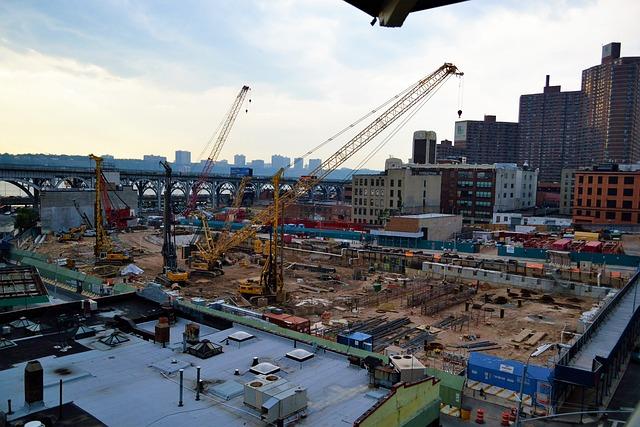
Infrastructure development plays a crucial role in fortifying Peru’s economic landscape, catalyzing growth and enhancing competitiveness in the global arena. With a population exceeding 33 million, the efficient movement of goods and people is essential not only for urban areas but also for remote regions. Current initiatives aim to bridge this gap, ensuring that rural and urban communities can access markets, healthcare, and education, ultimately lifting living standards.
Key infrastructure projects,including the expansion of highways,modernized airports,and upgraded ports,are facilitating trade and investment. These enhancements create a more attractive environment for foreign investors, who see a country committed to improving its logistical capabilities.Some of the primary benefits of these developments include:
- Increased Connectivity: Improved transportation networks connect isolated communities with urban hubs, enabling access to larger consumer bases.
- Boosted Trade: Enhanced ports and road systems reduce time and costs associated with shipping goods, thereby increasing export potential.
- Job Creation: Infrastructure projects generate employment opportunities, contributing to economic stability and growth.
Moreover, the Peruvian government’s investment in sustainable infrastructure, focusing on renewable energy and environmentally kind practices, positions the country as a leader in sustainable development in latin America. By fostering resilience against climate change while promoting economic growth, Peru is not just building structures but is also laying a foundation for long-term prosperity.
| Infrastructure Investment | Projected Impact |
|---|---|
| transportation Projects | 30% reduction in transportation costs |
| Energy Initiatives | 20% increase in renewable energy share |
| Telecommunications | Improved internet access to 80% of rural areas |
In Retrospect
Peru stands as a compelling example of stability and growth within the ever-evolving landscape of Latin America. With its strategic geographical location, diverse economy, and sound fiscal policies, the country has successfully positioned itself as a vital hub for international investment and commerce. As the global financial landscape continues to shift, Peru’s commitment to sustainable development and fostering a favorable business environment enhances its appeal to both regional and global players.
Looking forward,the potential for further economic diversification and technological advancement remains vast,providing ample opportunities for investors and entrepreneurs alike. As Peru navigates the challenges and opportunities of the 21st century, its resilience and strategic initiatives will be crucial in maintaining its status as a cornerstone of stability in Latin America. The unfolding narrative of this vibrant nation will undoubtedly continue to attract the attention of global finance leaders seeking to capitalize on its unique assets and promising future.











