

Panama Country Profile: An Insight into the Heart of Central America
Located at the crossroads of North and South America, Panama is a nation that plays a pivotal role in global trade and geopolitics, largely due to the famous Panama Canal that slices through its territory. This thin strip of land, bordered by the Caribbean Sea to the north and the Pacific Ocean to the south, boasts a diverse landscape that ranges from lush rainforests to vibrant urban centers. With a rich cultural heritage shaped by indigenous, Spanish, and Afro-Caribbean influences, Panama offers a unique tapestry of traditions and languages. As it navigates the challenges of economic development, environmental sustainability, and social equity, understanding Panama’s political landscape and socio-economic dynamics is essential for grasping its position on the world stage. in this profile, we delve into the key aspects of Panama’s geography, history, economy, and culture, providing a complete overview of a country that is much more than just its canal.
Geography and Climate: Understanding Panama’s Diverse Landscapes
Panama is characterized by its stunning diversity in geography, which plays a crucial role in shaping its culture and economy. the country is primarily situated on a narrow isthmus that connects North and South America, bordered by the Caribbean Sea to the north and the Pacific Ocean to the south. This unique position results in a variety of landscapes, including coastal plains, rugged mountains, and lush rainforests. Key features of Panama’s geography include:
- Canal Zone: Home to the famous Panama Canal, an engineering marvel that facilitates global trade.
- Darien Gap: A dense jungle area that stretches along the Colombian border, known for its biodiversity.
- Pacific Coast: Featuring beautiful beaches and islands, popular for eco-tourism and marine life.
- Central Mountain Range: A series of mountains that host a cooler climate and varied flora and fauna.
The climate in Panama is predominantly tropical, which significantly influences its ecosystems. The country experiences a wet season from May to November, followed by a dry season from December to April. Temperature variations are minimal, with average highs around 30°C (86°F) and lows about 22°C (72°F). The diverse climate supports various habitats, from rainforests to coastal mangroves. Here’s a quick overview of the climate features:
| Season | Duration | Characteristics |
|---|---|---|
| Wet Season | May – November | High humidity, frequent rain showers, and lush vegetation. |
| Dry Season | December – April | Lower humidity, sunny days, and a chance to enjoy various outdoor activities. |
Economy and Trade: Analyzing Panama’s Strategic Position in Global Markets
Panama occupies a pivotal position in the global economy due to its strategic geographic location and the existence of the Panama Canal, a vital conduit for international maritime trade. As a natural bridge between North and South America, it facilitates the movement of goods between the Atlantic and Pacific Oceans, significantly impacting global shipping routes. This unique advantage has attracted numerous multinationals to establish their regional headquarters within the country, fostering a thriving economic habitat characterized by robust logistics, finance, and trade sectors.
The nation’s economy is supported by several key industries, which can be highlighted as follows:
- logistics and Transportation: Leveraging the Panama Canal to optimize trade flows.
- Banking and Finance: Establishing a reputation as a regional banking hub due to favorable tax laws.
- Tourism: Attracting visitors with its rich culture and natural beauty.
- Free Trade Zones: Offering attractive incentives for foreign investments.
| Key Economic Sectors | contribution to GDP (% of 2023) |
|---|---|
| Logistics and Transportation | 30% |
| Banking and Finance | 25% |
| Tourism | 15% |
| Trade and Commerce | 20% |
Despite global economic uncertainties, Panama’s diversified economy demonstrates resilience and adaptability. The ongoing investment in infrastructure development, particularly in enhancing the capabilities of the Panama canal and expanding free trade agreements, positions the country favorably for future growth in a competitive global landscape. As Panama navigates the complexities of international trade and economic policies, its strategic location and commitment to facilitating commerce will remain integral to its role in the global market.
Culture and Society: Exploring the Rich Heritage and Modern Dynamics
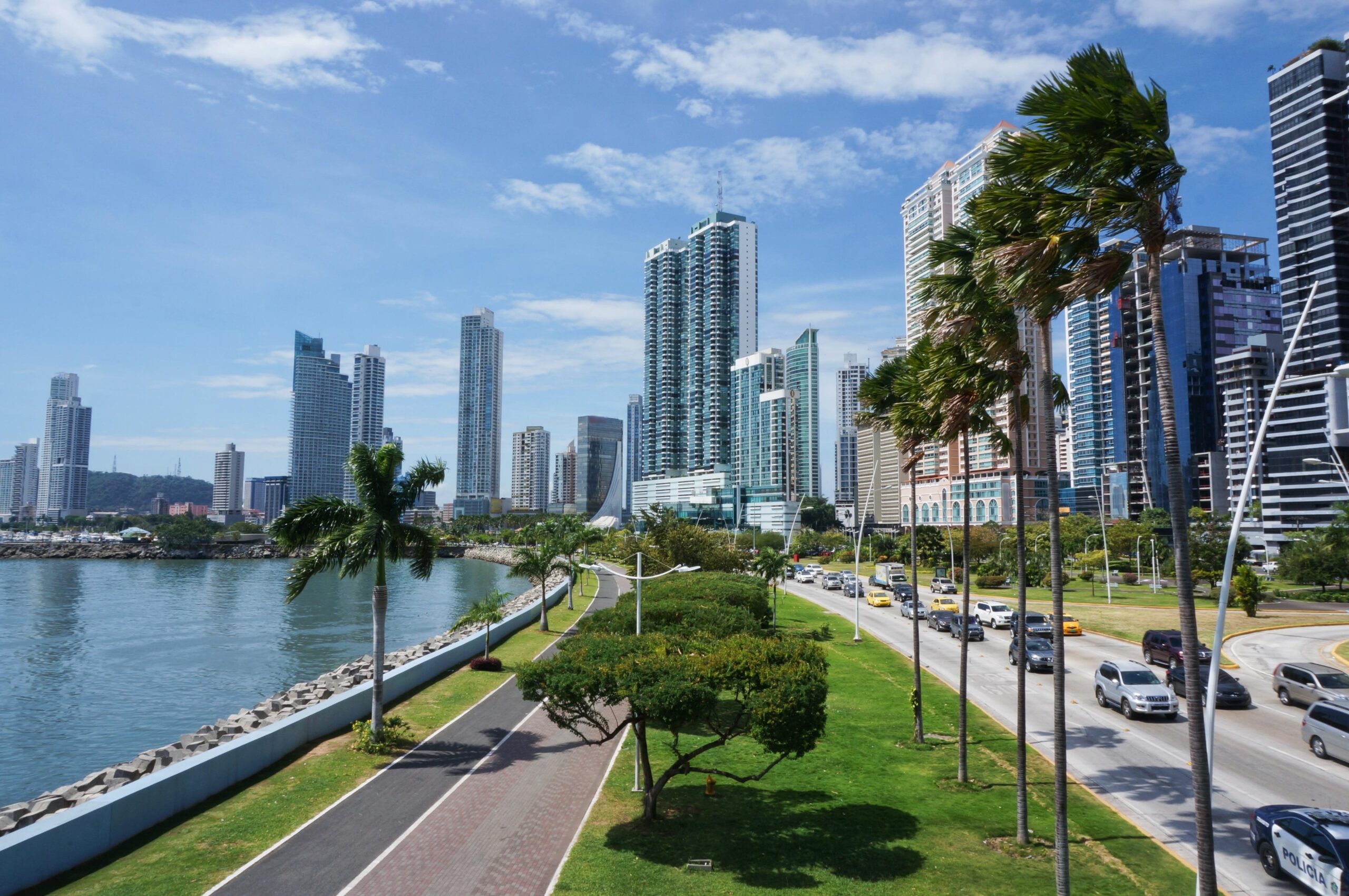
panama’s cultural tapestry is a vibrant blend of indigenous traditions, Spanish colonial influences, and Afro-Caribbean heritage. The country is home to a myriad of ethnic groups, each contributing to its rich cultural landscape. Embodying the spirit of diversity,Panama celebrates its heritage through various festivals such as Carnival and fiestas Patrias,which showcase traditional dance,music,and gastronomy. The renowned Pollera, a traditional dress, alongside the Manito dance, exemplifies the unique cultural expressions born from this eclectic mix. Urban centers like Panama City reflect a contemporary dynamism where modern skyscrapers coexist with historic sites, highlighting a society in flux yet deeply rooted in its past.
Socially, Panama stands out for its youthful demographic and a growing middle class, which has fostered an evolving urban culture. education and technology have become priorities, impacting both workforce dynamics and cultural consumption. The influence of globalization has introduced new trends and ideologies that often intersect with traditional customs. Community life is often centered around local markets and museums, where artisans display their crafts, perfuming the air with the essence of Panama’s legacy.Urban parks and cultural events promote a sense of belonging among Panamanians, encouraging civic engagement and enriching the social fabric of the nation.
travel and Tourism: Recommendations for Experiencing Panama’s Attractions
For an unforgettable experience in Panama, consider exploring the Biosphere Reserve of Coiba, where marine biodiversity flourishes. This UNESCO world Heritage site is ideal for eco-conscious travelers interested in snorkeling and diving. Here,you can encounter vibrant coral reefs,diverse marine life,and pristine beaches. Additionally, the Panama Canal, a marvel of engineering, offers guided tours that allow visitors to witness the operation of this vital waterway and learn about its past significance.Don’t miss the chance to ride the Amador Causeway, which provides stunning views of the canal and the city skyline.
For a taste of local culture, visit the Casco Viejo district, a UNESCO World Heritage site that showcases colonial architecture and vibrant street art. This area is filled with charming cafes, local artisan shops, and lively plazas. Make sure to experience the traditional craftsmanship at the Mercado de Mariscos, where you can enjoy fresh seafood while mingling with locals. Lastly, the Gamboa Rainforest offers an immersive nature experience with canopy tours, hiking trails, and wildlife observation opportunities. Consider planning a day trip to the Embera Indigenous Village, where you can learn about the rich heritage, traditions, and crafts of the Embera people.
To Conclude
Panama is not only known for its strategic geographical location at the crossroads of the Americas but also for its rich tapestry of cultural diversity and economic potential. With a thriving economy bolstered by the Panama Canal, which is a testament to human engineering, the country stands as a vital trade hub that connects the world. Emerging sectors such as tourism and finance further enhance its position on the global stage. As Panama navigates the complexities of development, environmental sustainability, and social equality, it remains a nation with both unique challenges and remarkable opportunities.The information provided in this country profile offers a glimpse into the past, present, and future of Panama, emphasizing its importance on the world map and its role in shaping regional dynamics. As Panama continues to evolve, following its path will be crucial for understanding both Latin America and international relations moving forward.











