


In a significant step towards improving maternal health outcomes, guyana recently convened a National Maternal and Mortality Review Meeting, an initiative supported by the Pan American Health Organization (PAHO). This gathering aimed to address the pressing challenges of maternal and infant mortality within the country, fostering discussions among healthcare professionals, policymakers, and stakeholders. As part of a broader effort to enhance healthcare delivery systems and implement evidence-based strategies, the meeting provided a platform for sharing insights, identifying key areas for intervention, and reinforcing Guyana’s commitment to achieving lasting health improvements in line with regional goals. With maternal health continuing to be a critical concern across the Americas, this review meeting underscores the necessity for collaborative actions to ensure safer pregnancies and healthier outcomes for mothers and their children.
Guyana’s Comprehensive Approach to maternal Health: A National Review Unveiled
In a significant leap towards enhancing maternal health, Guyana has implemented a multi-faceted strategy evidencing its commitment to reducing maternal mortality rates across the nation. This comprehensive approach not only highlights current challenges but also aims to identify actionable solutions that encompass both medical and social dimensions of health. The recent National Maternal and Mortality Review Meeting, facilitated by the Pan American Health Organization, served as a critical platform for stakeholders to dissect existing data, share experiences, and chart a course for improvements.
The review focuses on several key areas:
- Data Analysis: Examining statistics and trends surrounding maternal health, including causes of mortality.
- Healthcare Access: Evaluating accessibility to prenatal care and skilled health professionals.
- Community Education: Promoting awareness of maternal health issues within local communities.
- Policy Advancement: Formulating strategies to strengthen health policies that directly impact maternal care.
Considering the ongoing challenges, vital discussions illuminated the need for enhanced inter-sectoral collaboration. By engaging a broad array of stakeholders—from government agencies to local health providers—the initiative is set to foster a comprehensive response to maternal health. The meeting also emphasized the importance of continuous monitoring and evaluation to ensure sustained progress and effective resource allocation.
| Key Challenges | Proposed Solutions |
|---|---|
| High incidence of complications | Training programs for healthcare workers |
| Poor community awareness | Increase public health campaigns |
| Access to care in remote areas | Mobile health units and telemedicine |
This national review is not just a meeting of minds but a cornerstone for a renewed commitment to advancing maternal health in Guyana. With well-defined goals and strategies,the country is poised to make strides toward ensuring safe pregnancies and healthier outcomes for mothers and infants alike.

Key Findings from the National Maternal Mortality review Meeting
The National Maternal mortality Review Meeting yielded several critical insights that aim to enhance maternal health outcomes in Guyana. Participants emphasized the necessity of data-driven approaches and highlighted key trends observed in recent maternal mortality cases. Understanding these trends is vital for developing targeted interventions.
Notable points discussed included:
- Increased surveillance: Regular monitoring of maternal health indicators is essential to identify at-risk groups.
- Healthcare Access: Geographic and socioeconomic barriers still hinder access to quality maternal care, especially in rural areas.
- Antenatal Care Advancement: Enhanced outreach programs and educational initiatives to promote routine antenatal visits were deemed crucial.
- Community Engagement: Empowering local communities to take part in maternal health initiatives can bolster support and awareness.
Moreover, a collaborative approach between healthcare providers and community organizations has been proposed. Effective communication and shared resources could lead to more comprehensive maternal care strategies, reducing the incidence of preventable fatalities.
To better understand the landscape of maternal health in Guyana, the meeting participants reviewed a concise table of maternal mortality statistics over the past five years:
| Year | Total Maternal Mortality Cases | Improvement Rate (%) |
|---|---|---|
| 2018 | 45 | N/A |
| 2019 | 40 | 11.1 |
| 2020 | 35 | 12.5 |
| 2021 | 30 | 14.3 |
| 2022 | 25 | 16.7 |

Collaborative Efforts with the Pan American Health Organization for Enhanced healthcare Delivery
The recent National Maternal and Mortality Review Meeting held in guyana serves as a pivotal step in strengthening healthcare delivery across the nation through collaborative engagements with the Pan American Health Organization (PAHO). this partnership underscores the commitment of both entities to improve maternal health outcomes and address the challenges faced in achieving comprehensive healthcare access.
central to the discussions were key objectives aimed at enhancing healthcare systems, including:
- Data Analysis: leveraging statistical insights to identify trends and develop strategies that target high-risk areas.
- Training Initiatives: Implementing workshops focused on the latest best practices in maternal care for healthcare professionals.
- Policy Development: Collaborating to create frameworks that support sustainable healthcare practices and resource allocation.
To facilitate these efforts, PAHO has provided essential resources and guidance, transforming the way healthcare providers approach maternal health. This collaborative approach aims to foster a supportive habitat that enables healthcare workers to deliver safe and effective care. By harnessing data and fostering inter-agency cooperation, Guyana is poised to establish a model of care that can be replicated throughout the region.
Examples of how these collaborative initiatives are set to reshape healthcare delivery can be summarized as follows:
| Key Area | Collaborative Action |
|---|---|
| Maternal Health Education | Workshops and training sessions across healthcare facilities. |
| Continuous Monitoring | regular reviews of maternal health data for timely interventions. |
| community Outreach | Awareness campaigns to educate the public on maternal health issues. |
The synergy between Guyana and the Pan American health Organization exemplifies a unified approach to addressing healthcare challenges, focusing on maternal health as a cornerstone of public health strategy. As these initiatives unfold, the coalition aims not only to decrease mortality rates but also to advance the overall well-being of mothers and children throughout the country.
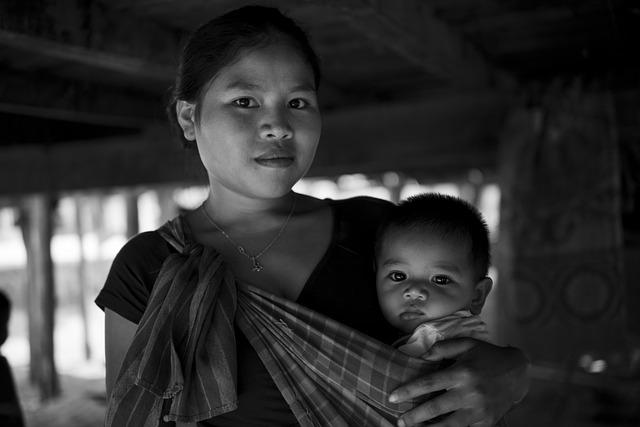
Targeted Recommendations for Reducing Maternal Mortality Rates in Guyana
Considering the recent National Maternal and Mortality review Meeting, stakeholders emphasize the urgent need for a multifaceted approach to address the factors contributing to maternal mortality in Guyana. Among the critical recommendations put forth are:
- Improved Access to Healthcare Services: Enhance the availability of maternal healthcare facilities, notably in rural areas, ensuring accessibility for all women throughout their pregnancy.
- Strengthening Health worker Training: Invest in comprehensive training programs for healthcare providers, focusing on prenatal, delivery, and postnatal care to improve outcomes and reduce complications.
- Community Engagement and Education: Launch awareness campaigns to educate women about their rights and the importance of seeking timely medical care during pregnancy and childbirth.
- Enhanced Data Surveillance: Implement a robust system for collecting and analyzing maternal health data to identify trends, risk factors, and areas needing intervention.
Another vital aspect of the strategy involves the establishment of a multidisciplinary task force dedicated to maternal health. this group will oversee the following initiatives:
| Initiative | Objective |
|---|---|
| Public Health Campaigns | Increase awareness of maternal health services available |
| Telemedicine Services | Provide remote consultations to women in underserved areas |
| Partnerships with ngos | Leverage resources and expertise for community outreach |
| Regular Training Workshops | Continuous education for healthcare providers on best practices |
By implementing these targeted recommendations, Guyana can make significant strides in reducing maternal mortality rates, fostering healthier communities, and ensuring that every woman has the prospect for a safe and healthy pregnancy.

Strengthening Community Engagement and Awareness in Maternal Health initiatives
In an effort to enhance public participation and elevate maternal health standards, the recent National Maternal and Mortality Review Meeting in Guyana brought critical stakeholders together to focus on community-driven solutions. Health professionals, government officials, and local advocates convened to share insights and strategies aimed at promoting awareness and encouraging community involvement in maternal health initiatives.
Effective community engagement is vital in addressing maternal health challenges. The meeting recognized several key strategies, including:
- Education and Training: Empowering community health workers through focused training sessions to better inform and assist local populations.
- Public Awareness Campaigns: Utilizing local media and social networks to spread vital details about maternal health resources and services available.
- Collaboration with Local Organizations: Partnering with NGOs and community leaders to ensure that maternal health programs are both culturally relevant and accessible.
Moreover, stakeholders discussed the importance of optimizing data collection and sharing, as comprehensive data can lead to more effective interventions. A collaborative effort can ensure that insights from community engagement shape health policies and programs. The implementation of community feedback mechanisms is critical, allowing citizens to voice concerns and suggest improvements in maternal health services.
| Focus Area | Community Action |
|---|---|
| Awareness Raising | Workshops and seminars to educate local mothers |
| Healthcare Access | Mobile clinics for remote areas |
| Feedback Mechanisms | Surveys and community forums |
The commitment to strengthening community engagement in maternal health initiatives not only enhances awareness but also fosters a collective duty towards ensuring safer pregnancies and births across Guyana. Emphasizing the role of local communities in health promotion can lead to sustainable improvements and better outcomes for mothers and their children.

future Actions and Policy implications for Sustainable health Improvements in Guyana
In the wake of the recent National Maternal and Mortality Review Meeting, there is an urgent need for a comprehensive approach to enhance health outcomes in Guyana. Stakeholders have recognized the importance of implementing evidence-based policies that directly address the root causes of maternal and neonatal mortality. A multi-dimensional strategy that focuses on access to quality healthcare, education, and community-based interventions is essential for sustainable improvements.
Key policy recommendations include:
- Strengthening Healthcare Infrastructure: Ensuring that healthcare facilities are equipped with essential medical supplies and trained personnel to cater to maternal and child health needs.
- Enhancing Education and Awareness: Implementing public health campaigns to educate communities about maternal health,family planning,and nutrition.
- Integrated Health Services: Developing a coordinated approach among different healthcare providers to ensure continuity of care and follow-up for mothers and their infants.
- Data-Driven Decision Making: Utilizing robust data collection methods to monitor maternal health trends and guide policy adjustments.
To facilitate these initiatives, collaboration between government entities, non-governmental organizations, and international health organizations is paramount. Partnerships can mobilize resources and expertise, enabling the development of programs tailored to the unique socio-cultural dynamics of Guyana. Openness in communication and feedback from community members can ensure that interventions are relevant and effective.
Effectively addressing maternal and neonatal health issues in Guyana requires not only immediate actions but also long-term commitments from all sectors involved. By prioritizing the health of mothers and their babies, Guyana can build a foundation for a healthier future, ultimately contributing to the nation’s overall development and well-being.
Future Outlook
guyana’s National Maternal and Mortality Review Meeting, organized in collaboration with the Pan American Health Organization, marks a significant step forward in addressing maternal health challenges within the region. By prioritizing data-driven discussions and collaborative strategies, stakeholders are now better equipped to identify critical gaps and implement effective interventions aimed at reducing maternal and neonatal mortality rates. The commitment to transparency and continuous improvement in healthcare practices underscores the government’s proactive approach to safeguarding the wellbeing of mothers and infants. As Guyana moves forward, the insights gained from this meeting will play a pivotal role in shaping policies that ensure healthier futures for generations to come. The engagement of health professionals, government officials, and community leaders reflects a unified determination to strengthen the country’s healthcare system, ultimately promoting a culture of safety and support for all mothers.











