


In a meaningful collaborative effort to combat deforestation and promote sustainable agriculture, the United Nations Development Program (UNDP) has partnered with the government of Ecuador and the Lavazza Foundation to champion the production of deforestation-free coffee. This initiative seeks to protect the country’s rich biodiversity and critical forest ecosystems while supporting local coffee farmers in adopting environmentally responsible practices. as global demand for coffee continues to rise, this partnership aims to redefine the coffee supply chain, ensuring that economic growth doesn’t come at the expense of Ecuador’s vital natural resources. By leveraging innovative agricultural techniques and sustainable land management, this project promises to enhance both the livelihoods of local communities and the overall health of Ecuadorian forests.
Collaborative Efforts to combat Deforestation in Ecuador

In a pioneering move, the UN Development Programme (UNDP) has teamed up with the government of Ecuador and the Lavazza Foundation to forge a path towards sustainable coffee production while protecting the nation’s invaluable forests. This collaborative initiative aims to tackle deforestation by promoting agroforestry practices and encouraging farmers to cultivate coffee without further encroaching on forested areas. Key strategies include:
- Agroforestry Training: Providing local farmers with training on sustainable coffee cultivation techniques that integrate tree planting and forest conservation.
- Financial Incentives: Offering incentives for farmers who commit to deforestation-free practices, thereby encouraging economic viability without harming ecosystems.
- Community Engagement: Involving local communities in decision-making processes to ensure that conservation measures align with their needs and knowledge.
This initiative not only aims to reduce the environmental impact of coffee farming but also enhances the livelihoods of local communities by emphasizing sustainable practices.The UNDP, alongside its partners, has designed a programme that effectively balances economic growth with ecological conservation. By forging mutual benefits, the project emphasizes the importance of maintaining biodiversity while promoting the production of high-quality coffee. The expected outcomes include:
| Outcome | Description |
|---|---|
| Increased Forest Cover | Restoration of degraded lands through reforestation efforts. |
| Improved Farmer Income | Higher profits from sustainable coffee production. |
| Enhanced Biodiversity | protection of various plant and animal species in coffee-growing regions. |
| Community Empowerment | Strengthening local governance and knowledge sharing. |
through these aspiring projects, the partnership envisions a transformative impact on both the coffee industry and Ecuador’s natural landscapes. By demonstrating a viable model for sustainable agriculture, this collective effort sets a precedent for similar initiatives across Latin America, ultimately aiming to create a greener future for generations to come.
The Role of UNDP in Promoting sustainable Coffee Practices
The United Nations Development Programme (UNDP) is playing a pivotal role in transforming the coffee industry through innovative partnerships and sustainable practices. In collaboration with the government of Ecuador and the Lavazza Foundation,the UNDP is spearheading initiatives aimed at promoting deforestation-free coffee cultivation. This effort is not just about protecting the environment; it also strives to enhance the livelihoods of local farmers, who are essential to the coffee supply chain.
Through this partnership, the UNDP is implementing several key strategies:
- Training and Education: Providing farmers with training on sustainable agricultural practices that prioritize soil health and biodiversity.
- Certification Standards: Developing and promoting certification standards for sustainable coffee that can definitely help farmers gain access to premium markets.
- Community Engagement: Involving local communities in decision-making processes to ensure that the initiatives meet their needs and perspectives.
- Monitoring and Evaluation: Establishing a robust monitoring system to assess the impact of sustainable practices on both the environment and farmer incomes.
As part of its commitment, the UNDP also emphasizes the importance of creating a market for deforestation-free coffee, recognizing that consumer awareness and demand can drive significant change. The program aims to boost the visibility of these sustainably produced coffees,encouraging consumers worldwide to make choices that support both the environment and rural economies.
| Key Initiatives | Description |
|---|---|
| environmental Protection | Focus on reducing deforestation through sustainable farming methods. |
| Economic Empowerment | increasing the profitability for farmers while ensuring ecological balance. |
the UNDP’s partnership in Ecuador marks a significant step towards embedding sustainability into the coffee industry. By fostering collaboration among stakeholders and leveraging innovative practices, this initiative not only aims to protect forests but also seeks to uplift the livelihoods of those who depend on coffee farming.
Lavazza Foundation’s Commitment to Environmentally Friendly Agriculture

The Lavazza Foundation is at the forefront of promoting sustainable agricultural practices through its initiatives aimed at preserving the environment while enhancing the livelihoods of coffee farmers. Through a complete approach that integrates environmental conservation with economic development, the Foundation advocates for deforestation-free coffee cultivation in ecuador. This commitment aligns with global efforts to combat climate change and protect vital ecosystems.
central to this initiative is the collaboration with local farmers, providing them with the necessary resources and training to adopt sustainable farming techniques. By implementing agroforestry models that prioritize biodiversity, farmers can cultivate coffee alongside native tree species, creating a balanced ecosystem that benefits both the environment and the community. The key aspects of lavazza’s approach include:
- Education and Training: Workshops and on-ground support to teach farmers about sustainable practices.
- Market access: Ensuring that farmers have a direct line to ethical markets that value environmentally-conscious coffee.
- Community Engagement: Involving local communities in decision-making processes regarding land use and conservation strategies.
Moreover,the Lavazza Foundation’s efforts are supported by research and partnerships that focus on integrating technology in agriculture. The results from pilot projects are promising, showcasing both economic viability and ecological benefits. A recent study highlighted the positive impact of these practices on local biodiversity,making a significant case for the reproduction of these methods across wider regions.
| Focus Area | Impact |
|---|---|
| Sustainable Farming | Increased yield while reducing deforestation |
| Community involvement | Empowerment of farmers through education |
| Biodiversity | Enhancement of local ecosystems |
Innovative Strategies for Supporting Local Coffee farmers
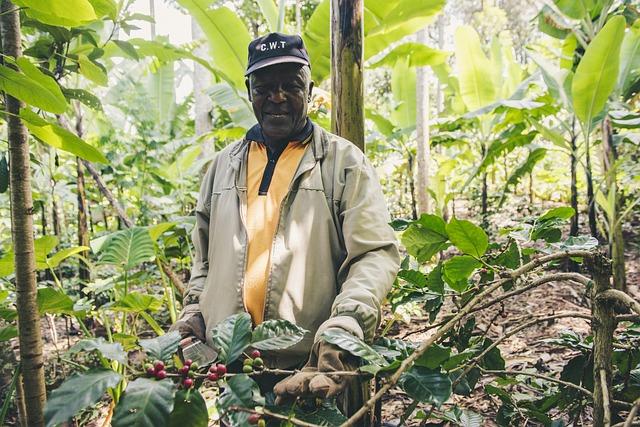
The collaboration between the UN Development Programme, the government of Ecuador, and the Lavazza Foundation marks a significant step towards a sustainable future for local coffee farmers. By focusing on deforestation-free coffee cultivation,this partnership not only aims to protect vital forest ecosystems but also enhances the livelihoods of farmers through innovative strategies. Key elements of this initiative include:
- Agroforestry Practices: Incorporating trees into coffee plantation systems can increase biodiversity, improve soil health, and provide additional income sources for farmers.
- Training and Education: Workshops and seminars aimed at educating local farmers about sustainable agricultural methods empower them to implement best practices.
- Financial Support: Access to financing options encourages farmers to invest in eco-friendly technologies and practices, thus reducing reliance on harmful methods.
- Market Access: Developing partnerships with international coffee buyers creates opportunities for farmers to sell their deforestation-free products at premium prices.
Through these innovative strategies,the initiative is not just addressing environmental concerns; it is indeed fostering economic resilience and promoting long-term sustainability among local coffee farming communities. Furthermore, empowering farmers with the tools and knowledge they need ensures they can adapt to changing market dynamics while protecting their natural resources.
One notable outcome can be seen in the collaboration’s impact on local communities, where farmers are increasingly adopting sustainable practices. Below is a summary of progress indicators:
| Indicator | Before Implementation | After Implementation |
|---|---|---|
| Percentage of farmers adopting sustainable practices | 30% | 70% |
| Increase in coffee yield per hectare | 800 kg | 1,200 kg |
| Average income of farmers | $1,200 | $1,800 |
Ultimately, by prioritizing deforestation-free coffee production, this initiative serves as a model for future partnerships aimed at promoting sustainable agriculture and environmental conservation globally.
Long-Term Benefits of Deforestation-Free Coffee Initiatives

Implementing deforestation-free coffee initiatives offers a multitude of long-term benefits that extend beyond the immediate environmental impact. By prioritizing sustainable farming practices, these initiatives contribute to the preservation of biodiversity, ensuring that ecosystems remain intact and resilient. Healthy forests play a crucial role in supporting various wildlife species,many of wich are endangered and rely on these habitats for survival.
Moreover, deforestation-free coffee practices enhance soil health. When farmers adopt agroforestry techniques, they rotate coffee crops with other native plants, leading to improved soil fertility and reduced erosion. This not only boosts the quality and quantity of coffee production but also ensures that the land remains productive for future generations. Consequently, farmers can achieve greater economic stability, which in turn supports community development.
In addition to environmental and agricultural benefits, shifting towards deforestation-free sourcing fosters stronger relationships within the supply chain. By aligning with ethical practices, coffee producers can attract conscientious consumers willing to pay higher prices for sustainably sourced products. This consumer demand can further incentivize farmers and cooperatives to maintain or expand their commitment to environmental stewardship.
| Benefit | Description |
|---|---|
| Environmental Preservation | Safeguards biodiversity and protects endangered species. |
| Soil Health Enhancement | Enhances fertility and reduces erosion through sustainable practices. |
| Economic Stability | Generates higher income for farmers through premium pricing. |
| Community Development | Supports local economies and fosters development projects. |
Recommendations for Scaling Sustainable Practices in the Coffee Industry

As the coffee industry faces pressing environmental challenges, scaling sustainable practices is essential for ensuring the future of both coffee production and the planet. Collaborative efforts such as those led by the UN Development Programme, the government of Ecuador, and the Lavazza Foundation demonstrate that effective partnerships can lead to innovative solutions. To build upon these initiatives, several strategies can be implemented:
- Promote Organic Farming: Encouraging farmers to adopt organic farming methods not only reduces the need for harmful pesticides but also enhances soil health and biodiversity.
- Invest in Agroforestry: integrating trees within coffee farms can help restore ecosystems, improve microclimates for coffee plants, and provide additional income sources through fruit and timber products.
- Implement Certification Programs: Developing and promoting robust certification standards for sustainability can definitely help consumers make informed choices, while rewarding farmers who adhere to sustainable practices.
- Enhance Supply Chain Transparency: Using technology such as blockchain can facilitate transparency in sourcing, enabling consumers to trace their coffee back to its origins and ensuring that sustainable practices are upheld throughout the supply chain.
Collaboration between stakeholders—including policymakers,farmers,consumers,and NGOs—is vital for scaling these recommended practices. Engaging local communities in training programs about sustainable techniques can not only empower farmers but also engender a sense of ownership in the sustainability movement.
| Key Areas of Focus | Benefits |
|---|---|
| Water Conservation | Preserves local water resources and reduces costs for farmers. |
| Waste Reduction | Minimizes environmental impact and creates opportunities for recycling and upcycling. |
| Community Engagement | Fosters local networks and enhances social obligation among producers. |
by aligning efforts towards these recommendations, the coffee industry can not only mitigate deforestation but also contribute to the holistic wellbeing of communities and ecosystems that rely on coffee production. In turn, these sustainable practices can shape a resilient future for coffee, fostering an ethical and environmentally-friendly industry for generations to come.
Future Outlook
the partnership between the UN Development Programme,the government of Ecuador,and the Lavazza Foundation marks a significant step towards sustainable agricultural practices and the preservation of Ecuador’s vital forest ecosystems. By promoting deforestation-free coffee cultivation, this initiative not only aims to enhance the livelihoods of local farmers but also to safeguard the biodiversity and environmental integrity of one of the world’s most crucial ecological regions. As the global demand for coffee continues to rise, such collaborative efforts are essential in aligning economic growth with environmental conservation. The commitment of these organizations highlights the importance of responsible resource management and sets a powerful precedent for similar initiatives worldwide. the success of this partnership could serve as a model for integrating sustainability into agricultural production, ultimately contributing to a more harmonious coexistence between industry and nature.











