

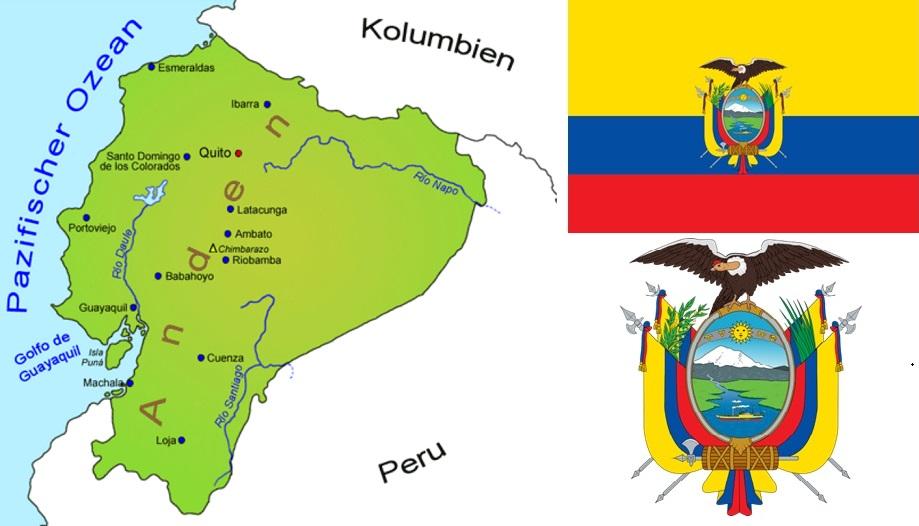
In recent years, Ecuador has emerged as a focal point for discussions surrounding crime and public security in Latin America. The escalation of violence, particularly linked to organized crime, has prompted the Ecuadorian government to adopt the controversial security strategy known as “mano dura,” or “iron fist.” This approach emphasizes strict law enforcement measures and heavy-handed tactics aimed at curbing criminal activity. As Ecuador navigates the complexities of its socio-political landscape, the endurance of mano dura poses critical questions about the balance between security and civil liberties, the effectiveness of militarized policing, and the long-term implications for the nation’s democracy. In this article, we delve into the current state of mano dura in Ecuador, examining its historical roots, the socio-political context that has fueled its adoption, and the broader implications for human rights and governance in Latin America. With insights from experts at the Americas Society/Council of the Americas (AS/COA), we aim to provide a comprehensive analysis of this pressing issue and its potential trajectory in one of the region’s most dynamic nations.
The Enduring Appeal of Mano Dura Policies in Ecuador’s Security Landscape
The implementation of mano dura policies in Ecuador reflects a profound societal response to the escalating issues of crime and violence that plaque the country. These hardline approaches have consistently garnered traction due to the perception that they offer immediate and tangible solutions amidst a backdrop of growing insecurity. Advocates argue that stronger law enforcement measures, such as increased police presence and mandatory prison sentences, effectively deter criminal activity and foster a sense of safety among the populace. Moreover, public support is often bolstered by emotional narratives surrounding victimization, where citizens rally for a decisive fight against transnational crime syndicates that threaten their daily lives.
However, the enduring appeal of such policies transcends mere public sentiment; it is closely tied to historical patterns of governance. The government’s reliance on mano dura is often viewed as a reflection of the state’s inability to address deeper socio-economic inequalities that fuel crime. This paradox creates a feedback loop where strong-arm tactics, while popular, fail to address the root causes of violence, leading to a cyclical dependency on punitive measures. As the dynamic of violence continues to evolve, this strategy raises critical questions about the efficacy and ethics of using coercive methods as a substitute for comprehensive social reform.
Analyzing the Socioeconomic Factors Behind the Persistence of Tough Measures
The resilience of stringent law enforcement measures in Ecuador is deeply ingrained in a complex web of socioeconomic factors that shape public perceptions and responses to crime. Economic instability plays a critical role; with high unemployment rates and limited opportunities, many citizens see crime as a viable option for survival. Consequently, the pressure on the government to implement tough policies increases, often overshadowing calls for reformative approaches that address underlying issues. Additionally, inequitable wealth distribution fosters feelings of frustration and exclusion among lower-income communities, making the populace more receptive to authoritarian measures that promise safety, even at the cost of civil liberties.
Furthermore, social narratives surrounding safety and security significantly influence public support for such measures. In a landscape rife with public crime incidents, the perception that the state cannot adequately protect its citizens drives a preference for aggressive policing. This perception is often amplified by media portrayals that sensationalize crime, leading to a public outcry for stronger actions. As seen in many regions, including Ecuador, the resulting cycle emphasizes repressive tactics over community-based solutions, creating an environment where tough policies not only persist but are further legitimized by a populace eager for immediate results in the face of persistent threats.
Evaluating the Impact of Mano Dura on Crime Rates and Civil Liberties
The implementation of Mano Dura, or “Iron Fist,” policies in Ecuador has elicited considerable debate over their effectiveness in reducing crime rates. Proponents argue that such measures, including increased police presence and harsher penalties for offenders, have led to a notable decline in certain types of violent crime, particularly in urban hotspots. Statistics reveal a significant drop in homicide rates, with comparison studies suggesting that cities under Mano Dura initiatives displayed improvements from previous years. However, critics contend that these approaches often lead to human rights violations and misuse of law enforcement powers, creating a climate of fear rather than security among citizens.
Moreover, the tension between enhanced security and civil liberties remains a critical point of discussion. In many cases, the aggressive tactics employed under Mano Dura have resulted in allegations of police brutality and arbitrary arrests. This unilateral focus on suppression over rehabilitation raises serious questions about the long-term implications for social justice and community trust in law enforcement. The following table illustrates some key statistics related to crime rates and civil liberties concerns during the implementation of Mano Dura in recent years:
| Year | Homicide Rate (per 100,000) | Reported Police Misconduct Incidents | Public Perception of Safety (%) |
|---|---|---|---|
| 2019 | 8.9 | 150 | 60 |
| 2020 | 7.5 | 200 | 55 |
| 2021 | 6.2 | 250 | 52 |
Recommendations for a Comprehensive Approach to Security Reform in Ecuador
In light of the ongoing challenges surrounding security in Ecuador, a multifaceted strategy is essential to effectively address the root causes of violence and crime. Key recommendations include:
- Community Engagement: Foster collaboration between law enforcement and local communities to build trust and develop tailored solutions that address specific regional issues.
- Crime Prevention Programs: Invest in social initiatives that target at-risk youth through education, job training, and recreational activities.
- Judicial Reforms: Strengthen the judiciary to ensure a fair and efficient legal process that deters criminal activity and builds public confidence.
- Intelligence Sharing: Promote greater coordination and intelligence sharing among police, military, and local agencies to enhance response capabilities.
Furthermore, understanding that security reform cannot operate in isolation, Ecuador must embrace a broader approach that prioritizes socio-economic development. This includes:
- Economic Opportunities: Support job creation initiatives in impoverished areas, decreasing the allure of gang affiliation as a means of survival.
- Health and Well-being Focus: Implement programs aimed at addressing mental health and substance abuse that often contribute to crime rates.
- International Cooperation: Engage with regional partners and international organizations for best practices, capacity building, and funding for security-related initiatives.
To Conclude
In conclusion, the persistence of Mano Dura policies in Ecuador highlights the complex interplay of societal demands for safety and the political responses that prioritize strict law enforcement measures. As Latin America grapples with issues of crime and security, Ecuador’s experience serves as a critical case study in the effectiveness and consequences of heavy-handed approaches. While the government seeks to ensure public safety through aggressive strategies, the implications on human rights, social cohesion, and the long-term stability of communities must not be overlooked. As Ecuador moves forward, the challenge will lie in balancing security needs with the promotion of justice and equality-a task that may ultimately determine the durability of such policies in the region. The ongoing discourse surrounding Mano Dura will be essential in shaping the future trajectory of Ecuadorian society and governance, inviting further examination and dialogue on the most effective paths toward lasting peace and safety.











