


As the geopolitical landscape continues to shift, China’s influence in Latin America is becoming increasingly pronounced, sparking interest and concern among policymakers, analysts, and citizens alike. Through a combination of strategic investments, trade partnerships, and diplomatic engagement, China has emerged as a dominant player in the region, shaping economic trajectories and political landscapes in ways that were once unthinkable. This article examines the multifaceted nature of China’s expanding footprint in Latin America, exploring the implications for regional development, U.S. foreign policy, and the delicate balance of power on a global scale. From infrastructure projects to technology transfers,the growing ties between China and Latin American nations are redefining traditional alliances and posing new challenges and opportunities in the 21st century. Join us as we delve into the dynamics of this evolving relationship and its potential impact on the future of both regions.
Evaluating the Economic Engagement Between China and Latin American Countries

The economic ties between China and Latin American countries have gained notable traction over the past two decades, as China emerges as a crucial player in the region’s economic landscape. A variety of sectors have seen heightened cooperation, including trade, infrastructure, and investment. The allure of Chinese capital has transformed how many Latin American nations approach foreign investment, often prioritizing partnerships that promise swift economic dividends.
Key factors driving this engagement include:
- Infrastructure Investment: China’s Belt and Road Initiative has facilitated projects in energy, transportation, and telecommunications across Latin America.
- Trade Growth: China is now one of the region’s top trading partners, with exports primarily consisting of commodities such as soy, copper, and oil.
- Financial Support: Chinese banks and development funds provide loans and financial assistance, enabling countries to pursue large-scale projects.
- Market Access: Latin American countries benefit from access to the vast Chinese market, crucial for diversifying their economies.
To illustrate the scale of this economic relationship, the following table highlights the trade volumes and key commodities exchanged between select Latin American countries and China:
| Country | Trade Volume (2022, $ billion) | Top Exports to China |
|---|---|---|
| Brazil | 87.2 | Soybeans,Iron Ore |
| Chile | 48.9 | Copper, Wine |
| Argentina | 21.3 | Soybean Oil,Corn |
| Peru | 16.5 | Copper, Fishmeal |
This deepening economic engagement is reshaping the development strategies of many Latin American nations, frequently enough leading them to reassess their partnerships with traditional Western allies. As economic dependencies evolve, questions about the implications of such relationships on sovereignty, governance, and long-term sustainability are increasingly prominent in regional discourse.
the Role of Infrastructure Investments in Shaping Bilateral Relations
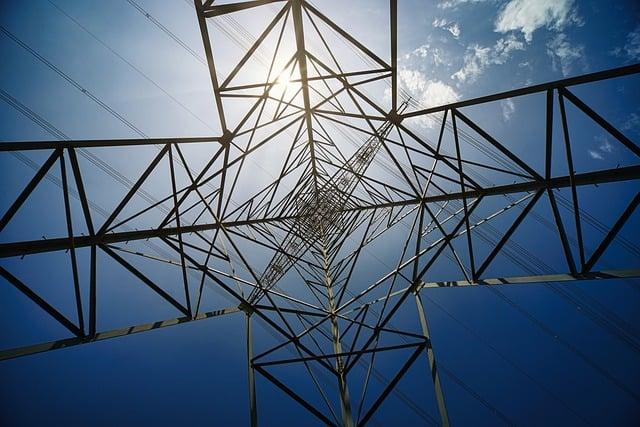
Infrastructure investments have emerged as a pivotal tool in shaping diplomatic ties, notably between China and Latin American nations. Through extensive funding for various projects, China has been able to secure not only economic partnerships but also strategic alliances. These investments often include:
- Transportation Networks: Construction of railways and highways that facilitate trade and movement.
- Energy Projects: Development of renewable energy sources, such as solar and wind, as well as traditional energy infrastructures.
- telecommunications: enhancements in digital connectivity through investments in 5G networks and internet infrastructure.
This infrastructure strategy serves dual purposes; it bolsters local economies while together deepening China’s foothold in the region.By providing crucial financing and technical expertise, China positions itself as a crucial partner in the economic development of Latin American countries. These ventures not only enhance trade relations but also facilitate cultural exchanges, which can lead to greater mutual understanding and support between governments.
Furthermore, the geopolitical implications of such investments cannot be ignored. As Latin American countries increasingly rely on Chinese financing, they may inadvertently align more closely with China’s foreign policy objectives. This can create a complex dynamic where nations must navigate their traditional relationships with the United States while simultaneously benefiting from China’s investments. The following table highlights notable infrastructure projects financed by China in Latin America:
| Country | Project | Investment (in billion USD) |
|---|---|---|
| Brazil | High-Speed Rail | 5.0 |
| Argentina | Hydropower Plant | 2.5 |
| Peru | Mining Infrastructure | 3.2 |
As these investments continue to shape the economic landscape, the implications for bilateral relations evolve, laying the groundwork for a complex interplay of benefits and dependencies that merits ongoing observation and analysis.
Cultural Exchanges: Building Soft Power Through Education and media

The intricate tapestry of cultural exchanges between China and Latin America highlights a strategic endeavor to enhance soft power through educational initiatives and media outreach. In recent years, China has dispatched a plethora of confucius Institutes across the region, aiming to promote the Chinese language and culture while fostering mutual understanding. These institutes represent not just educational opportunities but also an avenue for cultural diplomacy.
Moreover, the investment in media partnerships further amplifies this cross-cultural dialog. The establishment of Chinese media outlets in Latin America, such as:
- CRTV (China radio International): Provides Chinese perspectives on global issues.
- CGTN (China Global Television Network): Covers news with a focus on fostering bilateral ties.
- Various digital platforms: Engage younger demographics through social media and online content.
These platforms not only broadcast news but also facilitate cultural exchanges by showcasing Latin American cultures to Chinese audiences, thereby creating a two-way interaction that enriches both societies.
Investment in educational exchanges is equally significant.Scholarships for Latin American students to study in China have surged, paving the way for a generation of cultural ambassadors.These initiatives have contributed to:
| Exchange Program | Students sent (Yearly) | Field of Study |
|---|---|---|
| China-Latin America Scholarship | 1,500+ | various disciplines including languages, science, and arts |
| Confucius Institutes Programs | 3,000+ | Language and cultural studies |
This educational synergy not only cultivates skills but also creates long-lasting relationships that promote cultural understanding and economic collaboration, reinforcing China’s presence and influence in the region.
Strategic Partnerships: China’s Approach to Regional Politics and Security

China’s strategy in Latin america is characterized by its emphasis on forging strategic partnerships that not only enhance political rapport but also bolster economic ties. By employing a multifaceted approach, the country seeks to project its influence throughout the region while addressing local challenges such as poverty, infrastructure deficits, and economic development. The burgeoning relationship is primarily facilitated through:
- Investment in critical infrastructure projects
- Expanding trade agreements
- Enhanced diplomatic engagement
- Cooperation on security matters
The implications of these partnerships are significant, as they contribute to a shifting balance of power both regionally and globally. china’s Belt and Road Initiative serves as a key component of this strategy, enabling the construction of transportation infrastructures—such as roads and railways—that connect various countries in latin America to Chinese markets. This not only fuels economic growth within these nations but also positions China as an indispensable partner in their quests for modernization.
Additionally, through bilateral and multilateral cooperation, Beijing is increasingly involved in security dialogues aimed at addressing issues like drug trafficking and organized crime. This dimension of China’s engagement in Latin America is reflected in a recent table of security collaborations between China and various Latin American countries:
| Country | Type of Collaboration | Year Initiated |
|---|---|---|
| Brazil | Counter-narcotics training | 2016 |
| Mexico | Police exchange programs | 2019 |
| Argentina | Joint military exercises | 2020 |
As China deepens its ties through these cooperative frameworks, it not only enhances its influence over regional politics but also sets the stage for a more assertive role in global governance structures, contributing to a nuanced reconfiguration of international relations.
The Challenges and Opportunities for Latin American Economies

As Latin American economies grapple with a myriad of challenges, the growing influence of China presents a dual-edged sword. On the one hand, countries in the region face issues such as economic instability, political corruption, and social inequality. These challenges hinder growth prospects and limit the ability of governments to implement necessary reforms. On the other hand, China’s expanding role as a trade partner and investor offers a unique prospect for Latin American nations to address these issues.
As an example, the influx of Chinese investment in sectors such as infrastructure, energy, and agriculture can stimulate economic growth and create jobs. some key benefits include:
- Increased infrastructure development – Investments in roads, ports, and railways can improve connectivity.
- Access to new markets – Latin America can diversify its trade relationships beyond the traditional ties with the United States and Europe.
- Technology transfer – Collaborations with Chinese firms can bring advanced technologies to help local industries.
However, the deepening ties with China also pose significant risks.these include the potential for debt dependency, exploitation of natural resources, and the undermining of local industries. Additionally, concerns regarding environmental sustainability and human rights practices associated with Chinese investment could spark backlash in certain communities. It is essential for Latin American economies to strategically navigate these complexities, ensuring that they leverage opportunities while mitigating adverse effects.
| Challenges | Opportunities |
|---|---|
| Economic Instability | Infrastructure Development |
| Corruption Issues | Access to Markets |
| Social Inequality | Technology Transfer |
To harness the potential benefits while addressing the challenges, Latin american governments must implement policies that promote transparency, sustainability, and equitable growth. This balancing act will be crucial in shaping the future economic landscape of the region in the context of China’s rising influence.
Recommendations for Sustainable Collaboration and Balanced growth

To foster a sustainable approach in the evolving landscape of Sino-Latin American relations, several strategies can be implemented by stakeholders involved in developmental projects, trade, and diplomatic engagements. These recommendations aim to optimize the benefits of cooperation while minimizing potential pitfalls.
- Enhance Multilateral Engagements: Encourage mechanisms for dialogue that include regional leaders, international organizations, and civil society, promoting a multi-faceted approach to address challenges collectively.
- Prioritize Environmental standards: Ensure that investment projects adhere to high environmental standards, emphasizing eco-friendly practices that support sustainable development and mitigate climate change impacts.
- Support Local Economies: Focus on initiatives that empower local businesses and communities, integrating them into global supply chains to foster equitable growth and prevent economic dependency.
- create Knowledge Exchange Platforms: Establish collaborations between Chinese and Latin American universities and research institutions to share best practices and innovations, particularly in technology, agriculture, and renewable energy.
Furthermore, regional governments in Latin America should actively seek to balance foreign investments with domestic needs by:
| Strategy | Potential Outcome |
|---|---|
| Implement Regulatory Frameworks | Shield against exploitative practices while attracting quality investments. |
| Develop Public-Private Partnerships | Foster infrastructure development that benefits both investors and local communities. |
| Promote Cultural Exchange programs | Strengthen diplomatic ties and mutual understanding between China and Latin America. |
by committing to these recommendations, stakeholders can navigate the intricate dynamics of cooperation, ultimately leading to outcomes that advance both growth and sustainability in the region.
Final Thoughts
As China continues to expand its footprint in Latin America,the implications of this growing influence resonate far beyond bilateral trade agreements and infrastructure projects.The intertwining of economies, the strategic partnerships forming between governments, and the cultural exchanges taking place paint a complex picture of a rapidly evolving relationship.
While the benefits of Chinese investment can lead to significant economic growth and development opportunities for Latin American countries, they also raise crucial questions about sovereignty, dependency, and the geopolitical balance in the region. As stakeholders in both China and Latin America navigate this intricate landscape, it is indeed crucial for policymakers, businesses, and citizens alike to consider the long-term consequences of these interactions.
The dynamics of this partnership will continue to shape not only the economies of Latin America but also the global geopolitical landscape as a whole. As we look to the future, a nuanced understanding of these developments is essential for anyone seeking to grasp the implications of China’s growing influence in Latin America. Understanding this relationship not only informs our view of international affairs but also equips us to address the challenges and opportunities that lie ahead.











