

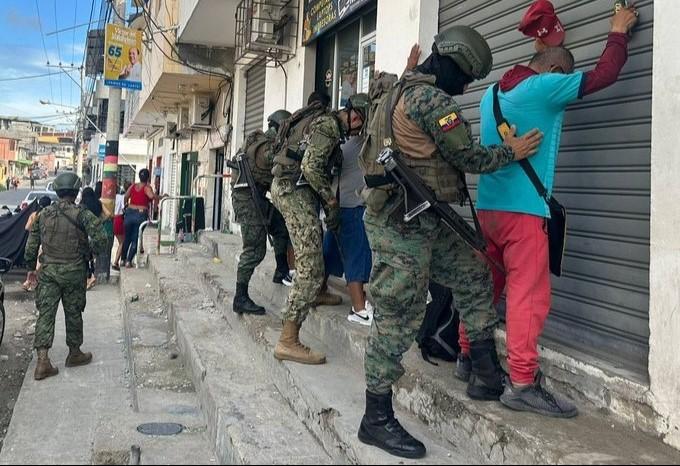
Drug Cartels in Ecuador: A Threat to Democratic Stability
In recent years, Ecuador has witnessed a disturbing escalation in violence and criminal activity, primarily fueled by the expanding presence of drug trafficking organizations within its territory. Positioned strategically between major cocaine-producing countries like Colombia and Peru, Ecuador has become a critical transit point for narcotics, turning it into a hotspot for cartel rivalries. This surge in illicit operations is not only destabilizing public security but also placing immense strain on the country’s democratic framework. This article examines how organized crime is reshaping Ecuador’s political environment, intensifying social divisions, and endangering citizen safety. As authorities endeavor to reestablish order and protect democratic principles, Ecuador’s experience highlights the profound consequences that cartel dominance can impose on governance across Latin America.
Cartel Expansion and Its Undermining Effect on Democratic Governance
The infiltration of drug cartels into Ecuadorian society poses a notable threat to the nation’s democratic institutions. These criminal networks have penetrated various levels of government and civil society, fostering an atmosphere marked by intimidation that suppresses active civic involvement. Their influence manifests through several critical challenges:
- Entrenched Political Corruption: Cartels frequently manipulate politicians and local officials to secure impunity and facilitate their operations.
- Targeted Violence Against Political Figures: Assassinations, kidnappings, and threats against opposition leaders have become increasingly prevalent.
- Heightened Social Fragmentation: Economic desperation drives some communities to align with cartels for survival, deepening societal divides.
Beyond escalating crime rates alone, these dynamics erode trust in democracy itself. Fear induced by cartel-related violence discourages voter turnout and community activism alike. Recent trends reveal:
- Diminished Electoral Participation: Many citizens express skepticism toward elections due to perceived candidate complicity with criminal groups.
- Eroded Institutional Capacity: Law enforcement agencies struggle under corruption pressures while judicial systems face delays or interference in prosecuting offenders.
- Civic Withdrawal: The threat of retaliation deters grassroots movements from challenging entrenched illicit powers.
Corruption Coupled with Violence: Twin Challenges Facing Governance
The convergence of systemic corruption with rampant violence presents an acute crisis for governance structures throughout Ecuador. Corrupt practices permeate multiple government branches—facilitating cartel activities while undermining openness efforts—thereby weakening public confidence in elected officials.
Simultaneously, violent confrontations among competing cartels over control of lucrative trafficking corridors exacerbate insecurity nationwide. According to recent data from the National Police Directorate (2023), homicide rates linked directly or indirectly to organized crime surged by nearly 30% between 2021 and 2023.
| Year | Total Homicides Reported | Documented Corruption Cases Involving Officials |
|---|---|---|
| 2019 | 2,100 | 5 |
| 2020 | 2,500 | 7 |
| 2021 < td >3 ,150 < td >11 | ||
| Name of Movement | Main Focus Area | Pivotal Accomplishment |
|---|---|---|
| “Redes Seguras” | ||
| “Juventud Activa” | ||
| “Vecinos Vigilantes” Strategic Policy Measures To Reinforce Democracy And Counteract Cartel Influence
Addressing the multifaceted challenges posed by drug cartels demands coordinated policy interventions targeting institutional weaknesses alongside community empowerment initiatives:
|











