


The Cuba embargo represents one of the most enduring and contentious foreign policy measures in modern history, characterized by a complex interplay of geopolitical, economic, and ideological factors. Established in the early 1960s amidst the Cold War tensions, the embargo sought to isolate Cuba’s communist government, lead by Fidel Castro, and curb its influence in the Western Hemisphere. Over the decades, this policy has sparked intense debate not only in the United States and Cuba but also among international observers and analysts. Advocates argue that the embargo serves as a necessary means of holding the Cuban government accountable for its human rights record and undemocratic practices. Conversely,critics contend that the embargo has harmed the cuban people more than its intended targets,stifling economic growth and limiting access to essential goods and services. As negotiations and policy discussions evolve, the arguments for and against the embargo continue to shape the diplomatic relationship between the United States and Cuba, reflecting deeper ideological divides and the ongoing struggle between capitalism and communism. In this article, we will explore the pros and cons of the Cuba embargo, the past context surrounding it, and the broader implications for trade and international relations.
Cuba Embargo: Understanding Its Historical Context and Implications

The embargo imposed on Cuba by the United States has its roots in a complex historical narrative that dates back to the mid-20th century. Following the 1959 Cuban revolution,which brought Fidel Castro and his communist regime to power,U.S.-Cuban relations deteriorated significantly. The nationalization of U.S. properties and businesses in Cuba led to rising tensions, culminating in the imposition of an embargo in 1960, which aimed to isolate the Cuban government economically and politically. This initial measure was further tightened in subsequent years, notably after the Cuban missile crisis in 1962, solidifying the United States’ stance against what was perceived as a direct threat of communism just 90 miles off the Florida coast.
This embargo has since evolved into a multifaceted issue with various pros and cons. Supporters of the embargo argue that it is indeed a necessary tool to pressure the Castro regime to improve human rights conditions and move toward democratic reforms. By restricting economic access, they claim, it has deterred the spread of communism beyond Cuba’s borders. conversely, opponents argue that the embargo has failed to achieve its goals and has only served to punish the Cuban people, exacerbating poverty and limiting access to essential goods like food and medicine. They also contend that such punitive measures damage U.S. credibility internationally, portraying the country as an aggressor in foreign affairs.
The implications of the embargo extend beyond just economic impacts; they affect cultural exchange, tourism, and diplomatic relations. The U.S. trade restrictions have led to a notable isolation of Cuba from both the Western world and neighboring Latin American countries. Despite some efforts at negotiation and thawing relations—most notably during President Obama’s governance, when certain restrictions where lifted—the essential policies have largely remained intact, reflecting a bipartisan consensus on the need to maintain pressure against the Cuban government. Ending or modifying the embargo continues to be a topic of heated debate in U.S. politics, with various stakeholders presenting their arguments for either maintaining the status quo or pursuing a new approach.
| Aspect | Impact |
|---|---|
| Economy | stunted growth, reliance on limited sources for goods |
| Human Rights | Debate over effectiveness of sanctions in improving conditions |
| Cultural Exchange | Restricted interactions, limited access to details |
| Diplomatic Relations | Strained U.S.-Latin America relations, ongoing international scrutiny |
The Pros and Cons of the Cuba embargo: Analyzing Economic and Political Effects
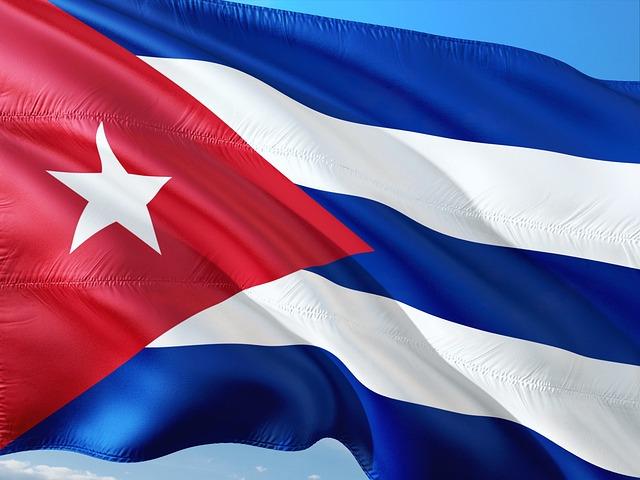
The cuba embargo has been a point of contention as its implementation in 1960, with proponents and opponents presenting compelling arguments on its economic and political impact. On one side, supporters argue that the embargo has effectively pressured the Cuban government to reform its policies and respect human rights. By limiting trade and financial interactions,it aims to weaken the Cuban regime and prevent the spread of communism. Additionally, advocates assert that the embargo has safeguarded U.S. national security interests by curbing Cuba’s alliances with other nations antagonistic to the United States.
However, the arguments against the embargo highlight significant drawbacks that affect not just the Cuban government but also its population. Economic hardships resulting from the embargo have severely limited the Cuban economy, leading to shortages of essential goods, healthcare supplies, and even basic food items. Critics point out that the embargo often harms ordinary citizens more than the intended political targets. The following points summarize key concerns:
- Humanitarian Crisis: Prolonged restrictions have contributed to dire living conditions for many Cubans.
- Economic Isolation: The lack of foreign investment and trade has stifled economic growth and innovation.
- diplomatic Tensions: The embargo has fueled resentment against the U.S. in Latin America and beyond, complicating international relations.
The debate surrounding the embargo is intricately linked to broader discussions about socialism, democracy, and human rights. Some analysts argue that lifting the embargo might open avenues for engagement and reform within Cuba, possibly fostering a more open society. On the other hand, many remain staunchly in favor of maintaining the embargo until there are verifiable improvements in Cuba’s political landscape.The following table outlines contrasting views on the embargo:
| Proponents | Opponents |
|---|---|
| Supports U.S. national security | Harms innocent civilians |
| Promotes human rights advocacy | obstructs economic development |
| Maintains pressure for governmental change | Limits potential diplomatic relations |
Debating the Cuba Embargo: Perspectives from Both the United States and Cuba

The debate surrounding the Cuba embargo is deeply polarized, with sharp contrasts in perspectives from both the United States and Cuba, shaped by historical, political, and economic contexts. Advocates of the embargo in the U.S. assert that it serves as a vital tool for promoting democracy and human rights in Cuba. They argue that without the embargo, the Cuban regime would retain the ability to suppress dissent and escape accountability for its actions. Key arguments for the embargo include:
- Support for Democratic movements: The embargo is viewed as a pressure mechanism to encourage the emergence of democratic governance in Cuba.
- human Rights Advocacy: Proponents claim that the embargo is necessary to limit the resources available to the Cuban government, which they view as oppressive.
- Nuclear Concerns: Some believe that an open trade relationship could led to increased military capabilities for Cuba, posing a threat to U.S.national security.
Conversely, voices from Cuba and other critics of the embargo argue that it inflicts severe economic hardship on the Cuban populace and hinders the population’s access to essential goods and services. They contend that the embargo is an outdated policy that fails to recognize the socio-political evolution within Cuba and instead harms ordinary citizens. Key arguments against the embargo include:
- Humanitarian Impact: The Cuban economy suffers from limited access to food, medicine, and other necessities because of the embargo.
- Diplomatic Isolation: Critics claim the embargo isolates the U.S. diplomatically and diminishes its ability to influence change in Cuba through engagement.
- Economic Inefficiency: Many experts point out that prolonged sanctions often lead to economic inefficiencies and entrenchment of the current regime rather than its downfall.
As the conversation continues, several forms of economic interaction and diplomacy have been debated, with some calling for a reevaluation of the embargo to foster a more constructive bilateral relationship. Below is a simple table summarizing the main arguments from both sides:
| Pro Embargo Arguments | Against Embargo Arguments |
|---|---|
| Encourages democracy | Hurts ordinary citizens |
| Promotes human rights | Limits economic development |
| Protects U.S. security interests | Inhibits diplomatic relations |
Communism and Trade: The role of ideology in Shaping the Embargo

The embargo on Cuba serves not only as a tool of political and economic control but also reflects the United States’ ideological stance against communism. Established in the early 1960s, the embargo was rooted in a profound distrust of the communist regime led by Fidel Castro. The U.S. government’s objective was to isolate Cuba, economically and diplomatically, hoping that such pressure would lead to a shift in governance. This ideological underpinning has as defined U.S.-Cuba relations and shaped perceptions within both nations and beyond.
Moreover, the ideological battle between capitalism and communism has influenced various aspects of trade strategy. The embargo has led to significant changes in Cuba’s trade partnerships and economic strategies:
- Economic Isolation: The embargo curtailed Cuba’s access to american markets, forcing the island to forge alliances with other nations, particularly within the Soviet bloc.
- Strategic Alliances: Cuba has sought to bolster trade relationships with countries such as China and Venezuela to mitigate the effects of U.S. sanctions.
- Dual Economy: The regime has created a system where state-controlled enterprises exist alongside limited private initiatives, showcasing its attempts to adjust under external pressures.
the ideological implications continue to influence discussions about the future of trade with Cuba. Opponents of the embargo argue that it is an outdated policy that has failed to achieve its goals, suggesting instead that open trade could foster positive change in governance. Proponents maintain that engaging with a communist regime risks legitimizing its practices and ideals. This ideological divide underscores the complexities within the discourse surrounding the embargo, revealing how perceptions of communism continue to impact international relations and trade policies.
Future Considerations: Recommendations for Reforming U.S.-Cuba Relations
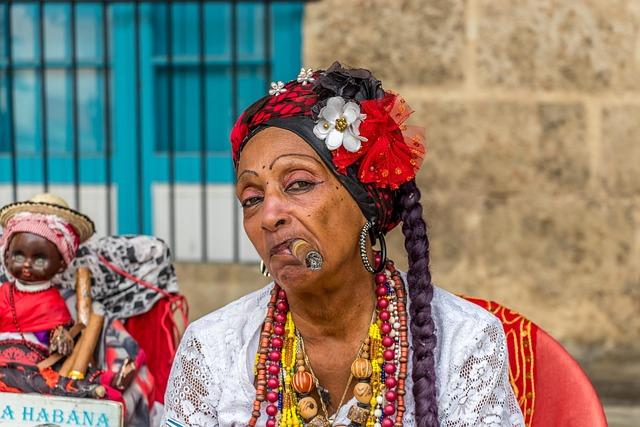
As the dynamics of global politics continue to evolve, it is indeed essential for the United States to reassess its approach to Cuba. Future reforms in U.S.-Cuba relations should centre on fostering diplomatic engagement, enhancing economic cooperation, and addressing human rights concerns constructively. A strategic shift can facilitate a more stable and productive relationship that benefits both nations.
To promote meaningful dialog, the following recommendations are proposed:
- Establish a Bilateral Dialogue Framework: Open a consistent channel for dialogue between the U.S. and Cuban governments that includes discussions on trade, human rights, and cultural exchange.
- encourage Economic Partnerships: Support private-sector initiatives that allow American and Cuban businesses to collaborate, providing mutual benefits while gradually dismantling outdated embargo restrictions.
- Support Civil Society Organizations: Increase funding for self-reliant civil society groups within Cuba to promote social and political discourse without direct interference.
- Implement Gradual Sanction Relief: Carefully relax specific sanctions contingent on concrete steps taken by the Cuban government to address human rights issues and economic reforms.
Furthermore, it is crucial to create frameworks that ensure sustainable cooperation. A potential model could be a U.S.-Cuba Economic Cooperation Table, designed to address trade, health, education, and climate change:
| Area of Cooperation | Potential Benefits |
|---|---|
| Trade | Enhanced economic growth and increased access to goods. |
| Health Care | Collaboration on public health initiatives and access to medicines. |
| Education | Exchange programs that foster understanding and innovation. |
| Climate Change | Joint efforts in addressing shared environmental challenges. |
by embracing a multifaceted strategy that includes both diplomatic and economic avenues, the U.S.can pave the way for a transformed relationship with cuba. This approach not only holds the potential for enhanced bilateral ties but also serves to improve the lives of citizens in both countries.
The Path Forward: Balancing human Rights, Trade, and Diplomatic Engagement

The complex interplay between human rights,trade,and diplomatic engagement in the context of Cuba calls for a nuanced approach.Increasingly, discussions are pivoting towards the necessity of integrating *human rights considerations* into trade policies.This integration is not just a moral obligation; it reflects the changing dynamics of global trade relations where ethical standards significantly influence economic partnerships.
- Promoting Human Rights: The focus on human rights can foster positive changes within Cuba, encouraging reforms and greater freedoms.
- Encouraging Economic Engagement: Reducing sanctions could lead to enhanced trade relations, providing economic opportunities that may benefit citizens directly.
- International Relations: Engagement rather than isolation could strengthen diplomatic ties, reducing tensions and opening avenues for regional stability.
However, the path forward is fraught with challenges.Critics argue that easing trade restrictions might inadvertently empower the Cuban government, undermining genuine movements for reform. Because of this very reason, a carefully calibrated strategy is crucial, one that balances economic benefits with a steadfast commitment to promoting democratic values. This could include the implementation of a framework that ties trade agreements to measurable improvements in human rights conditions.
| Considerations | Potential Outcomes |
|---|---|
| Short-term Economic Impact | Increased trade can stimulate growth but risks empowering the regime. |
| Long-term Political Reforms | Sustained engagement may encourage gradual reforms if tied to international expectations. |
| Global Reputation | Cuba’s adherence to human rights could improve international standing and relations. |
ultimately, the focus must remain on sustainable growth that promotes *human rights* while navigating the realities of international trade. By leveraging diplomacy, the United States can pave a constructive path that respects Cuba’s sovereignty while advocating for essential reforms, creating a win-win scenario for both nations and their citizens.
Closing Remarks
the debate surrounding the Cuba embargo serves as a microcosm of the broader tensions between the united States and Cuba, tracing back to historical grievances and ideological divides. While proponents argue that the embargo serves as a necessary tool for promoting democracy and human rights within Cuba, critics assert that it predominantly harms the Cuban people and stifles economic growth. With both sides presenting compelling arguments, the discussion reflects not only the complexities of U.S.-Cuba relations but also the challenges of foreign policy in an increasingly interconnected world. As dialogue surrounding trade, diplomacy, and human rights continues to evolve, the future of the embargo remains uncertain, leaving it one of the most contentious and debated topics in contemporary geopolitics. The ongoing discourse signals that the implications of this policy extend beyond borders, echoing in the lives of everyday Cubans and Americans alike, and highlighting the intricate ties that unify and divide nations.











