

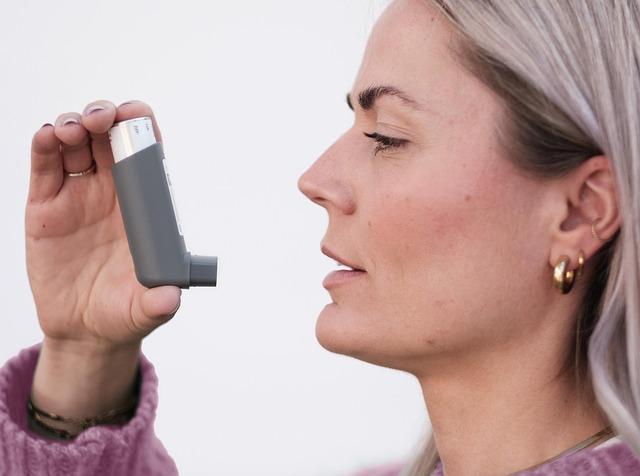
In an era where public health is at the forefront of global concerns, understanding respiratory illnesses is more crucial than ever. The Centers for Disease Control and Prevention (CDC) has launched the respiratory Illnesses Data Channel, an innovative platform designed to provide timely and comprehensive insights into respiratory diseases that affect millions of individuals each year. This initiative not only aims to equip healthcare professionals, researchers, and policymakers with invaluable data but also seeks to raise public awareness about respiratory health issues, including the impacts of seasonal influenza, COVID-19, and other viral and bacterial infections. By aggregating and analyzing data from various sources, the CDC hopes to illuminate trends, inform prevention strategies, and ultimately contribute to better health outcomes for communities across the nation. In this article, we delve into the features of the Respiratory Illnesses Data Channel, its significance in public health surveillance, and how it can empower individuals and organizations to combat respiratory diseases more effectively.
Understanding the CDC’s Respiratory Illnesses Data Channel
The CDC’s Respiratory Illnesses Data Channel serves as a vital resource for monitoring and analyzing trends related to respiratory diseases across the United States. By compiling data from various sources, this channel offers insight into the incidence and prevalence of conditions such as influenza, COVID-19, and other respiratory viruses. Understanding this data is crucial for public health officials, researchers, and the general public alike, who rely on accurate information to make informed health decisions.
Key features of the CDC’s respiratory Illnesses data Channel include:
- Real-time Data Updates: The channel provides timely information on respiratory illness outbreaks,allowing for quick responses and instigating necessary public health measures.
- Comprehensive Reports: Detailed analysis and summaries of respiratory illness statistics help trace seasonal patterns and forecast potential surges in cases.
- Visual Data Portrayal: Interactive graphs and charts help users easily interpret the data and understand trends over time.
The CDC also presents respiratory illness data through clear and accessible tables,fostering clarity and promoting data utilization among various stakeholders. Below is a sample representation of respiratory illnesses reported:
| Year | Total Cases | Hospitalizations | Deaths |
|---|---|---|---|
| 2020 | 1,200,000 | 300,000 | 50,000 |
| 2021 | 800,000 | 200,000 | 40,000 |
| 2022 | 1,500,000 | 400,000 | 65,000 |
This structured approach not only facilitates the understanding of respiratory illnesses but also emphasizes the importance of using data in combating these health challenges. By harnessing the power of statistics, stakeholders can better prepare for and respond to respiratory disease outbreaks, ultimately enhancing community resilience and public health outcomes.

Analyzing Trends and Patterns in Respiratory Disease Incidence
Examining trends in respiratory disease incidence allows researchers and public health officials to identify potential outbreaks, evaluate the effectiveness of preventive measures, and allocate resources efficiently.Over the years, we have witnessed fluctuations in respiratory illness rates, influenced by factors such as seasonal variations, environmental changes, and vaccination coverage. Key insights into these trends can inform both policy and practice in the healthcare sector.
Recent data indicates a important increase in cases during specific months, which correlates with the winter season when respiratory viruses such as influenza and respiratory syncytial virus (RSV) are most prevalent. Additionally, the emergence of novel pathogens has contributed to unexpected spikes in incidence. Findings from the CDC’s extensive database reveal:
- Increased incidence rates in urban areas due to higher pollution levels, which exacerbate pre-existing conditions.
- Rising cases among vulnerable populations such as children and the elderly, stressing the importance of targeted vaccination campaigns.
- Data correlation with socio-economic factors indicating a disparity in healthcare access related to respiratory diseases.
| Year | Incidence Rate (per 100,000) | Key Contributing Factors |
|---|---|---|
| 2019 | 150 | High pollution levels, seasonal flu outbreak |
| 2020 | 200 | COVID-19 pandemic, limited healthcare access |
| 2021 | 180 | Resurgence of RSV, increased awareness |
by analyzing these trends, we can better understand the ongoing challenges faced in managing respiratory diseases. Continuous monitoring of these patterns not only helps in immediate response strategies but also fosters long-term solutions aimed at reducing the overall burden of respiratory illnesses across communities.

The importance of Timely Data for public Health Responses
In the realm of public health, the ability to rapidly collect and analyze data related to respiratory illnesses is crucial in managing outbreaks and informing health policies. Timely data allows public health officials to identify trends, allocate resources efficiently, and implement interventions that can mitigate the spread of infections. Without prompt information, responses might potentially be delayed, leading to unnecessary complications and increased morbidity rates.
Key aspects of why timely data is essential include:
- Trend Analysis: Rapid data reporting enables health officials to recognise unusual spikes in respiratory illnesses, which can indicate an emerging outbreak.
- Resource Allocation: with real-time insights, public health agencies can deploy resources such as vaccines and medical supplies where they are most needed.
- communication Strategies: Immediate access to data fosters clear and effective communication with the public, fostering trust and compliance with health advisories.
To illustrate the impact of timely data, consider the following table showcasing the differences in response times and outcomes from recent respiratory illness outbreaks:
| Outbreak | Response Time (Days) | Morbidity Rate (%) |
|---|---|---|
| Outbreak A | 3 | 5 |
| Outbreak B | 7 | 15 |
| Outbreak C | 10 | 30 |
The data clearly illustrates how shorter response times correlate with lower morbidity rates. The need for swift access to accurate information cannot be overstated, as it enables a proactive rather than reactive approach to managing public health challenges.

Evaluating the Impact of Environmental Factors on Respiratory Health
The interplay between environmental factors and respiratory health has garnered significant attention, particularly in light of the rising prevalence of respiratory illnesses. Studies have identified air quality, temperature fluctuations, and relative humidity as critical determinants influencing lung function and overall respiratory well-being. As an example, exposure to particulate matter and pollutants can precipitate respiratory conditions such as asthma, chronic obstructive pulmonary disease (COPD), and even lung cancer. The acute responses to these environmental pollutants necessitate a deeper understanding of their long-term implications on public health.
Recent data from the Centers for Disease Control and Prevention highlights the correlation between localized air quality indices and respiratory health outcomes. The following table illustrates the categories of pollutants and their potential respiratory effects:
| Pollutant | Potential Effects |
|---|---|
| Particulate Matter (PM2.5) |
|
| Nitrogen Dioxide (NO2) |
|
| Ozone (O3) |
|
Furthermore, temperature changes, particularly extreme heat, can exacerbate respiratory conditions. Higher temperatures may lead to increased ozone formation at ground level, resulting in further respiratory distress among vulnerable populations. Humidity,another critical factor,can either worsen respiratory symptoms or improve them depending on the individual condition and exposure duration. These interactions highlight the complexity of environmental influences on respiratory health, urging stakeholders to implement public health strategies aimed at mitigating exposure to identified risk factors.

recommended Strategies for Mitigating Respiratory illness Risks
To effectively reduce the risks associated with respiratory illnesses, adopting a multi-faceted approach is crucial.The following strategies can definitely help safeguard both individual and public health:
- Vaccination: Staying up-to-date with vaccinations, such as the flu vaccine and pneumococcal vaccine, can significantly reduce the incidence of respiratory infections.
- Good Hygiene Practices: Regular hand washing with soap and water, or using hand sanitizer, can minimize the spread of pathogens.
- Healthy Lifestyle Choices: Maintaining a balanced diet, engaging in regular physical activity, and ensuring adequate sleep are essential for bolstering the immune system.
- Avoiding Tobacco Smoke: Steering clear of tobacco products and secondhand smoke is vital, as it can severely compromise lung health.
In addition to individual actions, community efforts play an essential role in mitigating risks. Public health initiatives, such as:
- Promoting Air Quality Standards: Advocating for stricter regulations on emissions from vehicles and industries can lead to cleaner air.
- Public Awareness Campaigns: Engaging communities through educational programs about respiratory health can empower individuals to take action.
- Access to Healthcare: Ensuring equitable access to healthcare services for all, including regular screenings and timely treatment for respiratory illnesses, is essential.
Implementing these strategies can create a supportive surroundings that not only protects individual health but also strengthens community resilience against respiratory illnesses.

Key Takeaways
the CDC’s Respiratory Illnesses Data Channel serves as a crucial resource for understanding the complex landscape of respiratory health in the United States. By providing real-time data and analytical insights, this channel empowers public health professionals, researchers, and the general public to make informed decisions regarding prevention and treatment strategies. As respiratory illnesses continue to pose significant challenges, particularly in the wake of the COVID-19 pandemic, the need for accessible and reliable information has never been greater. Staying informed through the CDC’s efforts not only enhances individual awareness but also fosters community resilience in the face of ongoing respiratory health challenges. As we continue to navigate this evolving health landscape, the importance of data-driven strategies and public engagement remains clearer than ever.











