
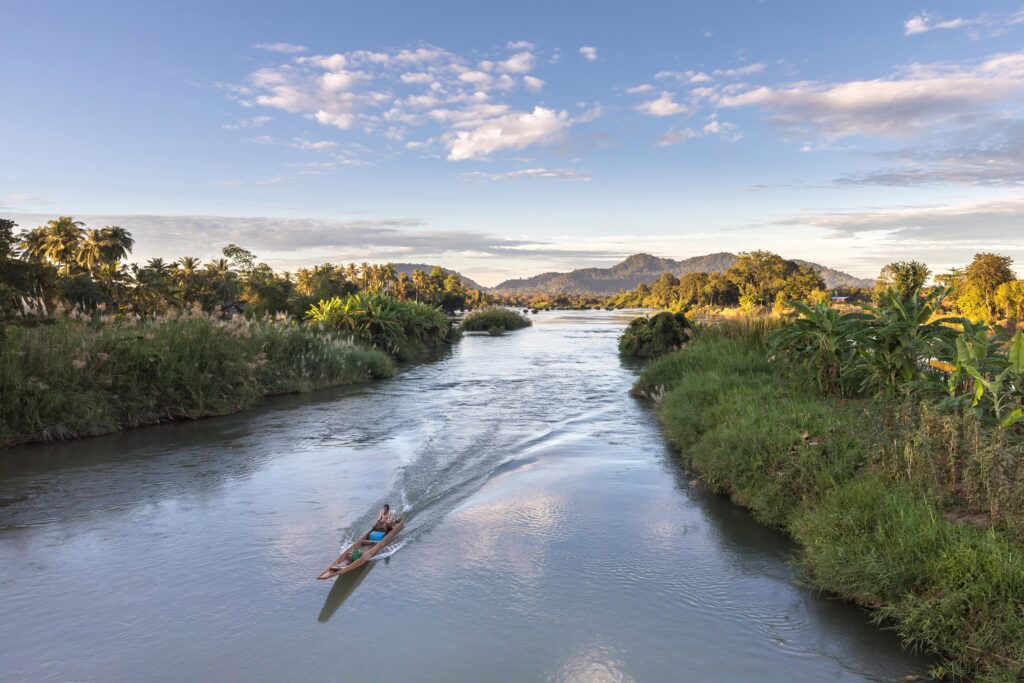
Flowing silently through diverse landscapes, rivers are the lifeblood of ecosystems, economies, and communities. “A River Runs Through Us,” an initiative by The Nature Conservancy, highlights the critical role these waterways play in sustaining both natural habitats and human well-being. This article delves into the efforts undertaken by the association to preserve and restore river systems, showcasing how collaborative conservation strategies are vital in addressing challenges like pollution, habitat loss, and climate change.By exploring the interconnectedness of rivers and the peopel who depend on them, we gain insight into the urgent need for sustainable stewardship of these precious resources.
The Vital Role of Rivers in Ecosystem Health
Rivers serve as the lifeblood of natural landscapes, nourishing countless species and maintaining biodiversity through their dynamic flow and nutrient cycles. They function as critical corridors connecting disparate habitats,enabling wildlife migration and genetic exchange.Beyond wildlife, rivers bolster soil fertility and support vegetation growth, acting as natural filters that improve water quality and protect against erosion. The interdependence between aquatic and terrestrial ecosystems means that disruptions to river health can send shockwaves through entire landscapes, threatening plants, animals, and human communities alike.
Key contributions of rivers to ecosystem health include:
- Providing habitat for fish, amphibians, and invertebrates essential to food webs
- Supporting wetland areas that act as natural water purifiers and flood regulators
- Regulating climate by influencing local humidity and temperature patterns
- Delivering sediment and nutrients downstream to sustain agricultural lands
| River function | Ecological benefit | Example Species Supported |
|---|---|---|
| Migration Corridor | Genetic Diversity | Salmon, Otters |
| Floodplain Nourishment | Soil Fertility | Willows, Frogs |
| Water Filtration | Improved Water Quality | Freshwater Mussels, Algae |
| Habitat Creation | Species Richness | Beavers, Kingfishers |
Challenges Facing River Conservation Today
Rivers today face a complex array of pressures that threaten their health and the biodiversity they support. Urban development and industrial expansion continue to encroach upon riverbanks, disrupting natural flow patterns and increasing pollution levels. Agricultural runoff,laden with fertilizers and pesticides,seeps into waterways,causing eutrophication that depletes oxygen and endangers aquatic life. Climate change exacerbates these impacts by altering precipitation patterns and increasing the frequency of extreme weather events, which can lead to both devastating floods and prolonged droughts.
Effective conservation efforts must navigate challenges such as:
- Fragmented habitats: Dams and water diversions interrupt migration routes, isolating fish populations.
- Invasive species: Non-native plants and animals frequently enough outcompete indigenous species, reducing biodiversity.
- Limited funding: Many river restoration projects struggle to secure consistent financial support.
| Challenge | Impact on River Ecosystem | Conservation approach |
|---|---|---|
| pollution | Contaminated water and habitat degradation | Implementation of buffer zones and stricter regulations |
| dams | Disrupted fish migrations and sediment flow | Fish ladders and dam removal initiatives |
| Climate Change | Altered hydrological cycles and habitat loss | Adaptive management and ecosystem resilience building |
Innovative Strategies Employed by The Nature Conservancy
The Nature Conservancy harnesses cutting-edge approaches to protect and restore vital river ecosystems on a global scale. Central to their success is the integration of science-driven watershed management, which involves mapping water flow and biodiversity using advanced satellite imagery and AI analytics. These tools empower local communities and policymakers to make informed decisions that balance ecological health with human needs. Additionally,they are pioneering the concept of “Natural Infrastructure”,such as restoring floodplains and wetlands to act as buffers against extreme weather events.
In parallel with technological innovations, collaboration remains a cornerstone of their strategy. The Conservancy works hand-in-hand with indigenous groups, farmers, and urban planners to design solutions that are both sustainable and culturally relevant. This partnership-driven model has yielded a range of initiatives:
- Community-led river clean-up and monitoring programs
- Financial incentives for sustainable land use practices
- Implementation of fish passage projects to revive migratory species
- Development of public-private conservation partnerships
| Strategy | Key Benefit | Impact Area | |||||||||||||||
|---|---|---|---|---|---|---|---|---|---|---|---|---|---|---|---|---|---|
| Natural Infrastructure | Flood mitigation & habitat restoration | Wetlands, floodplains | |||||||||||||||
| Science-driven watershed mapping | Data-informed water management | Rivers & tributaries
The Nature Conservancy harnesses cutting-edge approaches to protect and restore vital river ecosystems on a global scale. Central to their success is the integration of science-driven watershed management, which involves mapping water flow and biodiversity using advanced satellite imagery and AI analytics. These tools empower local communities and policymakers to make informed decisions that balance ecological health with human needs. Additionally, they are pioneering the concept of “Natural Infrastructure”, such as restoring floodplains and wetlands to act as buffers against extreme weather events. In parallel with technological innovations, collaboration remains a cornerstone of their strategy. The conservancy works hand-in-hand with indigenous groups, farmers, and urban planners to design solutions that are both sustainable and culturally relevant. This partnership-driven model has yielded a range of initiatives:
| Strategy | Key Benefit | Impact Area | If you want, I can help you with more details on each strategy or assist in writing a summary or presentation based on this information. Community Actions to Support River Restoration EffortsLocal communities play a pivotal role in breathing life back into our rivers by actively engaging in hands-on restoration projects. From organizing regular clean-up drives along riverbanks to planting native vegetation that stabilizes soil and provides vital habitats, these grassroots efforts help rebuild ecosystems piece by piece. Community workshops and educational programs also empower residents to understand the importance of river health, fostering a culture of stewardship and collective responsibility that extends beyond individual actions. Collaborative partnerships between citizens, environmental organizations, and local authorities amplify the impact of restoration initiatives. Below is a snapshot of common community-driven actions and their benefits:
To ConcludeIn preserving the rivers that flow through our landscapes and communities, The Nature Conservancy underscores the vital connection between healthy waterways and thriving ecosystems. Their ongoing efforts demonstrate how protecting these natural lifelines not only safeguards biodiversity but also supports sustainable water resources for generations to come.As we continue to face environmental challenges, the work highlighted in “A River Runs Through Us” serves as a powerful reminder of the shared responsibility to steward our rivers with care and commitment. |