

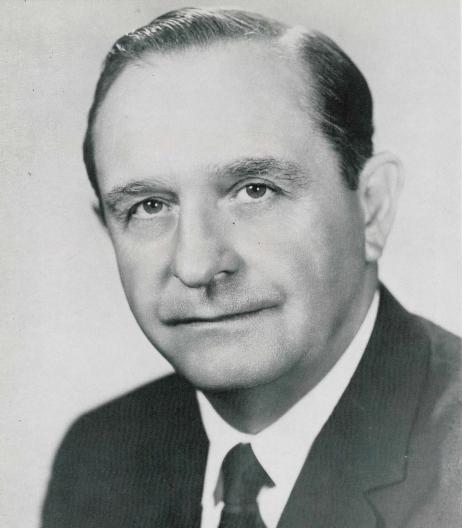
Orval Eugene Faubus: A Defining and Divisive Leader in Arkansas’s Desegregation Era
Orval Eugene Faubus, who served as Arkansas’s 36th governor beginning in 1955, became a central and contentious figure during one of the most volatile periods in America’s civil rights history. Initially recognized for his political savvy and appeal to everyday voters, Faubus is most remembered for his vehement opposition to the integration of Little Rock Central High School in 1957. His decision to deploy the Arkansas National Guard to block nine African American students from entering the school directly challenged federal desegregation orders, igniting a nationwide crisis that underscored the fierce conflict between state sovereignty and federal civil rights enforcement. This episode not only intensified racial tensions but also marked a critical juncture in America’s ongoing struggle against institutionalized racism.
This article examines Faubus’s complex motivations, explores how his policies influenced both local and national dynamics, and assesses the lasting effects of his governance on civil rights progress across the United States.
Faubus and the Little Rock Desegregation Standoff: A Clash of Powers
During Faubus’s governorship,Arkansas became emblematic of Southern resistance to federally mandated desegregation following the landmark Supreme Court ruling in Brown v. Board of Education (1954), which declared racial segregation unconstitutional. The defining moment came when nine African American students—later known as the “Little Rock Nine”—attempted to enroll at Central High School in 1957. In response, Governor Faubus ordered state troops to prevent their entry under claims of preserving public order.This defiant act provoked President Dwight D. Eisenhower’s unprecedented intervention; he dispatched federal troops from the 101st Airborne Division to escort these students safely into school grounds. The confrontation highlighted not only entrenched racial animosities but also raised profound questions about states’ rights versus federal authority—a debate that reverberated throughout subsequent civil rights battles nationwide.
Faubus’s stance was shaped by multiple factors: political calculations aimed at appeasing segregationist constituents; pressure from local white communities resistant to change; and prevailing societal norms steeped in racial discrimination prevalent throughout much of mid-20th century Southern America.
Arkansas Political Climate Under Faubus’s Leadership
From 1955 until 1967, Governor Faubus navigated an intensely polarized political environment where calls for social reform clashed with longstanding traditions supporting segregation. While publicly advocating for “law and order,” he together sought ways to maintain racial separation within public institutions—a position that resonated strongly with conservative voters wary of rapid social change.
Despite occasional efforts by his administration toward educational improvements unrelated directly to race relations—such as expanding rural schooling infrastructure—the overriding theme remained staunch opposition against integration mandates imposed by Washington D.C., reflecting broader regional resistance across much of the Deep South during this era.
Key characteristics defining this period include:
- Commitment to Segregation: Policies explicitly designed or enforced by Faubus aimed at preserving racially divided schools.
- Federal-State Conflict: Repeated clashes between Arkansas officials under Faubus’s leadership and federal authorities enforcing civil rights legislation.
- Civil Rights Mobilization: Growing activism locally through organizations like NAACP increased pressure on state governments resisting desegregation.
| Year | Event | Description | |||||||||
|---|---|---|---|---|---|---|---|---|---|---|---|
| 1954 | Brown v. Board of Education | The Supreme Court declares segregated public schools unconstitutional. | |||||||||
| 1957 | The Little Rock Nine Crisis | Faubus orders National Guard troops blocking Black students’ entry into Central High School. | |||||||||
| 1960 | Civil Rights Act Proposal (Civil Rights Act)< td >Federal legislation introduced aiming at ending segregation across public facilities.< / td > < / tr > < / tbody > < / table > Public Reaction & Media Influence During The Little Rock CrisisThe attempt by nine courageous African American teenagers seeking admission into an all-white high school sparked intense reactions both locally within Arkansas communities—and nationally across media platforms—that vividly exposed America’s deep divisions over race relations during this period. Many white residents vocally opposed integration efforts outnumbering supporters who viewed these young pioneers as symbols advancing justice amid systemic oppression.The media played an instrumental role shaping perceptions: televised footage captured hostile crowds confronting these students alongside armed guardsmen enforcing segregationist policies.This visual documentation galvanized widespread outrage among viewers nationwide while amplifying calls for government action against discriminatory practices still rampant decades after emancipation. Major news organizations such as CNN (in contemporary retrospectives), The New York Times, and NBC extensively covered developments surrounding Central High School — highlighting personal stories behind headlines — thereby humanizing those involved while framing broader implications regarding constitutional law enforcement versus localized defiance.
|











