

Title: Enhancing Health Systems in Saint Vincent and the Grenadines: A Look at the Pan American Health Association’s Contributions
In the heart of the Caribbean, Saint Vincent and the Grenadines stands as a vibrant archipelago known for its lush landscapes and rich cultural heritage. However, like many small island nations, it faces distinctive health challenges that require tailored solutions and robust support systems. central to thes efforts is the Pan American Health Organization (PAHO), a specialized agency of the World Health Organization dedicated to improving health across the Americas. As Saint Vincent and the Grenadines navigates the complexities of public health, PAHO’s strategic interventions play a vital role in strengthening the nation’s healthcare capabilities, enhancing disease prevention, and promoting health equity among its diverse population. This article delves into the collaborative initiatives and programs championed by PAHO in Saint Vincent and the Grenadines, highlighting their impact on improving health outcomes and fostering resilience in the face of ongoing health threats.
Saint Vincent and the Grenadines Health Overview and Challenges


Saint Vincent and the Grenadines (SVG) faces a multitude of health challenges that are influenced by both socioeconomic factors and environmental issues. As a small island developing state,the country grapples with limited resources and infrastructure,which can impede effective healthcare delivery. despite these challenges, the nation has made notable strides in improving health outcomes, but the road ahead remains fraught with obstacles.
Key Health Challenges:
- Non-communicable Diseases (NCDs): The burden of ncds such as diabetes, hypertension, and cardiovascular diseases is significant, driven by lifestyle factors, including diet and physical inactivity.
- Infectious Diseases: While efforts to combat diseases like HIV/AIDS and tuberculosis have seen progress, ongoing surveillance and treatment are necessary in light of evolving health threats.
- Access to Care: Limited healthcare facilities, especially in remote areas, hinder access to medical services, creating disparities in health outcomes.
- Mental Health: Mental health awareness is growing, but stigma and resource scarcity continue to impede access to necessary services.
To address these challenges, the government of Saint Vincent and the Grenadines is working closely with international partners, including the Pan American Health Organization (PAHO).Initiatives focus on strengthening health systems, improving community health education, and enhancing preventative health measures. Collaborative strategies aim to foster a holistic approach to health that encompasses both physical and mental well-being.
| Health Indicator | Current Status |
|---|---|
| Maternal Mortality Rate | 58 deaths per 100,000 live births |
| Childhood Immunization Rate | 90% coverage |
| Prevalence of diabetes | 12% of the adult population |
| HIV Prevalence | 1.2% of the adult population |
The Role of the Pan american Health Organization in Regional Health Initiatives

The Pan American Health Organization (PAHO) plays a pivotal role in advancing healthcare across the Caribbean region, with special emphasis on nations like Saint vincent and the Grenadines. By fostering collaboration among member states, PAHO supports a wide range of health initiatives aimed at enhancing the quality of life and addressing critical public health challenges. The organization’s extensive approach helps unify efforts in disease prevention, health promotion, and access to essential health services.
One of PAHO’s key contributions is its focus on strengthening health systems through technical assistance and capacity building. this support includes:
- Developing robust healthcare policies and frameworks
- Enhancing surveillance systems for infectious and non-communicable diseases
- Training healthcare professionals to improve service delivery
Additionally, the organization champions community-based programs that prioritize health equity and inclusion. By targeting social determinants of health, PAHO ensures that vulnerable populations receive the care they need. Recent initiatives involve:
- Promoting maternal and child health through educational outreach
- Addressing mental health issues within local communities
- Implementing vaccination drives to combat endemic diseases
| Initiative | Description | Impact |
|---|---|---|
| Maternal Health Programs | Focus on prenatal care and skilled birth attendance. | Reduction in maternal and infant mortality rates. |
| Vaccination Coverage | Campaigns to increase immunization rates across regions. | Protection against infectious diseases. |
| Mental Health Awareness | Community education and support services. | Improved mental health outcomes and reduced stigma. |
Through these multifaceted programs and initiatives, PAHO stands as a vital partner in the enhancement of public health in Saint Vincent and the Grenadines, demonstrating a commitment not only to immediate health needs but also to sustainable improvements in the health sector.
Addressing Public Health Priorities: Key Areas for Saint vincent and the Grenadines
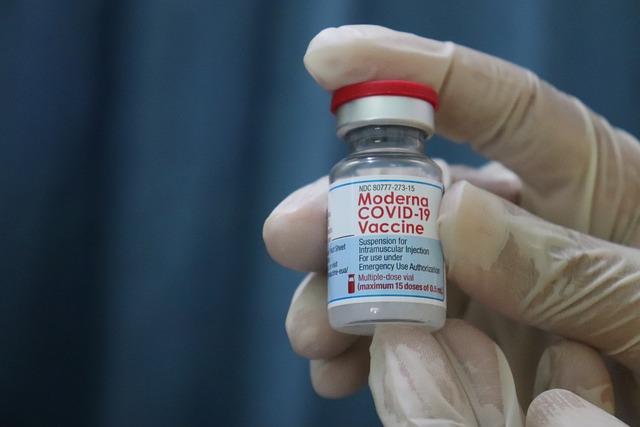
The health landscape in Saint Vincent and the Grenadines is marked by a range of public health challenges that necessitate immediate attention. Focused efforts must be directed towards improving access to quality healthcare, especially for marginalized populations. This includes initiatives to enhance maternal and child health services and improve the management of non-communicable diseases such as diabetes and hypertension,which disproportionately affect the local population.
In addition, environmental health must be a priority, particularly in addressing the impact of climate change on public health. The increasing incidence of vector-borne diseases, influenced by changing weather patterns, underscores the need for robust surveillance systems and health education campaigns aimed at preventing outbreaks. Key areas for improvement include:
- Vector Control Programs: enhancing measures to combat diseases such as dengue fever and chikungunya.
- Water Quality Management: Ensuring safe drinking water and sanitation facilities to prevent waterborne diseases.
- Nutrition Education: Promoting healthy eating habits to combat rising obesity rates.
Furthermore, the integration of mental health services into primary healthcare is essential. The increasing prevalence of stress,anxiety,and depression among the population calls for a holistic approach to health that considers mental well-being as pivotal to overall health. This can be facilitated by establishing community-based support systems and enhancing the capacity of healthcare providers to address mental health issues.
| Public Health Priority | Key Interventions |
|---|---|
| Maternal and Child Health | Improved prenatal care and nutritional support. |
| Non-Communicable Diseases | Health screenings and disease management programs. |
| Climate Change Impact | Enhanced disease surveillance and public education. |
| Mental Health | Community support groups and training for healthcare providers. |
Strategic Recommendations for Strengthening Healthcare Systems


To enhance the resilience and effectiveness of healthcare systems in Saint Vincent and the Grenadines, several strategic initiatives should be prioritized. Improving health infrastructure is paramount; this includes upgrading existing facilities and investing in new technology to ensure that healthcare providers can deliver high-quality services. Additionally, expanding telehealth services can definitely help bridge gaps in access, especially for those in remote areas.
Another critical area for focus is workforce advancement. Training and retaining healthcare professionals is essential for maintaining service quality and addressing current shortages. Implementing continuous professional development programs will equip healthcare workers with the latest knowledge and skills,enabling them to adapt to evolving healthcare needs. Furthermore, fostering a supportive work environment is crucial for employee satisfaction and retention.
Collaboration among various sectors can substantially strengthen the healthcare system. Establishing partnerships between the government, non-profit organizations, and private entities can enhance resource sharing and innovation in healthcare delivery.Community engagement is also vital; involving local populations in health initiatives can enhance awareness and participation in preventive care.
| Strategic Area | Recommended Actions |
|---|---|
| Infrastructure | Upgrade facilities and invest in telehealth technology. |
| Workforce Development | Implement training and continuous education programs. |
| Collaboration | Form partnerships between various health stakeholders. |
| Community Engagement | Promote awareness and preventive health initiatives. |
Promoting Community Engagement in Health Programs

The role of community engagement in health programs cannot be overstated, especially in Saint Vincent and the Grenadines, where local participation is essential for the success of health initiatives.By actively involving community members in the planning and implementation stages, health programs can be tailored to better meet the actual needs of the population.This collaborative approach fosters a sense of ownership among residents, enhancing their commitment to public health initiatives.
Community engagement strategies may include:
- Workshops and Forums: Organizing interactive sessions that allow community members to voice their concerns and suggestions about health services.
- Partnerships with Local Organizations: Collaborating with NGOs and community groups to leverage their reach and establish trust within the community.
- Training and Capacity Building: Equipping local volunteers with the necessary skills to advocate for health programs and disseminate information effectively.
- Feedback Mechanisms: Implementing systems for community members to provide ongoing feedback about health services, ensuring adaptability and responsiveness.
To effectively assess the impact of community engagement, it is crucial to monitor and evaluate the progress of health programs continuously. The following table illustrates potential metrics for measuring community involvement:
| metric | Description |
|---|---|
| Participation Rate | Percentage of community members actively engaged in health programs. |
| Feedback Scores | Average ratings from community members on health service delivery. |
| Training Completion | Proportion of local volunteers who complete health advocacy training programs. |
| Health Outcomes | Improvements in specific health indicators as reported by the community. |
By employing these strategies and tracking the impact of community engagement, health programs can become more effective in addressing the unique challenges faced by the citizens of Saint Vincent and the Grenadines. Such a participatory approach not only promotes better health outcomes but also strengthens community resilience in the face of health crises.
Future Directions for Health Policy and Collaboration in the Caribbean


The landscape of health policy in the Caribbean is poised for transformation, driven by the imperative for improved health outcomes and regional collaboration. As countries like Saint Vincent and the Grenadines strive to bolster their healthcare systems, several key areas emerge as focal points for future initiatives:
- Intersectoral Collaboration: Strengthening partnerships between health and other sectors is essential. This includes collaboration with education, agriculture, and environmental agencies to address the social determinants of health.
- Telehealth expansion: Embracing technology to enhance access to healthcare services, particularly in rural areas, will be vital in reducing disparities and improving overall health outcomes.
- Investment in Mental Health: Acknowledging mental health as a critical component of overall well-being will lead to integrated services that support psychological resilience across communities.
- data-Driven Decision Making: Implementing robust health information systems will facilitate real-time data collection and analysis,empowering policymakers with insights to make informed decisions.
To support these initiatives, it is crucial for stakeholders to engage in meaningful dialog, ensuring that diverse voices contribute to the health policy framework. The establishment of regional platforms for sharing best practices will foster collaborative learning and innovation. Furthermore, community engagement must remain at the forefront, with the involvement of local populations in the design and implementation of health programs.
| Focus Area | Potential Partners | Key Outcomes |
|---|---|---|
| Intersectoral Collaboration | Education, Agriculture | Improved health outcomes through holistic approaches |
| Telehealth Expansion | Technology Firms, Healthcare Providers | Increased access to services |
| Mental Health Investment | NGOs, Community Groups | Enhanced mental health support and resources |
| Data-Driven Decisions | IT Experts, Researchers | Informed policy-making based on solid evidence |
To Conclude
the partnership between Saint Vincent and the Grenadines and the Pan American Health Organization exemplifies a steadfast commitment to enhancing public health infrastructure and improving health outcomes across the nation. As the country navigates the complexities of both emerging and persistent health challenges, the collaborative efforts with PAHO continue to be pivotal in fostering sustainable health policies and implementing effective programs. The joint emphasis on health education, disease prevention, and the strengthening of primary healthcare systems underscores a proactive approach in addressing the unique needs of the Vincentian population. Looking ahead, the ongoing engagement with PAHO is expected to play an essential role in ensuring that Saint Vincent and the Grenadines not only meets its health goals but also sets a benchmark for health equity in the region. As global health landscapes evolve, the commitment to collaboration and innovation remains key to safeguarding the well-being of all citizens.