

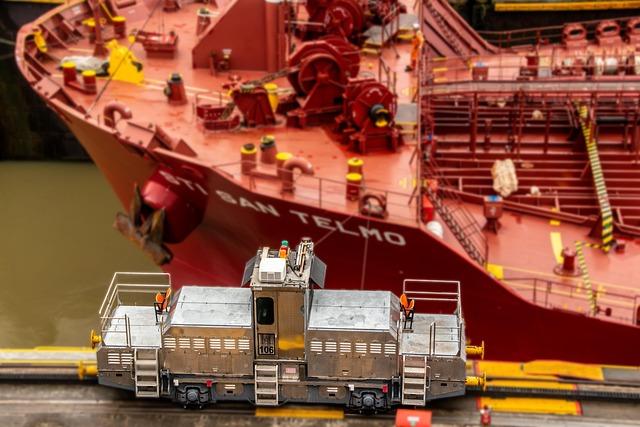
The Panama canal, a pivotal artery for global trade, has long been a symbol of engineering prowess and geopolitical importance.Spanning approximately 50 miles,this man-made waterway connects the Atlantic and Pacific Oceans,enabling ships to bypass the lengthy and treacherous journey around the southern tip of South America. But beyond its logistical importance lies a complex web of governance and control. Following its transfer from U.S. hands to Panamanian authority in 1999, questions about the canal’s management, security, and economic implications have surged, reflecting broader themes of sovereignty and international relations. In this article,we delve into the dynamics of control over the Panama Canal,examining the roles of the Panamanian government,foreign powers,and international entities as they navigate the challenges and opportunities presented by this vital global trade route.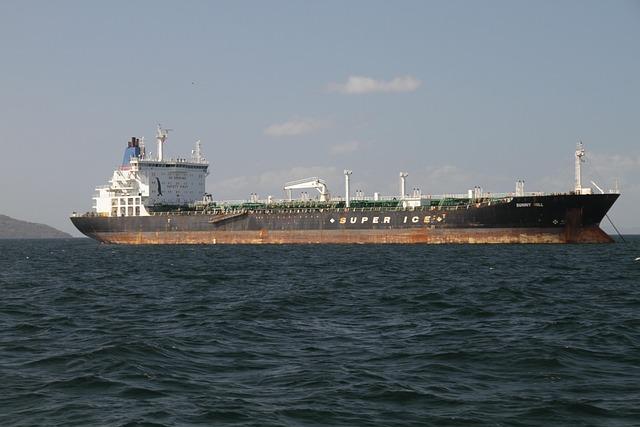
Understanding the Historical Context of panama Canal Control
The Panama Canal, a marvel of engineering and a crucial conduit for global trade, has a complex historical backdrop that has shaped its control and governance. Originally envisioned in the early 16th century, the canal’s construction was fraught with challenges, including technical difficulties and shifting political dynamics.The French first attempted to build the canal in the 1880s under Ferdinand de Lesseps, who previously completed the Suez Canal. However, the project succumbed to diseases like malaria and yellow fever, alongside crippling financial problems, leading to its eventual abandonment.
In the early 20th century, the United States took over the construction of the canal, motivated by both strategic military interests and economic opportunities.Following the Hay-Bunau-Varilla Treaty in 1903, the U.S. gained control over the canal zone, effectively allowing it to govern an area in Panama, which was in a nascent state of independence from Colombia. This treaty encapsulated the era’s imperialistic attitude, wherein the U.S. sought to project its influence in Latin America.
The U.S. operated the canal until the late 20th century, attracting criticism for its imperialist practices and fostering Panamanian nationalism. The Torrijos-Carter Treaties of 1977 marked a meaningful turning point, establishing a timeline for the transfer of control back to Panama. This process concluded on December 31, 1999, which not only symbolized Panamanian sovereignty but also prompted discussions about the broader implications of foreign control over critical infrastructure.
| Key dates in Canal History | Events |
|---|---|
| 1513 | first proposal of a canal by vasco Núñez de Balboa. |
| 1881 | French begin construction under Ferdinand de Lesseps. |
| 1904 | U.S. begins construction after acquiring the canal zone. |
| 1977 | Torrijos-Carter Treaties signed, initiating transfer of control. |
| 1999 | Panama officially takes control of the Panama Canal. |
Current Management Structure and Governance of the Panama Canal
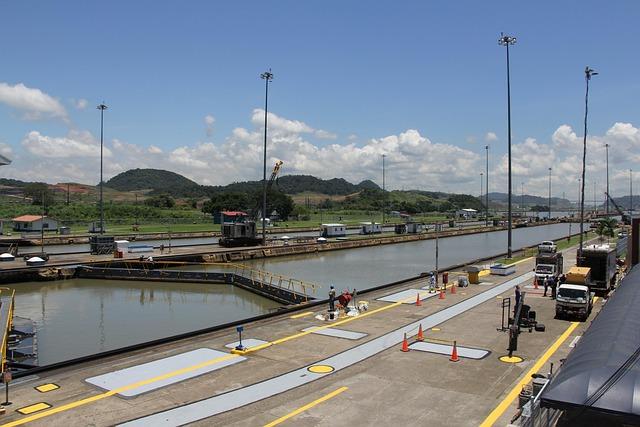
The governance and management of the Panama Canal have undergone significant transformations since its inception. Currently, the Panama Canal Authority (ACP) is responsible for the operation, maintenance, and modernization of the canal. Established in 1999, the ACP is a semi-autonomous government agency that operates independently from the Panamanian government, providing it with a degree of adaptability to respond effectively to global maritime demands.
The authority’s governance is overseen by a board of directors, which consists of a diverse group of members, including government officials and experts in logistics and commerce. This board is essential in shaping the strategic initiatives that impact the canal’s operations, ensuring that decisions made align with both the economic interests of Panama and the international shipping community.
To further enhance openness and accountability, the ACP adheres to a set of operational principles that includes:
- Efficiency: focused on minimizing transit times and maximizing the capacity of the canal.
- sustainability: Committed to environmentally responsible practices in managing water resources.
- Safety: Ensuring the safety of vessels and crews navigating the waters of the canal.
| Key Roles | Description |
|---|---|
| Administrator | Leads ACP operations and coordinates with the board. |
| Board of Directors | Oversees ACP policies and strategic direction. |
| Chief Engineer | Manages infrastructure and maintenance of the canal. |
In terms of international relations, the ACP collaborates closely with global shipping companies and maritime organizations, emphasizing the canal’s critical role in facilitating global trade. This ongoing dialog helps the ACP to adapt and innovate,aligning its operational strategies with current shipping trends and technological advancements.
The Role of the Panama Canal Authority in International Trade
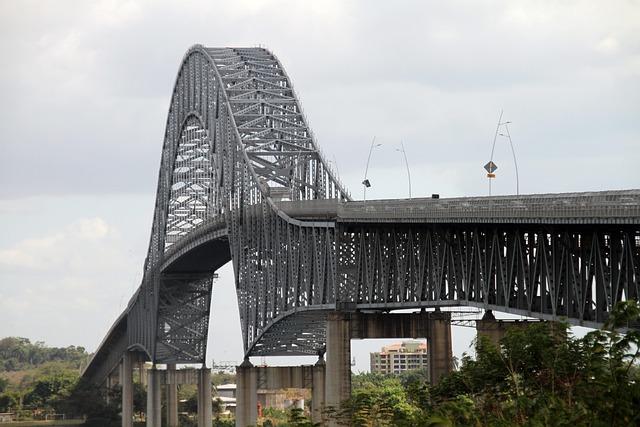
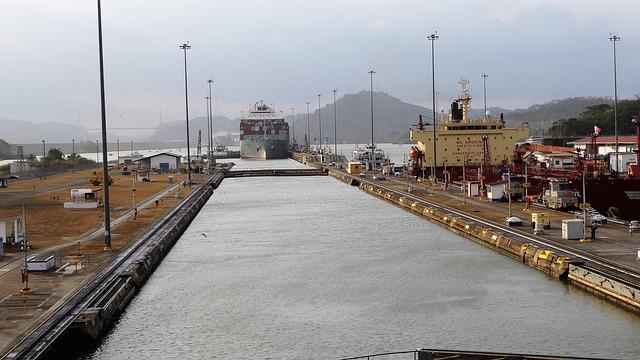
The Panama Canal Authority (ACP) serves a pivotal role in the governance and operational management of the Panama Canal, a crucial artery for international maritime trade. Established in 1999 when the United States relinquished control of the canal, the ACP is tasked with the modernization and maintenance of this vital transit route. Its responsibilities extend beyond mere oversight, playing an essential part in facilitating global shipping by ensuring the canal remains efficient, safe, and environmentally sustainable.
Under the supervision of the ACP, several critical functions are implemented to uphold the canal’s significance:
- Administration and Management: The ACP oversees the daily operations of the canal, including traffic control and scheduling of vessels, thereby maximizing throughput efficiency.
- Infrastructure Investment: Continuous improvements and expansions are made to the canal’s infrastructure, like the addition of larger locks to accommodate larger vessels, known as “New Panamax” ships.
- environmental Stewardship: The ACP is committed to sustainable practices, implementing measures to protect local ecosystems and promote biodiversity around the canal area.
- revenue Generation: As a self-sustaining entity, the ACP generates significant revenues from canal tolls, contributing to Panama’s economy and funding further enhancements to canal operations.
Moreover, the ACP plays a vital diplomatic role, engaging with international stakeholders to negotiate shipping agreements and foster bilateral trade relations. Through its consistent efforts to maintain high standards of reliability and safety, the ACP ensures the canal’s position as a linchpin in global supply chains.
| Key Functions of the ACP | Description |
|---|---|
| Operational Efficiency | Daily management of vessel traffic and scheduling. |
| Infrastructure Development | Upgrades to locks and channels for larger ships. |
| Environmental Policies | protection measures for local ecosystems. |
| Economic Contributions | Revenue generation from tolls benefiting Panama’s economy. |
Geopolitical implications of Control over the Canal
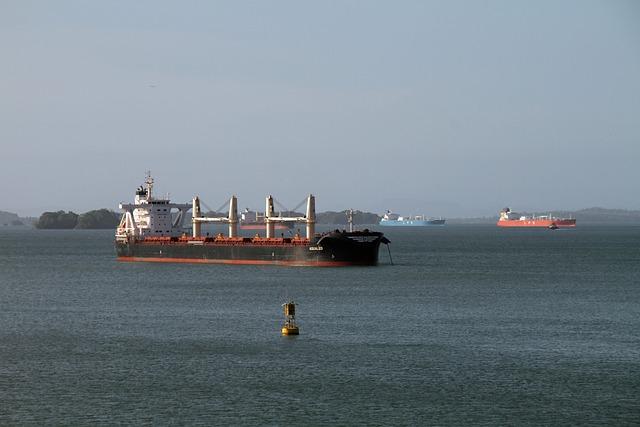
The Panama Canal, a vital artery for global trade, has significant geopolitical implications that reverberate far beyond its borders. Control over the canal not only influences maritime logistics but also has ramifications for international relations, national security, and economic policy.
Dominated by Panama since the U.S. transferred authority in 1999,the canal is crucial for major economies,including the United states,China,and the nations of South America. Key players in this scenario include:
- Panama: As the current controller, Panama’s geopolitical stance is increasingly important in relation to U.S. interests.
- China: Beijing’s growing influence in the region raises concerns among U.S. policymakers about potential strategic uses of the canal.
- Regional Allies: Countries like colombia and Costa Rica depend on the canal for trade access, which could influence regional geopolitics.
Moreover, in recent years, the canal has become a focal point for trade disputes and diplomatic negotiations. Considerable attention is given to:
| Aspect | Implication |
|---|---|
| Trade Routes | Shifts in economic power can alter shipping routes significantly. |
| Military Strategy | Control of the canal can enhance naval mobility for military powers. |
| Investment Opportunities |
Infrastructure investments attract regional partnerships and influence. |
The implications of control extend to global supply chains, impacting everything from oil shipments to consumer goods. As nations jockey for positioning, the future of the canal will undoubtedly shape diplomatic and economic engagements across the globe, making it an essential focal point in understanding contemporary geopolitics.
recommendations for Strengthening regional Cooperation and Security
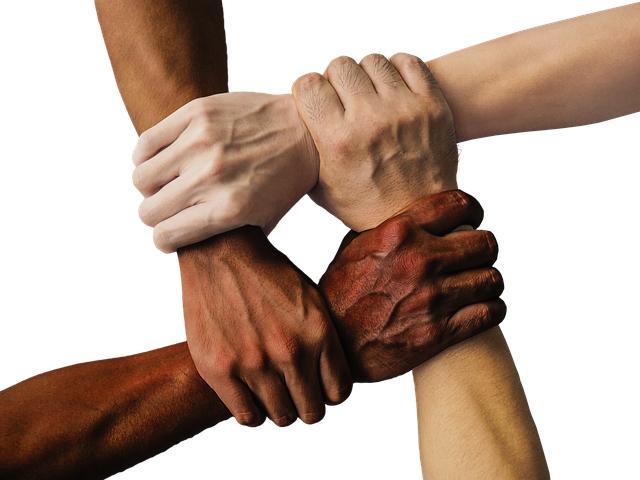
To effectively enhance regional cooperation and security surrounding the Panama Canal,a multi-faceted approach is needed that involves various stakeholders. First and foremost, fostering dialogue among regional powers is crucial. This can be achieved through regular summits and forums that bring together leaders from surrounding nations to discuss maritime security, trade routes, and cooperative strategies. These platforms not only promote transparency but also help in addressing concerns surrounding sovereignty and shared interests.
Moreover, establishing a joint task force focused on maritime security can significantly mitigate risks associated with piracy and trafficking. This task force could be comprised of military and coast guard representatives from nations bordering the canal, promoting coordinated patrols and intelligence sharing.In addition, investing in technology-driven solutions such as automated surveillance systems and real-time data analytics can enhance the canal’s safety infrastructure.
- Enhance Training: Collaborative training exercises among regional forces can build skills and readiness.
- Strengthen Legal Frameworks: Establish clear legal agreements to facilitate rapid response to security threats.
- Promote Economic Partnerships: Align economic interests through trade agreements that enhance cooperation over competition.
| Focus Area | Proposed actions |
|---|---|
| Maritime Security | Develop joint training and response protocols |
| Infrastructure | Invest in modern surveillance technology |
| Legal Framework | Draft multilateral agreements for cooperation |
Lastly, addressing the socio-economic factors that contribute to the instability in the region should not be overlooked. Investing in local communities and creating economic opportunities can alleviate some of the pressures that lead to security concerns. By prioritizing inclusive growth and mutual assistance, regional players can create an habitat conducive to long-term peace and stability around one of the world’s most critical maritime chokepoints.
In Retrospect
the control of the Panama Canal remains a pivotal issue with far-reaching implications for global trade and international relations. Since its transfer from U.S. control to Panama in 1999, the canal has become a critical asset not only for the Central American nation but also for the international maritime community. As trade dynamics evolve and geopolitical tensions fluctuate, the role of the Panama Canal in facilitating global commerce cannot be overstated. Both the Panamanian government and various international stakeholders play integral roles in its management and development, balancing national interests with global economic demands. Future developments, such as infrastructure improvements and evolving shipping technologies, will undoubtedly shape the canal’s operation and its significance on the world stage. As the geopolitical landscape continues to shift, the question of who controls the Panama Canal will remain crucial, highlighting the intersection of national sovereignty, economic strategy, and international cooperation. Understanding these complexities is essential for grasping the broader implications of one of the world’s most strategically critically important waterways.











