

In an era defined by intensifying geopolitics, the strategic maneuvering between the United States and China has far-reaching implications that extend beyond traditional arenas of influence. One critical focal point in this global rivalry is the Panama Canal, a vital artery for global trade that serves as a crossroads for maritime traffic. In this context, Boston University recently hosted Ambassador Jorge Heine, a prominent expert on international relations and diplomacy, who shed light on the intricate dynamics of U.S.-China competition as it relates to this crucial waterway. With an illustrious career that spans academia and diplomatic service, Heine provided an in-depth analysis of how the canal not only impacts bilateral relations between the superpowers but also reflects broader shifts in global economic power. This article delves into heine’s insights, exploring the significance of the Panama Canal in the midst of escalating tensions and the implications for the future of international trade and security.

Ambassador Jorge Heine’s perspective on the Rising Tensions between the U.S. and China
As global dynamics shift, the fraying relationship between the United States and China has captured the limelight, especially in strategic locations such as the Panama Canal. Ambassador Jorge Heine offers a nuanced perspective, highlighting that this historic waterway stands at the crossroads of geopolitical intrigue. The Panama Canal is more than just a transit point; it symbolizes the tug-of-war for dominance in global trade routes.
Heine points out several key factors contributing to the rising tensions:
- Economic Competition: The U.S. and China are vying for supremacy in various sectors, from technology to infrastructure, which extends into investments surrounding the canal.
- Military posturing: Increased naval activities in the Pacific signal a military readiness that only exacerbates fears among nations reliant on the canal for commerce.
- diplomatic maneuvering: Both powers are engaging with Panama itself, offering trade deals and infrastructural aid, thereby attempting to sway its allegiance.
Ambassador Heine illustrates that as these tensions rise, smaller nations like Panama find themselves in precarious positions, needing to balance relationships with two economic giants. This delicate dance raises questions about sovereignty and the future of international trade. While the canal traditionally served as a neutral zone, the increasing footprint of geopolitical competition could alter its status considerably. heine emphasizes the need for diplomatic engagement and cooperation to ensure that the canal remains a vital conduit for peaceful commerce rather than a flashpoint for conflict.
To encapsulate the implications of this competition, the following table presents a comparative view of U.S.and Chinese investments in Panama:
| investment Aspects | United States | China |
|---|---|---|
| Infrastructure Projects | $500 million | $1 billion |
| Trade agreements | 3 | 5 |
| Military Partnerships | Strong | Emerging |
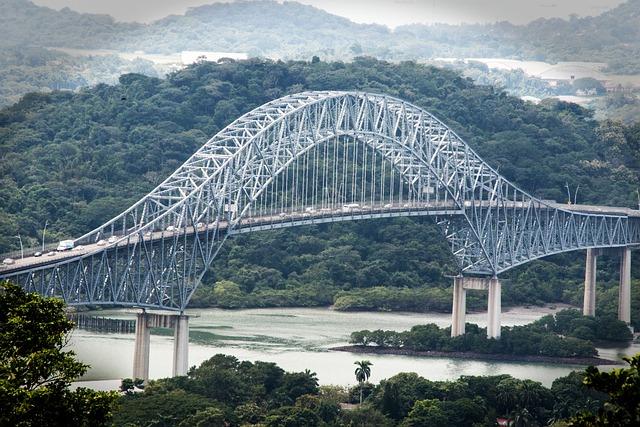
The Strategic Importance of the Panama Canal in Global Geopolitics
The Panama Canal stands as a critical artery in the world of global trade, functioning as a pivotal point in the ongoing U.S.-China rivalry. As supply chains increasingly intertwine through this waterway,its strategic importance intensifies,influencing both economic and military dynamics between these two superpowers. With the capability to shorten shipping routes significantly between the Atlantic and Pacific Oceans, the canal allows vast quantities of goods to traverse in a fraction of the time it would take through alternate passages.
Key factors underscoring the canal’s geopolitical significance include:
- Trade Volumes: Approximately 5% of global trade and nearly 14% of the U.S. trade traverses the Panama Canal,underscoring its role as a linchpin in international commerce.
- Military Strategy: Control over the canal enables rapid deployment of naval forces, fostering security stances in the region between the two nations.
- Regional Influence: The canal serves as a focal point for diplomacy and influence in latin America,where both the U.S. and China are vying for strategic partnerships and economic footholds.
Diplomatic engagements surrounding the canal reflect deeper tensions, as investments from China in nearby infrastructure, including ports and rail systems, effectively threaten U.S. hegemony in the Western Hemisphere. The Balboa and Cristobal ports, strategically located at either end of the canal, have recently become focal points for Chinese shipping interests. This influx of investment raises concerns not only about dependency but also about the shifting balance of power in a region historically influenced by U.S. policy.
| Factor | U.S. | China |
|---|---|---|
| Trade Control | Maintains majority control through bilateral agreements | Increased shipping capacity via investments |
| Military Access | strategic naval base deployments | Growing naval presence in Latin America |
| Infrastructure Investment | Limited funding for regional projects | Meaningful investment in port and rail infrastructure |
In light of these developments, the Panama canal emerges not only as a transit point for goods but as a microcosm of global geopolitical contestation. As competition escalates, how countries navigate their interests in the region will likely shape future economic and military strategies on a global scale.

Analyzing China’s Growing Influence in Latin America through the Canal
Ambassador Jorge Heine addresses the multifaceted dynamics of China’s expanding presence in Latin America, particularly focusing on the strategic waterways of the Panama Canal. In recent years, China has significantly increased its investments and political ties in the region, leveraging infrastructure advancement as a catalyst for deeper engagement. The canal’s strategic importance serves not just as a conduit for maritime trade, but as a symbol of influence where China is keen on establishing a foothold.
Key factors driving this influence include:
- Investment in Infrastructure: China has financed numerous projects in countries such as Panama, making significant contributions towards the enhancement of port facilities that directly contribute to the effectiveness of the Panama Canal.
- Trade Relationships: The exchange of goods between China and Latin america has intensified, with increased imports of natural resources and exports of manufactured products.
- Political Alliances: China’s approach to diplomacy emphasizes non-interference in domestic affairs, appealing to many Latin American nations that seek alternatives to U.S. influence.
The implications of China’s rising influence are profound. Ambassador Heine suggests that this growing competition between the U.S. and China in Latin America could reshape traditional alliances and strategies. In particular, countries surrounding the Panama Canal may find themselves navigating a delicate balance between welcoming chinese investment while managing their long-standing relations with the United States.
| Influence Areas | China’s Role | Implications |
|---|---|---|
| Economic | Funding projects, trade growth | Potential economic dependency |
| Political | Building alliances, soft power | Shift from U.S. hegemony |
| Cultural | Increased Chinese presence | Greater cultural exchange |


Key Recommendations for U.S. Policy in Response to Chinese Engagement
As the dynamics of U.S.-China competition evolve, especially in the context of strategically vital locations like the Panama Canal, policymakers should consider a multifaceted approach to strengthen U.S. interests while engaging constructively with international partners. Here are several key recommendations for U.S. policy:
- Enhance Diplomatic Engagement: Foster stronger bilateral relations with Latin American countries, focusing on shared goals such as economic development, trade, and security. Regular high-level dialogues can definitely help mitigate geopolitical tensions and prevent the escalation of competition into conflict.
- Invest in Infrastructure: Invest in the modernization of U.S.ports and transportation links, enhancing competitiveness and demonstrating U.S. commitment to the region’s growth. Collaborations with local governments can ensure that these projects address community needs while strengthening U.S. strategic presence.
- Leverage Trade Agreements: Negotiate new trade agreements that prioritize U.S. goods and services in Latin America, emphasizing fair competition and prioritizing labor and environmental standards, setting a high bar for engagement in the region.
- Strengthen Security Collaboration: enhance military and security cooperation with regional partners to address common threats and counteract coercive tactics frequently enough employed by China. This includes joint exercises and intelligence sharing to bolster regional stability.
To effectively implement these strategies, a coordinated and collective approach is essential. The U.S. must not only act unilaterally but also engage with allies and partners to create a united front that addresses the challenges posed by Chinese engagement in the region.
| Recommendation | Focus Area | Expected Outcome |
|---|---|---|
| Enhance Diplomatic Engagement | Regional Relations | Strengthened Partnerships |
| Invest in Infrastructure | U.S. Logistics | Improved Competitiveness |
| Leverage Trade agreements | Economic Policies | Fair Trade Practices |
| Strengthen Security Collaboration | Regional Security | Increased Stability |

The Role of Multilateral Cooperation in Strengthening Panama’s Position
In the shifting landscape of global politics, multilateral cooperation serves as a crucial pillar for strengthening Panama’s strategic position. The country, positioned at the crossroads of the Americas and vital maritime routes, stands to gain significantly from its ability to engage with multiple stakeholders.as the competition between the U.S. and China intensifies, multilateral partnerships can provide Panama with essential support in enhancing its economic and geopolitical stability.
Key aspects of Panama’s multilateral engagements include:
- Economic Diversification: Multilateral cooperation allows Panama to diversify its trade partners, reducing dependency on any single nation. By engaging with organizations such as the Pacific Alliance and Central American Integration System, Panama can explore new trade opportunities.
- Infrastructure Development: Cooperation with international financial institutions enables Panama to secure funding for critical infrastructure projects, including upgrades to the Panama Canal, enhancing its ability to accommodate larger vessels and increasing its competitive edge.
- Environmental Sustainability: Collaborating with global environmental organizations can definitely help Panama address the challenges posed by climate change, fostering initiatives that protect its unique ecosystems while promoting sustainable development.
Furthermore, as Panama positions itself within the broader frameworks of international diplomacy, it is vital for the nation to cultivate relationships within various multilateral platforms. This includes active participation in forums such as the United Nations and the Association of American states, where Panama can advocate for its interests while contributing to regional stability and prosperity. By forging strong alliances and participating in collaborative efforts, Panama not only enhances its own standing but also contributes positively to the global dialog on pressing issues, including trade, security, and environmental challenges.
| Benefit of Multilateral Cooperation | Description |
|---|---|
| Increased Trade Opportunities | Diversification of markets through new partnerships. |
| Enhanced Security | Joint efforts to address regional security threats. |
| Access to Expertise | Collaboration with international experts on development projects. |

Future Implications for Trade and Security in the Context of U.S.-China Rivalry
The ongoing rivalry between the U.S. and China is reshaping global trade dynamics and national security policies, particularly in strategic locations like the Panama Canal. As one of the most vital maritime chokepoints,the canal serves as a critical nexus for international shipping routes. The implications of U.S.-china competition here are multi-faceted, influencing both economic stability and security protocols.
The potential for increased Chinese investment in the region raises several concerns for the U.S. and its allies. Some significant implications include:
- Infrastructural Enhancements: Chinese investment may lead to modernization of canal facilities, boosting efficiency but raising questions about control over critical infrastructure.
- Increased Military Presence: A stronger chinese foothold in Central America could enable enhanced military positioning, altering the security landscape in the Western Hemisphere.
- Trade Alliances: Increased ties between China and Panama might shift trade alliances, impacting U.S. economic influence in the region.
Moreover, the heightened competition may prompt both nations to increase their military and diplomatic presence in the area, leading to a complex interplay of partnerships and hostilities.A robust assessment of current policies and preemptive actions could prove essential for the U.S. to maintain its influence. Consider the following table showcasing the trade routes affected by such geopolitical tensions:
| Trade Route | Impact of U.S.-China Rivalry |
|---|---|
| North America to Asia | Increased shipping costs due to tariffs and security checks |
| Europe to Americas | Potential disruptions in trade agreements |
| asia to South America | Shifts in shipping frequency as alliances change |
As these dynamics evolve, it is crucial for policymakers to stay vigilant and adapt their strategies to mitigate risks and explore opportunities within this complex landscape. The future of trade and security in the context of U.S.-china relations will undoubtedly rely on nuanced understanding and strategic foresight regarding vital maritime infrastructures like the Panama Canal.
Insights and Conclusions
Ambassador Jorge Heine’s insights into the U.S.-China competition and its implications for the Panama Canal provide a crucial understanding of the complex geopolitical dynamics at play. As countries like the United States and China vie for influence in strategic regions, the significance of the Panama Canal as a vital trade artery cannot be overstated. Through Heine’s analysis, it becomes evident that the canal remains a pivotal point of interest, embodying both economic opportunities and challenges amidst rising global tensions.As policymakers and stakeholders navigate this intricate landscape, the implications of their decisions will resonate far beyond the immediate region, affecting international relations and global trade patterns for years to come.The conversation sparked by Heine’s address at Boston University offers a timely and necessary examination of these critical issues,urging us to consider the future of international cooperation,competition,and the enduring strategic relevance of the Panama Canal.