
The Expansion of Russia in Central America: Nicaragua and the Pawn Exchange with Parlacen
In recent years, the geopolitical landscape of central America has witnessed a notable shift as Russia seeks to expand its influence in the region.At the forefront of this initiative is Nicaragua, a country that has embraced closer ties with Moscow amid growing tensions between the west and Russia. This article delves into the complexities of Russia’s strategic maneuvers in Nicaragua, particularly through its involvement with the central American Parliament (Parlacen) and the implications these developments hold for regional politics. As Nicaragua serves as a focal point for Russian endeavors, the ongoing “pawn exchange” between the two actors raises critical questions about the future of governance, sovereignty, and international relations in Central America. in exploring this intricate web of alliances and exchanges, we aim to shed light on how the dynamics of power are evolving in this often-overlooked corner of the world.
The Historical Context of Russia’s Influence in Central America
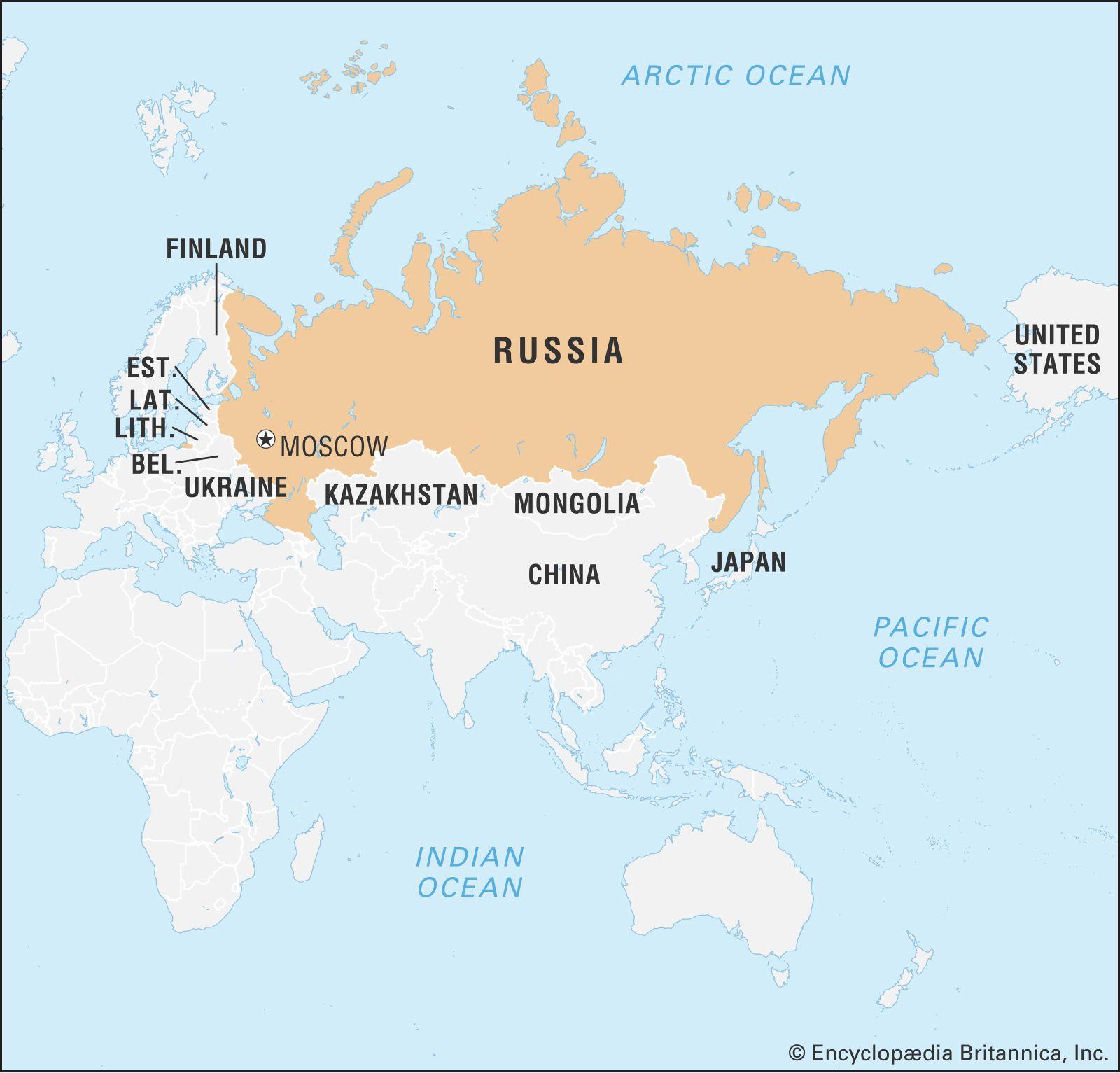

The historical dynamics between Russia and Central America, particularly Nicaragua, can be traced back to the Cold War era. during this time,the Soviet Union identified the region as a strategic battleground for ideological contestation against U.S. influence.Nicaragua emerged as a focal point of this geopolitical struggle, especially with the rise of the Sandinista government in the late 1970s. The Soviet Union and its allies provided military and economic support to the sandinistas, fostering a significant relationship that laid the groundwork for future engagements.
in the post-Soviet era, Russia sought to re-establish its influence in Latin America, leveraging historical ties and opportunistic partnerships. Key events that highlight this revival include:
- Venezuela’s support: Russia’s partnership with the oil-rich nation of Venezuela allowed for a renewed interest in Central America, shifting Nicaragua back into its sphere of influence.
- Economic ties: Through various agreements, Russia has committed to invest in Nicaraguan infrastructure and energy projects, aiming to deepen economic interdependence.
- Cultural diplomacy: Russia has promoted cultural initiatives to strengthen its soft power in the region, emphasizing historical connections through education and exchange programs.
Recent developments in regional politics,such as growing discontent with U.S. foreign policy, have created a favorable surroundings for Russia’s outreach.With its strategic partnerships, Moscow appears to be positioning itself as an choice ally to Central American nations, offering military cooperation and economic assistance that may be appealing to governments skeptical of American influence. The dialog within institutions like the central American parliament (Parlacen) plays a crucial role in shaping these relationships, serving as a platform for discussing both cooperative frameworks and geopolitical positioning.
| Year | event | Impact |
|---|---|---|
| 1979 | Sandinista Revolution | Increased Soviet engagement in Nicaragua |
| 2007 | Daniel Ortega’s presidency | Reinvigorated ties with Russia |
| 2020 | Defense agreements signed | Enhanced military cooperation |
Strategic Partnerships: Analyzing Nicaragua’s Role in Russian Expansion


The geopolitical landscape of Central America has shifted notably with Nicaragua positioning itself as a pivotal player in Russia’s broader strategic ambitions. This dynamic is not merely about bilateral relations but signifies a convergence of interests that could redefine regional alliances. Through its cooperative agreements with Russia, Nicaragua has become an essential hub for the nation’s efforts to expand its influence, leveraging its geographical advantages and political alignments accordingly.
Key Factors in Nicaragua’s Role:
- military Cooperation: Nicaragua has entered into various military agreements with Russia, including the acquisition of arms and training for Nicaraguan forces, which significantly bolsters Russia’s strategic footprint in the region.
- Economic Dependencies: The infusion of Russian capital into Nicaraguan infrastructure projects serves as a means for the Kremlin to establish economic ties that could sustain political loyalty.
- Diplomatic leverage: By standing in solidarity with Russia, Nicaragua enhances its own bargaining position within organizations such as the Central American parliament (Parlacen), allowing it to maneuver against conventional Western influences.
This partnership operates not onyl on a military and economic level but extends into the cultural realm. By promoting Russian culture and language through educational programs in Nicaragua, the collaboration underscores a deeper ideological affinity that could foster long-term loyalty. Additionally, Nicaragua’s robust engagement with Russian media initiatives bolsters this soft power strategy, positioning the nation as a voice for Russian interests in the Americas.
| Aspect | Nicaragua’s approach |
|---|---|
| Military | Arms acquisitions, training collaborations |
| Economic | Infrastructure growth funded by Russia |
| Diplomatic | Alignment with Russian interests in Parlacen |
| Cultural | Promotion of Russian language and media |
The Dynamics of the Pawn Exchange with Parlacen
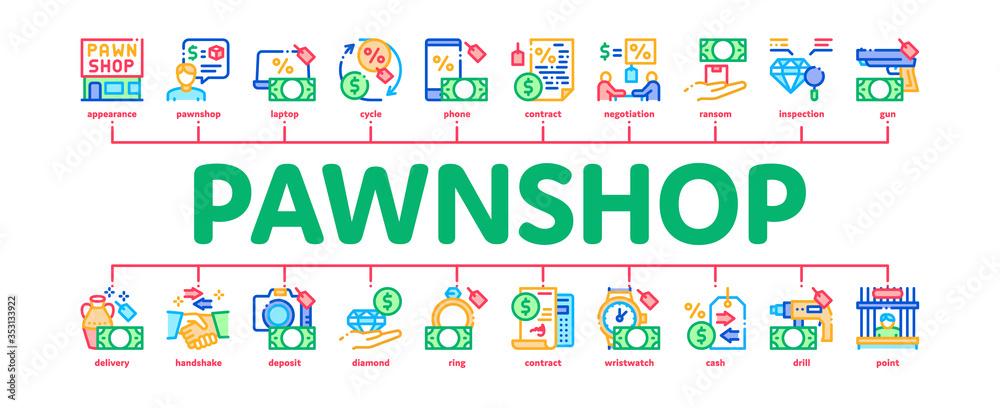

The pawn exchange concept, as understood in political and economic terms, has taken on new dimensions in the context of Nicaragua’s recent diplomatic maneuvers with Russia and the Central American Integration System (SICA), particularly through Parlacen. The interaction between these entities reflects a delicate balancing act of power dynamics, trade concessions, and geopolitical alliances that resonate beyond the immediate borders of Central America.
Key features of this exchange include:
- Economic Incentives: The exchange presents opportunities for Nicaragua to enhance its economic leverage through trade agreements that benefit both Russia and regional partners.
- Political Alliances: Strengthening ties with Russia allows Nicaragua to assert its sovereignty while receiving support in international forums.
- Security Cooperation: Collaborations may extend into security agreements, ensuring regional stability in the face of external pressures.
Understanding this relationship requires an examination of the underlying motivations from both sides. For Russia, expanding its influence into Central America can be seen as a strategy to counteract U.S. dominance in the region, while nicaragua seeks to solidify its position through strategic partnerships that promise economic and political dividends. This dichotomy creates a complex web of interactions that could reshape the future of diplomatic relations in Central america.
| Aspect | Nicaragua’s Position | Russia’s Interest |
|---|---|---|
| Economic Development | Increased trade opportunities | Access to new markets |
| Political Influence | Strengthening sovereignty | Countering U.S. presence |
| Security | Potential military collaboration | Regional stability for strategic interests |
Economic Implications of Increased Russian Presence in Nicaragua
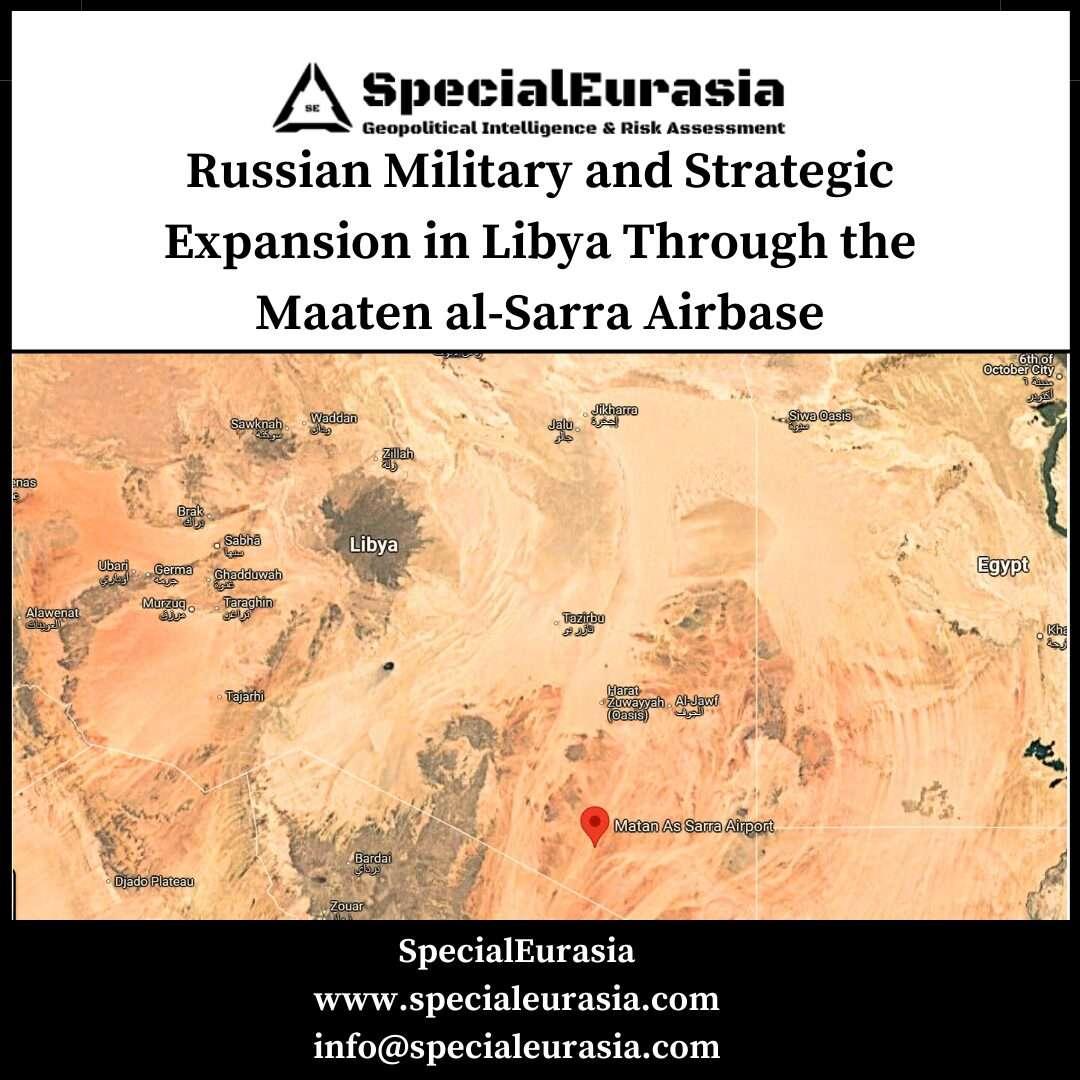

The recent strengthening of Russian influence in Nicaragua raises several economic implications that merit attention. as Moscow expands its presence in central America, Nicaragua may see a shift in its foreign investment landscape and trade relationships. An enhanced Russian footprint could led to the following outcomes:
- Investment Opportunities: Increased Russian investment may yield meaningful infusion of capital into local industries, particularly in sectors like mining, energy, and agriculture. This could stimulate job creation and technological transfer.
- Trade Dynamics: A deeper partnership with Russia may shift Nicaragua’s trade alliances. The nation might pivot away from traditional partners in the West, exploring new markets and trade agreements that favor Russian exports and imports.
- Infrastructure Development: Russian participation in infrastructure projects could improve vital sectors such as transportation and telecommunications. Though, the financing models and terms could lead to increased debt dependency on Moscow.
- Geopolitical Risks: Economic ties with Russia may expose Nicaragua to geopolitical tensions, particularly with the United States, possibly leading to sanctions or reduced aid from traditional allies.
Moreover, assessing local public sentiment regarding these developments is crucial. While there are potential benefits, the population’s perception of Russian involvement, particularly amid historical contexts of Cold War alliances, could play an instrumental role in shaping future policies. This evolving economic landscape may also foster a divisive discourse among Nicaraguans about national sovereignty versus economic reliance.
| Economic Factors | Potential Outcomes |
|---|---|
| Foreign Investment | Job creation, technological advancement |
| Trade Relationships | New markets, reduced ties with the West |
| Infrastructure Investments | Improvements in transportation, risk of debt |
| Geopolitical Climate | Tension with the U.S., potential isolation |
Recommendations for Strengthening Regional Stability and Sovereignty

to effectively address the challenges posed by the increasing influence of russia in regions like Central America, particularly in Nicaragua, a multifaceted approach is essential. Strengthening regional stability and affirming sovereignty requires collaborative and strategic interventions that prioritize the collective security of nations in the area.
- Enhance Diplomatic Engagement: Countries should intensify diplomatic dialogues within the framework of regional organizations such as the Central American Integration System (SICA) to present a united front against external influences.
- Promote Economic Cooperation: Establishment of trade agreements and development initiatives that focus on shared interests can bolster economic dependency on local partnerships rather than foreign powers.
- Increase Military and Security Collaboration: Strengthening cooperative defense measures between regional countries can improve internal security and deter unauthorized foreign military presence.
- Encourage Civil Society Participation: Empowering grassroots movements and fostering civic engagement can create a more resilient democratic framework, reducing susceptibility to outside manipulation.
A proactive approach should also involve international allies who value democracy and sovereignty. Engaging these partners can provide the necessary support to foster stable governance structures within the region. This might include:
| International Partners | Proposed Support Areas |
|---|---|
| United States | Security assistance,Economic aid,Diplomatic support |
| European Union | Governance reforms,Economic development initiatives |
| Regional Allies (e.g., Colombia) | Security cooperation, Intelligence sharing |
Implementing these strategies will enable Central American nations to navigate the complexities of foreign influence, ultimately fostering an environment where regional sovereignty remains intact and collective stability is prioritized.
Future Prospects: What Lies Ahead for Nicaragua and Russia Relations

as the geopolitical landscape continues to shift, the relationship between Nicaragua and Russia is poised for further development.The historical ties formed during the Cold War and reinforced in recent years under President Daniel Ortega’s administration suggest that nicaragua may further align itself with Russian interests, leveraging this partnership for economic and military benefits. The potential for Russian investments in critical sectors such as energy, infrastructure, and agriculture could reshape Nicaragua’s economic future.
Key factors influencing this trajectory include:
- Military Cooperation: Continued military training and hardware supplies may solidify Nicaragua’s defense capabilities while aligning them further with Russian strategic goals.
- Economic Dependency: Financial assistance and investment from Russia can enhance Nicaragua’s infrastructure but may increase its reliance on Moscow for economic stability.
- Geopolitical Strategy: nicaragua can serve as a strategic foothold for Russia in Central America,countering U.S. influence in the region.
A tangible portrayal of this growing alliance is evident in the establishment of initiatives tailored towards enhancing bilateral trade and cooperation, including the exchange of diplomatic missions and cultural ties. as part of this endeavor, Parlacen—a regional parliamentary body—could serve as a platform for Nicaragua to further engage with other Central American nations under the auspices of Russian support. The ramifications of this diplomatic pivot may lead to a reconfiguration of political alliances in Central America.
| Area of Cooperation | Potential Impact |
|---|---|
| Military Collaboration | Strengthened defense posture |
| Economic investments | Infrastructure growth and job creation |
| Cultural Exchanges | Enhanced mutual understanding and goodwill |
Looking ahead, the evolving dynamics between Nicaragua and Russia may influence not only domestic policies within Nicaragua but also reshape the regional balance of power in Central America. The trajectory of this bilateral relationship will likely hinge on external pressures, including U.S. foreign policy responses and developments within the Latin American landscape, making it a critical relationship to watch in the coming years.
The Way Forward
the expansion of Russia’s influence in central America, particularly through its activities in Nicaragua and its relationship with the Central American Parliament (Parlacen), marks a significant shift in the geopolitical landscape of the region. As Moscow seeks to re-establish its presence in areas historically influenced by the United States, the intricacies of this “pawn exchange” reveal a complex interplay of diplomacy, economic interests, and regional power dynamics. The implications of this growing alliance extend beyond bilateral relations, potentially reshaping the balance of power in Central America and challenging existing frameworks of governance. As Nicaragua embraces this partnership, the international community will be closely watching how these developments unfold and what they mean for the future of regional cooperation and security. The story of Russia’s resurgence in the Americas is far from over, and it will undoubtedly continue to evolve in the weeks and months to come.