

In recent years, the use of drones has transcended their original purpose of aerial photography and surveillance, transforming into a pivotal tool in the realm of organized crime across Latin America.the proliferation of these unmanned aerial vehicles (UAVs) has ignited a criminal arms race, as cartels and gangs increasingly adopt advanced technology to gain a competitive edge. Drones are now being employed for a variety of illicit activities, from monitoring law enforcement movements to transporting drugs and weapons, raising alarming questions about public safety and the capabilities of law enforcement agencies in the region. This article delves into the disturbing trends surrounding drone usage among criminal organizations, explores the implications for security in Latin America, and examines the responses from governments struggling to keep pace with this evolving threat. As the landscape of crime adapts to technological advancements, the stakes have never been higher for the institutions tasked with maintaining order and the communities caught in the crossfire.
Drones as Tools for Trafficking: The Evolving Landscape of Criminal Operations in Latin America
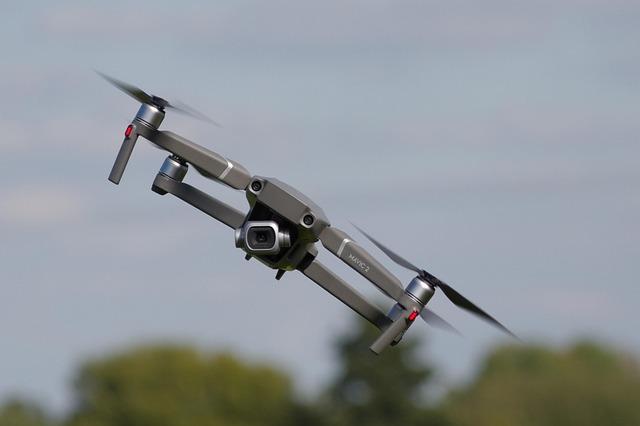

The increasing sophistication of drone technology has escalated its adoption in illegal activities across Latin America. As authorities struggle to keep pace with this rapid evolution, criminal organizations leverage unmanned aerial vehicles (UAVs) to enhance their operational efficiency and evade detection. These aerial tools have transformed conventional trafficking networks, revealing a concerning arms race between law enforcement and criminals.
Criminal groups are utilizing drones for various illicit purposes that substantially outpace regulatory and enforcement mechanisms:
- Surveillance: Drones equipped with cameras conduct reconnaissance, allowing traffickers to monitor police movements and rival activities, ensuring safer routes for their operations.
- Transport: Lightweight drones are now being used to transport small payloads of narcotics or weapons across borders, bypassing the heavily monitored pathways used by traditional trafficking methods.
- Intelligence Gathering: Advanced sensors allow drones to gather critical information about law enforcement operations and supply chain vulnerabilities, providing traffickers a strategic advantage.
In response, authorities are adapting their strategies. Law enforcement agencies are increasingly adopting drone technology for monitoring and intervention, leading to an evolving cat-and-mouse dynamic. The table below illustrates some of the cutting-edge drone applications in both illegal and legal frameworks in the region:
| Application | Criminal Use | Law Enforcement Use |
|---|---|---|
| Surveillance | Monitoring rival groups and police | Patrol of high-risk areas |
| Transport | Smuggling drugs and firearms | Delivery of supplies in emergencies |
| Intelligence Gathering | Identifying vulnerabilities in law enforcement | Mapping crime hotspots |
This ongoing disruption highlights the urgent need for extensive and innovative regulatory frameworks to harness the potential of drone technology while safeguarding public safety. As both criminals and authorities continue to explore the capabilities of drones, ensuring security in the skies and on the ground will remain a critical challenge for the region.
Impact on law enforcement: Challenges Posed by Drone Technology in Combating Crime
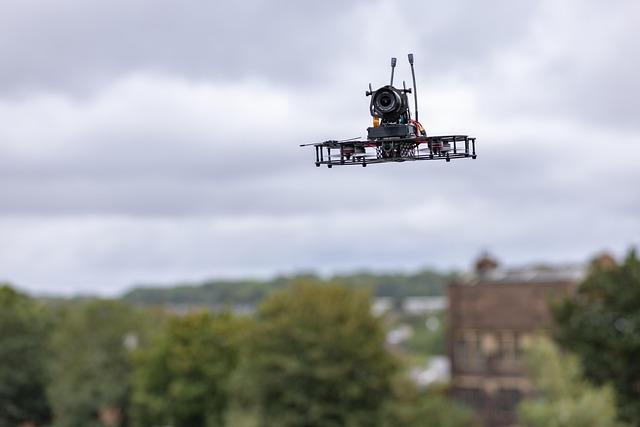

Drones have emerged as a powerful tool in the landscape of law enforcement, offering new methods for surveillance and intelligence gathering. However, they also present a range of obstacles for police forces trying to maintain order in a rapidly evolving criminal environment. While drones can provide real-time aerial views of crime scenes or assist in tracking suspects,they also create important challenges that law enforcement must navigate.
Among the major concerns is the ease of access to drone technology for criminal organizations. With relatively low costs and user-amiable designs, criminals can utilize drones for various illicit purposes, including:
- Smuggling contraband across borders.
- conducting surveillance on police movements.
- Carrying out targeted attacks on rivals or law enforcement personnel.
Moreover, the limited regulatory frameworks surrounding drone use create a grey area that law enforcement officials often find difficult to navigate. The lack of clear legislation makes it challenging for police to implement effective countermeasures.This regulatory void allows criminals to exploit drones without fear of legal repercussions, further complicating the fight against organized crime.The need for comprehensive regulation that balances public safety with technological advancement has never been more urgent.
In grappling with these issues, law enforcement agencies are recognizing the necessity of integrating drone technology into their operations. Information sharing and collaboration between countries and agencies can bolster their efforts against criminal enterprises employing drone tactics. However, this remains a daunting endeavor amid a backdrop of rapidly evolving criminal methodologies.
Case Studies: Notable Incidents Involving Drones in Criminal Activities


Latin america has witnessed an alarming rise in the use of drones by criminal organizations, reflecting a chilling shift in the tactics employed in the ongoing struggles for power and territory. Not only have these unmanned aerial vehicles (UAVs) been used for surveillance purposes, but they have also facilitated the smuggling of drugs, weapons, and other illicit goods, creating significant challenges for law enforcement agencies.
One notable incident occurred in Mexico, where drug cartels began using drones equipped with advanced surveillance technology to monitor law enforcement movements. cartel members employed these UAVs to gather intelligence on police patrol routes and communicate real-time information, significantly enhancing their operational effectiveness. This led to a series of violent confrontations between rival gangs, as they competed for control over lucrative trafficking routes.
Meanwhile, in Colombia, a different approach has emerged. criminal groups have been reported to use drones not only for recon but also for delivering small payloads. For instance, a recent operation uncovered a drone carrying narcotics that was intended for distribution in urban areas. Such innovative methods raised concerns about the potential for drones to facilitate increased distribution capabilities within cities, complicating counter-narcotics efforts.
| Country | Criminal Activity | Drone Model |
|---|---|---|
| Mexico | Surveillance of police | DJI Phantom 4 |
| Colombia | Narcotics delivery | Custom-built UAV |
| Brazil | Weapons smuggling | Parrot Anafi |
The implications of these developments are profound. As technology advances, so too dose the sophistication of criminal enterprises. The arms race between law enforcement and criminals will likely escalate unless innovative solutions and collaborative strategies are adopted. Understanding these incidents is crucial for developing effective policies and strategies to counteract the growing influence of drones in criminal activities across the region.
Regulatory Gaps: The Need for Comprehensive Drone Legislation in Latin America

The rapid proliferation of drone technology in Latin America has not been matched by adequate regulatory frameworks, leading to a concerning void that criminal organizations are increasingly exploiting. Drone usage has soared in various sectors, from agricultural monitoring to logistics, yet the potential threats posed by their misuse by criminal groups often overshadow these positive applications. This regulatory gap has created an environment where illegal activities, including drug trafficking and arms smuggling, can thrive under the radar.
Currently, several countries in the region lack comprehensive regulations specifically addressing drone operation in both civilian and commercial airspace. This absence permits criminals to utilize drones for purposes such as:
- Surveillance of law enforcement activities
- Delivery of contraband and weapons
- Conducting illegal aerial imagery for mapping operations
To effectively combat these emerging threats, it is crucial for Latin American nations to come together and develop cohesive, standardized drone legislation. This legislation should include:
- Mandatory registration for commercial and private drones
- Clear guidelines for operational boundaries in urban and rural areas
- Enhanced law enforcement protocols for monitoring illegal activities linked to drones
| Country | Current Legislation Status | proposed Improvements |
|---|---|---|
| Colombia | Limited regulations on commercial use | Enhanced drone registration and monitoring |
| Mexico | basic laws for recreational use | Comprehensive framework for illegal drone deliveries |
| Brazil | Clear UAV laws but enforcement issues | Stricter penalties for violations |
by establishing robust legislative frameworks, authorities can mitigate the growing risk posed by drones in the hands of criminal entities, ultimately safeguarding public safety and enhancing national security across the region.
Technological Solutions: Harnessing Drones for Crime Prevention and Response

The integration of drones into crime prevention and response strategies has opened new avenues for law enforcement agencies in Latin America.These advanced aerial technologies are equipped with high-resolution cameras and real-time data transmission capabilities, allowing authorities to conduct surveillance over vast areas with unprecedented efficiency. In urban regions plagued by crime, the deployment of drones can significantly enhance situational awareness, enabling officers to monitor hotspots without the risk of exposure associated with ground patrols.
Moreover, the use of drones extends beyond mere surveillance. They facilitate various operational aspects, including:
- Evidence Collection: Drones can capture crucial photographic evidence from crime scenes, supporting investigations and prosecutions.
- Search and Rescue: During emergencies, drones are invaluable in locating missing persons or assessing disaster-stricken areas.
- Intelligence Gathering: Aerial surveillance can help identify patterns in criminal activity, providing insights for targeted interventions.
Though, the reliance on drones also introduces challenges. As criminal organizations acquire similar technologies, the landscape of crime is rapidly evolving. This creates a technological arms race where elegant drone systems could be employed for illicit activities such as drug trafficking or arms smuggling. To effectively combat this threat, law enforcement must adapt quickly by investing in advanced drone technology and cross-agency collaboration.
| Drones in Law Enforcement | Criminal Uses |
|---|---|
| surveillance and Monitoring | Smuggling Operations |
| search and Rescue Missions | Drug Trafficking |
| Evidence Gathering | Illegal Arms Trade |
Community Engagement: Strategies for Building Resilience Against Drone-Enabled Crime


To effectively combat the rising threat of drone-enabled crime, communities must leverage collective action and innovative strategies. Grassroots initiatives that foster local participation can help identify vulnerabilities and create tailored solutions that resonate with community needs. Developing awareness campaigns is crucial; these can educate residents about the nature of drone threats and promote vigilance. use of social media platforms can amplify messaging and facilitate real-time reporting of suspicious drone activity.
Building collaborative networks among law enforcement, local businesses, and community organizations is essential. Regular meetings to discuss trends and share intelligence can strengthen relationships and ensure a coordinated response.Additionally, involving community members in neighborhood watch programs specifically focused on drone surveillance will empower citizens. These programs can include:
- Drone detection workshops
- Reporting hotlines for suspicious drone activity
- Partnerships with tech companies for drone monitoring solutions
Investing in youth engagement programs can also play a critical role in resilience building. Educating younger generations about the ethical use of technology can mitigate the allure of illegal activities associated with drones. Community centers can host workshops that focus on coding, robotics, and the responsible use of drone technology, fostering a better understanding of its applications beyond criminality.
| Strategy | Description | community Benefits |
|---|---|---|
| Awareness Campaigns | Educate community on drone threats | Increased vigilance and reporting |
| Collaborative Networks | Partnerships between community and law enforcement | Coordinated response to incidents |
| youth Engagement | Workshops on responsible drone usage | Empowered, tech-savvy youth |
Final Thoughts
the escalating presence of drones in Latin America’s criminal landscape highlights a complex and alarming arms race that is redefining the dynamics of organized crime in the region. As drug cartels and other criminal organizations increasingly turn to aerial technologies for smuggling, surveillance, and warfare, the implications for public safety and law enforcement are profound. The growing sophistication and accessibility of these unmanned aerial vehicles not only challenge traditional methods of policing but also underscore the urgent need for robust regulatory frameworks and international cooperation. Moving forward, addressing the multifaceted threats posed by drone technology requires a commitment from governments, security forces, and civil society to combat the narcotics trade and curb the violent trends that have long plagued the region. As this aerial armament continues to evolve, so too must the strategies employed to neutralize its impact on the security and stability of Latin America.