

In a critically important stride towards enhancing the healthcare response to intimate partner violence (IPV) and sexual violence, health professionals across Guyana are receiving vital training in medico-legal protocols. Organized by the pan American Health Organization (PAHO), this initiative aims to equip practitioners with the necessary skills to effectively assess, document, and respond to cases of violence against individuals, thereby improving patient care and legal outcomes. As IPV and sexual violence remain pressing public health concerns globally, this capacity-building effort underscores a committed response to safeguarding vulnerable populations in Guyana and ensuring that the healthcare system plays an integral role in addressing these critical issues. Through comprehensive training sessions, health professionals are not onyl learning about the legal frameworks surrounding these cases but also how to provide compassionate and informed support to survivors, ultimately contributing to a culture of healing and justice within the community.
Capacity Building Initiatives for Health Professionals in Guyana


In recent initiatives aimed at enhancing the response to intimate partner violence (IPV) and sexual violence in Guyana, health professionals have engaged in comprehensive capacity-building programs. These initiatives, spearheaded by the Pan American Health Organization, are designed to equip medical personnel with essential skills and knowledge to effectively manage the complexities of IPV and sexual violence cases. This proactive approach not only emphasizes medical intervention but also the crucial role of medico-legal protocols in supporting victims.
Key components of the training included:
- Understanding the Legal Framework: Health professionals were educated on local and international legal obligations regarding the management of IPV and sexual violence cases.
- Clinical Assessment Techniques: Participants learned about thorough and sensitive assessment methods to ensure the well-being of survivors while gathering forensic evidence.
- Psychological Support Strategies: Training also covered the importance of psychological first aid and ongoing mental health support for affected individuals.
- Multi-Disciplinary Collaboration: Emphasis was placed on the value of teamwork among healthcare providers, law enforcement, and social services to ensure holistic support for survivors.
To further illustrate the progress of these initiatives,a recent workshop highlighted the collaborative efforts between various stakeholders,resulting in an integrated response framework. Below is a summary table showcasing the key outcomes of the three-day workshop:
| Outcome | Description |
|---|---|
| Increased Knowledge | Participants reported a 75% increase in understanding of legal protocols. |
| Enhanced Skills | 80% of attendees felt more confident in conducting clinical assessments. |
| Networking Opportunities | Formation of new partnerships between health facilities and legal entities. |
The continued focus on building the capacities of health professionals in this critical area signifies a committed response to addressing the needs of survivors and ultimately aims to reduce the prevalence of intimate partner violence and sexual violence in Guyana.
Understanding the Medico-Legal Framework for Addressing Intimate Partner Violence


Addressing intimate partner violence (IPV) and sexual violence requires a comprehensive understanding of the medico-legal framework that enables health professionals to intervene effectively. This framework serves as a critical guide for practitioners,providing a set of protocols that ensure victims receive appropriate medical care while also facilitating legal processes. In Guyana, health professionals are increasingly recognizing the importance of this interdisciplinary approach, enhancing their skills in both medical and legal aspects of care.
Key components of the medico-legal framework include:
- Clinical Assessment: Proper evaluation of injuries, documentation of patient history, and the gathering of evidence are crucial steps in managing cases of IPV and sexual violence.
- Informed Consent: Victims must be made aware of their rights and the implications of their medical and legal choices, ensuring that consent is obtained before proceeding with examinations or treatments.
- Reporting Obligations: Health professionals should be trained on when and how to report instances of IPV to the authorities, upholding legal standards while prioritizing victim safety.
Moreover, collaboration among various sectors, such as healthcare, law enforcement, and legal advocacy, strengthens the response to IPV.By fostering partnerships, health professionals can ensure a more integrated service delivery model, promoting holistic care for survivors. Training sessions and capacity-building workshops provided by organizations like the Pan American Health Organization (PAHO) are instrumental in equipping health staff with the knowledge and tools necessary to navigate this complex terrain.
| Aspect | description |
|---|---|
| Victim Support | Accessibility to resources and emotional support services. |
| Legal Aid | Assistance in navigating the legal system and access to lawyers. |
| Follow-up Care | Ongoing medical and psychological support for survivors. |
By enhancing the capacity of health professionals in the medico-legal response to IPV, Guyana is taking significant strides towards creating a safer environment for victims. This initiative not only empowers healthcare providers but also fosters a more informed community,ultimately leading to better health outcomes and justice for survivors.
Enhancing Interdisciplinary Collaboration Among Health and Legal Experts

The intersection of health and legal disciplines is vital for addressing complex social issues like intimate partner violence and sexual violence. In Guyana, the recent efforts to enhance skills among health professionals underscore the importance of collaborative frameworks that bring together medical and legal experts. By cultivating a shared understanding of each other’s domains, stakeholders can advocate more effectively for survivors and ensure that responses are holistic and informed.
Key strategies for fostering interdisciplinary collaboration include:
- Joint Training Sessions: Creating cross-training programs where health professionals and legal experts can learn from each other’s perspectives helps build mutual respect and understanding.
- Shared Resources: Developing a repository of relevant information and case studies enhances knowledge sharing and reinforces best practices in handling cases of violence.
- Regular Interdisciplinary Meetings: Establishing platforms for ongoing dialog ensures that both fields stay updated on emerging trends and challenges in responding to violence.
- Collaborative Case Reviews: Discussing real cases from both health and legal perspectives can facilitate more effective strategies that consider medical and legal implications.
Moreover, formalizing these partnerships through collaborative agreements can lead to the establishment of dedicated task forces aimed at developing comprehensive response protocols. As an example, the below table highlights potential collaboration outcomes expected from enhanced cooperative efforts:
| Collaboration Outcome | Impact on Survivors |
|---|---|
| Increased Awareness of Rights | Empowered survivors to seek both legal and medical help |
| Improved Reporting Mechanisms | Higher incidence of cases reported, aiding in data collection |
| Comprehensive Care Plans | Integrated services result in better health outcomes for survivors |
Ultimately, such collaborative endeavors not only enhance the ability to respond to intimate partner and sexual violence effectively but also position health and legal systems as united fronts in advocating for the rights and wellbeing of survivors throughout Guyana.
Implementing Best Practices for Patient Support and Reporting Mechanisms
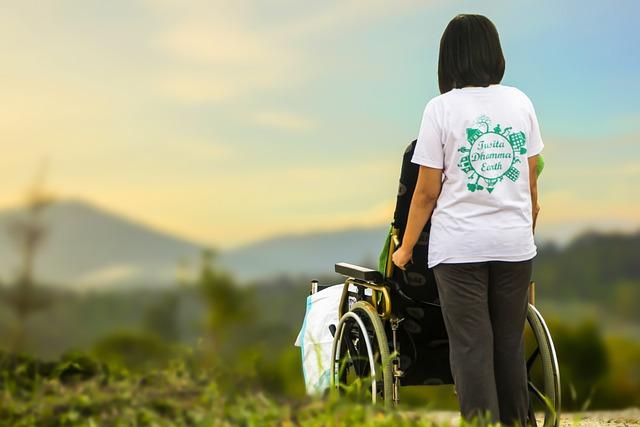
In the quest to enhance the response to intimate partner violence (IPV) and sexual violence, the Guyana health Professionals are focusing on implementing robust patient support and reporting mechanisms. By adopting best practices, healthcare providers can create a more supportive environment for victims and ensure their cases are handled systematically and sensitively.Effective strategies include:
- Training and Education: Continuous training for healthcare workers on the dynamics of IPV and sexual violence is essential. this includes understanding the psychosocial aspects and cultural sensitivities involved in patient interactions.
- Clear Reporting Pathways: Establishing streamlined reporting protocols that enable healthcare professionals to document incidents accurately while maintaining patient confidentiality and safety.
- Multi-Disciplinary Collaboration: Engaging with law enforcement, social services, and mental health professionals fosters a holistic approach to care, ensuring that victims receive comprehensive support.
- Patient-Centric Care: Focusing on the individual needs and preferences of victims nurtures trust and encourages them to seek help. This requires trained staff to listen empathetically and provide informed options.
To measure the effectiveness of these initiatives,ongoing assessment and feedback mechanisms are crucial. By implementing a framework for evaluation, healthcare facilities can adapt their practices according to the needs of the patients effectively. Below is an overview of key metrics to consider for evaluation:
| Metric | Description | Target Outcome |
|---|---|---|
| Patient Satisfaction Rates | Assessment of patients’ experiences with care | ≥ 85% satisfaction |
| Reporting Accuracy | Percentage of correctly documented incidents | ≥ 90% accuracy |
| Referral Timeliness | Time taken to refer patients to support services | Within 24 hours |
| Inter-Agency Partnerships | Number of active collaborations with local agencies | ≥ 5 active partnerships |
by prioritizing these best practices and consistently evaluating their effectiveness,Guyana Health Professionals can build a strong framework for supporting victims of IPV and sexual violence,ultimately paving the way for improved healthcare outcomes and the well-being of affected individuals.
Recommendations for Policy Improvement and Resource Allocation in Healthcare Settings


To enhance the medico-legal response to intimate partner violence (IPV) and sexual violence, it is crucial for policymakers to prioritize funding and resources in healthcare settings. Strengthening the capacity of health professionals to tackle these sensitive issues requires a multifaceted approach,emphasizing training,public health initiatives,and community outreach.
The following recommendations may guide effective policy-making and resource allocation:
- Tailored Training Programs: Develop comprehensive training for healthcare workers that includes legal literacy on IPV and sexual violence, cultural competency, and the psychological impact on victims.
- Interdisciplinary Collaboration: Facilitate cooperation between healthcare, law enforcement, and social services to create a holistic approach addressing the needs of victims.
- Public Awareness campaigns: Implement awareness initiatives aimed at educating the public about the resources available and the legal implications of IPV and sexual violence.
- Safe reporting Mechanisms: Establish confidential and safe reporting systems within healthcare facilities that encourage victims to seek help without fear of stigma or retribution.
Resource allocation should also include the following key areas:
| Area | Recommended Allocation |
|---|---|
| Training Workshops | 20% of annual healthcare budget |
| Community Outreach Programs | 15% of annual healthcare budget |
| Research and Growth | 10% of annual healthcare budget |
| Legal Support Services | 10% of annual healthcare budget |
By taking these steps, healthcare systems can improve the safety and well-being of victims while fostering an environment where healthcare professionals are equipped to address IPV and sexual violence with the urgency and sensitivity that these issues deserve.
The role of Community Engagement in preventing Violence and Supporting Survivors


The engagement of communities plays a pivotal role in addressing and preventing violence, especially intimate partner violence and sexual violence. By fostering a supportive environment, communities can actively contribute to changing attitudes and behaviors that perpetuate violence. This can be achieved through various avenues:
- Awareness Campaigns: Community-led initiatives can raise awareness about the signs of violence and the importance of seeking help.
- Support Networks: Establishing local support groups for survivors can provide a safe space for sharing experiences and resources.
- Education Programs: Workshops and training for community members on conflict resolution and healthy relationships can serve as preventive measures.
Furthermore, by encouraging the involvement of local leaders and organizations, communities can create a holistic approach to violence prevention. Grassroots movements can be incredibly impactful in transforming societal norms and promoting a culture of respect and accountability. Collaboration with health professionals, as demonstrated in the training supported by the pan American Health Organization, is essential for equipping communities with the tools to effectively respond to incidents of violence.
To illustrate the effectiveness of community engagement in violence prevention,consider the following table which outlines key components and their potential impacts:
| Component | Potential Impact |
|---|---|
| Community Workshops | Increase awareness and knowledge about intimate partner violence. |
| Peer Support groups | Provide emotional support and resources to survivors. |
| Public Awareness Campaigns | Challenge societal norms and encourage reporting of violence. |
Ultimately, fostering community involvement is not just about prevention; it is indeed also crucial in supporting survivors through their healing journey. By creating an environment of empowerment and understanding, communities can effectively reduce the stigma surrounding violence and amplify the voices of those affected.
Wrapping Up
the initiative taken by Guyana’s health professionals, under the guidance of the Pan American Health Organization, marks a significant step towards strengthening the contry’s response to intimate partner and sexual violence. By building capacity in the medico-legal realm, these professionals are not only acquiring crucial skills to address and manage such cases effectively but are also fostering a supportive environment for survivors. The collaborative efforts aimed at enhancing knowledge and developing practical strategies highlight the importance of an integrated approach in tackling these pervasive issues. As Guyana continues to invest in the training and empowerment of its healthcare workforce, the impact on survivor care and legal accountability can lead to a more just society. Continued support and momentum from health authorities, NGOs, and community stakeholders will be crucial in sustaining these advancements and fostering a safer environment for all individuals.