


In August 2019, news that President Donald Trump had expressed interest in purchasing Greenland—a vast, sparsely populated territory of Denmark—sent shockwaves across the globe. This unexpected proposal was met with bewilderment,skepticism,and even amusement,yet it underscored deeper geopolitical and economic considerations at play. As interest in the Arctic region grows due to climate change, resource accessibility, and strategic military positioning, the question of why Trump woudl pursue such an acquisition warrants closer examination. This article delves into the motivations behind Trump’s Greenland ambitions, exploring the past context, economic potential, and the implications of asserting American influence in this largely untouched territory. By unpacking the layers of this controversial proposal, we aim to shed light on the broader ramifications for international relations and the future of Arctic governance.
The Strategic importance of Greenland in U.S. Foreign Policy
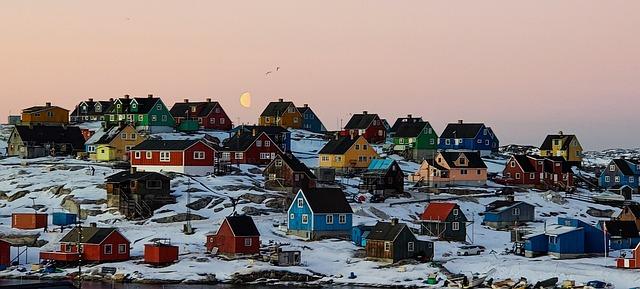
Greenland has long held a pivotal position in the geopolitical chessboard of the Arctic, making its acquisition a topic of interest for U.S. foreign policy. The island’s vast natural resources, including rare minerals, oil, and gas reserves, present an enticing opportunity for the United States. With climate change resulting in melting ice caps, the navigable waters of the Arctic are becoming increasingly accessible, promising new shipping routes that could significantly shorten global trade pathways.
Moreover, Greenland’s strategic location enhances U.S. military capabilities. It serves as a vital point for surveillance and defense, particularly against potential threats from rival nations like Russia and China, who are also vying for influence in the region. The following factors illustrate Greenland’s importance:
- Military presence: Greenland hosts Thule Air Base, the northernmost U.S. military installation, crucial for early warning radar systems and missile defense.
- Resource Acquisition: Rich deposits of valuable resources, including gold, uranium, and rare earth elements, could bolster the U.S. economy and reduce reliance on foreign imports.
- Climate Strategy: Control over the region could provide leverage in global discussions about climate policies and environmental protections.
Additionally, Greenland’s autonomous government is navigating a complex international landscape, balancing relations with Denmark, the U.S., and other nations. The island’s ability to maintain this autonomy while engaging in partnerships for infrastructural and economic development underscores the delicate balance in U.S. foreign policy. To put it in viewpoint, here is a brief overview of how Greenland intersects with U.S.interests:
| U.S. Interest | Implications for Greenland |
|---|---|
| Defense Strategy | Increased military investment may bolster local infrastructure. |
| Resource Exploitation | Potential job creation but risks environmental concerns. |
| International Relations | Stronger ties may enhance Greenland’s negotiating power with Denmark. |
Economic Opportunities: Natural Resources and trade Routes

The interest in Greenland extends beyond mere territorial acquisition; it taps into a wellspring of economic possibilities tied to its vast natural resources and strategic position along pivotal trade routes.The island is rich in minerals such as rare earth elements, which are crucial for modern technologies including smartphones, electric vehicles, and renewable energy systems. With the growing global emphasis on sustainability, the demand for these resources is expected to soar, potentially transforming Greenland into a significant supply hub.
Additionally, the melting polar ice caps are opening new shipping lanes that enhance the value of Greenland not just as a landmass, but as a critical juncture for trade. As Arctic ice diminishes, alternative routes such as the Northwest Passage become more navigable, drastically reducing travel time for shipping between major markets. Companies are increasingly considering these routes, highlighting the region’s emerging role in global trade dynamics. The economic implications abound, with benefits including:
- Reduced shipping times: Shorter routes translate to lower transportation costs.
- Increased access: Enhanced trade opportunities with emerging markets in Asia and beyond.
- Investment potential: Foreign investment in Arctic infrastructure can stimulate local economies.
Moreover, existing international interest in the Arctic region is likely to intensify as nations seek to capitalize on these emerging trade routes and resource deposits. The geopolitical landscape could shift dramatically if the economic potential of Greenland is fully realized, with countries vying for influence over this vital area. To illustrate the potential economic landscape, consider the following table:
| Resource | Potential Value | Current Use |
|---|---|---|
| Rare Earth Elements | Billions of dollars | Technology manufacturing |
| Oil Reserves | Trillions of dollars | Energy sector |
| Fish Stocks | Hundreds of millions | Global food supply |
Greenland’s unique combination of natural treasures and geographic advantages positions it as a focal point of future economic endeavors, sparking interest among world powers seeking to tap into its vast potential. The coming years will likely reveal how these factors will influence global interactions and the strategic imperatives behind interest in this icy expanse.
Environmental considerations: The Impact of Climate Change
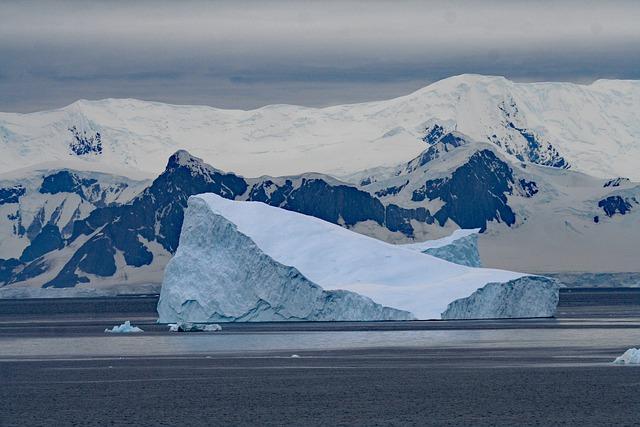
As global temperatures rise, the consequences of climate change are becoming increasingly evident, especially in vulnerable regions like Greenland. The island’s immense ice sheets are experiencing accelerated melting, contributing significantly to rising sea levels worldwide. The interest in Greenland from international powers, notably the United States, can partially be attributed to these environmental changes and the resulting geopolitical landscape.
Climate change is transforming the Arctic into a focal point for potential resource extraction and new shipping routes. The following factors underscore the urgent environmental considerations:
- Melting Ice Cores: The retreat of glaciers opens up areas previously inaccessible, inviting exploration for natural resources such as oil and minerals.
- New Shipping Lanes: As ice recedes, maritime routes are altering, offering shorter paths for global shipping that can enhance economic activity but also increase maritime risks.
- Indigenous Impact: Climate change threatens the traditional lifestyles of Indigenous populations, with habitat loss and changes to the ecosystem disrupting their way of life.
The prospect of extracting resources from Greenland’s thawing landscape emphasizes the necessity for sustainable practices and responsible governance. Climate change not only reshapes the physical geography of the region but also prompts discussions about ownership, stewardship, and the ethical implications of exploiting these changes for economic gain. Understanding the environmental ramifications is crucial for assessing the broader implications of geopolitical maneuvers surrounding Greenland.
Historical Context: Past Attempts and Geopolitical Significance

the american interest in Greenland traces back over a century, with various administrations expressing curiosity about the island’s strategic and economic potential.This interest peaked during World War II,when the U.S. established a military presence there, recognizing its geographical significance as a staging ground for operations in the North Atlantic. The island’s location also promises access to vital shipping routes, especially in light of climate change, which is melting Arctic ice and opening new passages.
Moreover, Denmark’s governance of Greenland has not stifled U.S. desires; rather, it has created a complex tapestry of geopolitical maneuvering. The establishment of military bases has historically been driven by the need to counter rival nations, particularly during the Cold War. The U.S. has shown eagerness to increase its influence in the arctic, as seen in:
- Military collaborations with local governments.
- Investment in research to exploit natural resources.
- Geological surveys to identify mineral deposits.
More recently, the Trump administration’s interest in acquiring Greenland exemplified a broader strategy aimed at solidifying U.S. presence in a region where Russia and China have been expanding their footprints.This ambition reflects not only a desire for resources but also the assertion of american dominance in a rapidly changing geopolitical landscape. The discussion around Greenland also sheds light on the larger conversation about Arctic governance and the future implications of such power dynamics.
| year | Event | Significance |
|---|---|---|
| 1941 | U.S. established military bases | Strategic foothold in North Atlantic |
| 1980s | Continued military presence during Cold War | Countering Soviet influence |
| 2019 | Trump’s interest in purchasing Greenland | Reignition of U.S. strategic interests |
Public Opinion: How Americans View the Idea of Acquiring greenland
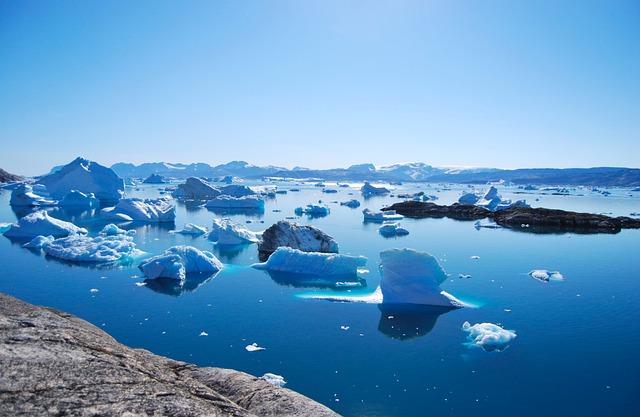
The notion of the United States acquiring Greenland has sparked mixed reactions among the American public, reflecting a blend of curiosity, skepticism, and jest. Polls conducted as the revelation of President Trump’s interest in the territory have revealed a range of perspectives, with many respondents expressing a sense of amusement rather than serious contemplation. For some, the idea evokes a sense of adventure and the potential for expansion, while others view it as a frivolous pursuit.
Surveys indicate that public opinion can be categorized into several notable themes:
- Curiosity: Many Americans find the concept intriguing and are open to discussions about the strategic benefits Greenland could offer.
- Humor: A significant portion of the population treats the topic satirically, comparing it to a whimsical real estate venture.
- Skepticism: There are concerns regarding the legitimacy and implications of such an acquisition, with critics labeling it as an unrealistic endeavor.
| Viewpoint | Percentage |
|---|---|
| Curiosity | 35% |
| Humor | 30% |
| Skepticism | 25% |
| Indifference | 10% |
Additionally, generational differences play a significant role in shaping opinions on this matter. Younger Americans tend to engage with the idea through a lens of curiosity, frequently enough discussing the implications of such a move in the context of climate change, trade routes, and geopolitical strategy. Conversely, older generations may focus more heavily on historical precedents and the seriousness of negotiations in international diplomacy. the idea of acquiring Greenland continues to provoke debate, capturing the American imagination—whether in earnest or with a wry sense of humor.
Future Recommendations: Engaging Greenland through Diplomacy and Partnership
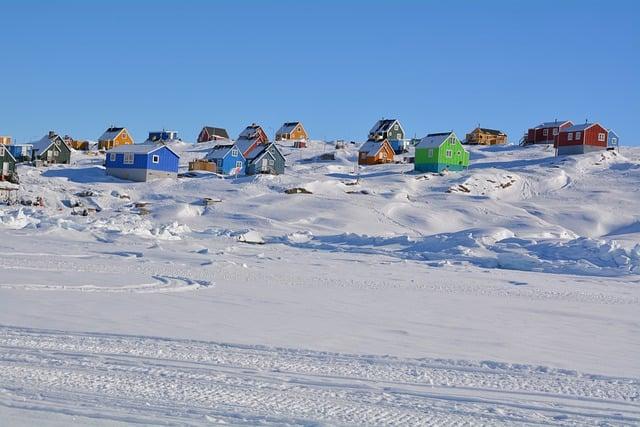
To foster a constructive relationship with Greenland, the United States should prioritize diplomatic engagement and long-term partnerships that respect the autonomy and cultural heritage of the Greenlandic people.A primary focus should be on the mutual benefits of cooperation, which can pave the way for sustainable development and greater regional stability. By recognizing and supporting Greenland’s aspirations for economic independence, the U.S. can build trust and mutual respect.
Key strategies for engagement could include:
- Cultural Exchange Programs: Promoting educational and cultural exchanges that highlight Greenlandic history and traditions.
- Joint Research Initiatives: Collaborating on scientific research in areas such as climate change, biodiversity, and sustainable energy.
- Investment in Infrastructure: Providing support for the development of critical infrastructure that aligns with Greenland’s developmental goals.
- Bilateral Trade agreements: Establishing trade frameworks that benefit both nations economically while respecting Greenland’s local industries.
Moreover, it is essential to create platforms for ongoing dialog where stakeholders from both Greenland and the U.S. can share perspectives and innovations. Engaging with Indigenous voices in decision-making processes will also enhance the legitimacy of efforts aimed at partnership. Achieving success in this endeavor is not solely about securing resources but about cultivating a relationship that honors sovereignty and partnership.
| Partnership Focus | Potential Outcomes |
|---|---|
| Environmental Cooperation | Eco-friendly resource management and preservation of natural habitats. |
| Economic Development | Creation of jobs and diversification of Greenland’s economy. |
| Cultural Preservation | Enhancing recognition of Greenlandic culture and heritage. |
Key Takeaways
the persistent interest exhibited by former President Donald Trump in acquiring Greenland underscores a complex interplay of geopolitical strategy,economic potential,and national pride. While his proposals have often been dismissed as whimsical or even impractical, they provoke serious discourse about the value of territory, resources, and international relationships in an increasingly competitive global landscape. As arctic interests intensify and the effects of climate change alter the region’s strategic significance, understanding Trump’s motivations offers insight not only into his administration’s foreign policy ambitions but also into the evolving dynamics of international diplomacy.The dialogue surrounding Greenland, therefore, is not merely about land; it encapsulates broader themes of nationalism, security, and the enduring quest for influence on the world stage. As future developments unfold,the implications of this interest will likely resonate in diplomatic corridors and beyond,marking a critical chapter in contemporary American policy.











