

In a landmark decision that marks a significant stride for LGBTQ+ rights in the Caribbean, the High Court of Antigua and Barbuda has decriminalized consensual same-sex relations, a long-sought change championed by human rights advocates. This ruling, which overturns decades-old colonial-era laws criminalizing homosexuality, represents not only a legal victory but also a profound shift in societal attitudes towards sexual orientation in the dual-island nation. Human Rights Watch has hailed the decision as a pivotal step toward greater equality and dignity for all citizens, highlighting its potential to inspire similar reforms across the region. As Antigua and Barbuda joins the growing global movement for LGBTQ+ rights,the implications of this ruling extend beyond legal texts,signaling a new era of acceptance and human rights advocacy in the Caribbean.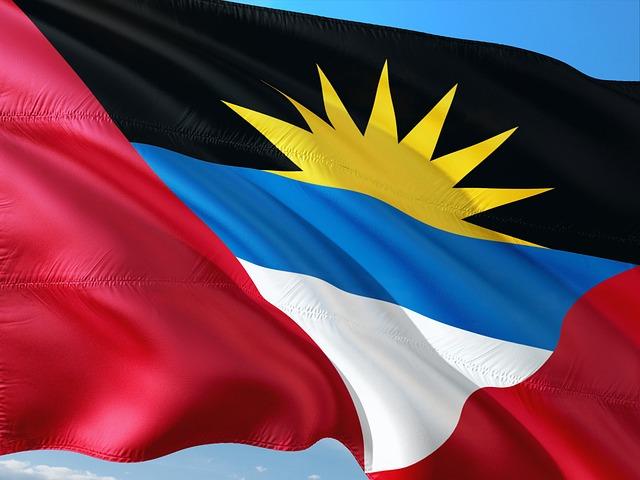

Antigua and Barbuda High Court Ruling Marks Milestone for LGBTQ+ Rights
The recent ruling by Antigua and barbuda’s High Court marks a historical turning point for the LGBTQ+ community,effectively decriminalizing consensual same-sex relations in the contry. This judicial decision not only restores dignity to countless individuals who have faced discrimination but also sets a precedent for a broader acceptance of human rights in the Caribbean region.
Key aspects of the ruling include:
- Legal Recognition: The court acknowledged that laws penalizing consensual same-sex relationships violated essential human rights.
- Social Progress: This decision reflects a growing recognition of the importance of inclusivity and respect for diversity within Caribbean societies.
- Policy implications: The ruling may encourage other nations in the region to reconsider similar colonial-era laws, fostering a more supportive environment for LGBTQ+ individuals.
The implications extend beyond legal terminology; they represent a significant shift in societal attitudes towards sexual orientation. Activists have long advocated for change, highlighting the importance of LGBTQ+ rights as an integral part of human rights. In light of this ruling, ther is renewed hope for policy changes that could enhance the lives of LGBTQ+ individuals in Antigua and Barbuda.
As the Caribbean grapples with issues of equality, this landmark ruling may serve as a catalyst for further progress. Legal frameworks built on respect and freedom not only uplift the marginalized but also strengthen societal bonds, proving that acceptance benefits everyone.

Legal Implications of Decriminalizing Same-Sex relations in the Caribbean
The landmark ruling by the High Court of Antigua and Barbuda not only marks a significant shift in the legal landscape for LGBTQ+ rights in the Caribbean but also raises several significant legal implications. The decriminalization of same-sex relations fundamentally challenges the historical prohibitions that have long existed in many Caribbean nations, rooted in colonial-era legislation. The implications of this ruling extend beyond mere societal acceptance; they encompass a broader reassessment of human rights, legal protections, and the role of the government in private citizens’ lives.
One of the most immediate implications is the potential for reform in existing laws across the Caribbean region. Countries that maintain similar laws may reconsider their stances in light of this ruling, potentially leading to a domino effect. Key considerations include:
- Legal Precedents: The ruling may set a judicial precedent for future cases related to discrimination and human rights, encouraging more inclusive interpretations of law.
- Human Rights Compliance: Governments may face increased pressure from international bodies to comply with human rights standards, potentially leading to further reforms.
- Legal Vulnerability: Implementation of anti-discrimination laws could help protect LGBTQ+ individuals from hate crimes and discrimination, addressing legal vulnerabilities in rest of the Caribbean.
Moreover, the ruling could influence public policy discussions, prompting governments to engage in dialogue about equality and human rights protections. As nations assess their legal frameworks, it becomes essential to consider how laws addressing hate speech, discrimination, and marriage equality might evolve. Below is a summary of potential legal changes:
| Area of Law | Potential Changes |
|---|---|
| Anti-Discrimination | Introduction of comprehensive legal protections for LGBTQ+ individuals |
| Marriage Laws | Consideration of same-sex marriage legalization |
| Hate Crimes Legislation | Inclusion of sexual orientation as a protected characteristic |
Ultimately, the legal ramifications of this ruling extend far beyond Antigua and barbuda, offering a voice of hope and equality to many within the Caribbean community. As more countries examine the implications of decriminalization, a pivotal opportunity arises to foster inclusive legal frameworks that embrace diversity and further human rights for all.
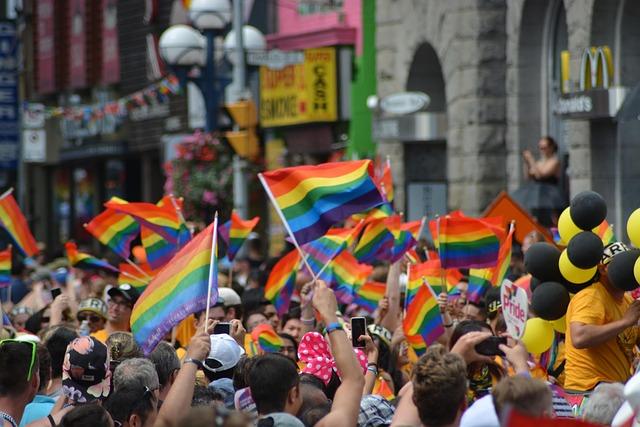
Impact on Public Perception and Social attitudes Toward LGBTQ+ Communities
The recent ruling by the High Court in Antigua and Barbuda has generated significant discourse surrounding LGBTQ+ rights and societal values within the Caribbean region. Many see this landmark decision as a crucial step toward advancing human rights, fostering inclusivity, and shaping a more progressive public perception.The decriminalization of gay sex signifies a shift away from antiquated laws that stigmatized LGBTQ+ identities, potentially encouraging broader acceptance among the populace.
Changes in legislation frequently enough serve as a catalyst for evolving social attitudes. In Antigua and Barbuda,this ruling could promote greater visibility for LGBTQ+ individuals and empower community members to engage more openly in societal discussions. Several factors may influence this change:
- Increased Awareness: The court’s decision is highly likely to catalyze campaigns aimed at educating the public about LGBTQ+ rights, challenging stereotypes, and reducing discrimination.
- role Models: As public figures and activists begin to advocate for LGBTQ+ rights, their visibility can inspire others, promoting acceptance and normalizing diverse identities.
- Community Support: Expanded support networks, such as local organizations and international allies, will likely emerge, fostering a sense of belonging for LGBTQ+ individuals.
This transformation in public perception may also contribute positively to the nation’s image on the international stage. By embracing these changes, Antigua and Barbuda can position itself as a more welcoming destination for tourism and investment, highlighting its commitment to human rights and equality. The ripple effects of this ruling will undoubtedly be felt across the Caribbean, challenging neighboring countries to reconsider their own policies and social attitudes toward LGBTQ+ communities.


Recommendations for Policymakers to Strengthen Protections for Gay Rights
In light of the recent ruling by the High Court in Antigua and Barbuda, there is a critical opportunity for policymakers to enhance protections for LGBTQ+ rights. To foster a more inclusive society, the following actions should be considered:
- Comprehensive Anti-Discrimination Laws: Implement and enforce laws that prohibit discrimination based on sexual orientation and gender identity in employment, housing, and public accommodations.
- Education and Awareness Campaigns: Launch campaigns aimed at combating stigma and misinformation related to LGBTQ+ individuals, focusing on respect and understanding within communities.
- Support for LGBTQ+ Organizations: Provide funding and resources to local organizations that advocate for and support LGBTQ+ rights, ensuring they can effectively address community needs.
- Law Enforcement Training: Train law enforcement personnel on LGBTQ+ issues to ensure respectful and fair treatment, encouraging reporting of hate crimes without fear of discrimination.
| Policy Recommendation | Description |
|---|---|
| Legal Reforms | Enact laws that guarantee equal rights and protections under the law for LGBTQ+ individuals. |
| Judicial Education | facilitate training for judges and legal professionals on LGBTQ+ rights and related legal challenges. |
| Health Care Access | Ensure accessible and inclusive health care services that cater to the specific needs of LGBTQ+ individuals. |
By prioritizing these recommendations, leaders in Antigua and Barbuda can pave the way for a more equitable society, ensuring that the decriminalization of gay sex translates into broader advancements for gay rights in the Caribbean region.


Human Rights Watch Response and Broader Implications for Regional Activism
The recent ruling by the High Court in Antigua and Barbuda to decriminalize consensual same-sex relations marks a significant turning point for LGBTQ+ rights in the Caribbean. This decision has been met with strong support from advocacy groups such as Human Rights Watch, which emphasizes the broader implications of this development for regional activism. By setting a legal precedent, the court’s ruling paves the way for further reforms across the Caribbean, where many nations still uphold colonial-era laws that discriminate against LGBTQ+ individuals.
In their response, Human Rights Watch highlighted several key advantages of this landmark ruling:
- Legal Recognition: Provides a framework for future protections against discrimination based on sexual orientation.
- Inspiration for Activism: Encourages activists in neighboring countries to mobilize and advocate for similar changes.
- International Attention: Aligns Antigua and barbuda with global human rights standards,potentially attracting tourism and investment.
Moreover, this decision can catalyze a shift in public perception regarding LGBTQ+ rights.Grassroots organizations and international partners can leverage this moment to educate communities and foster dialogue, breaking down long-standing stigmas. It is indeed a reminder that while legal changes are crucial, accompanying social change is equally critically important. As such, activists can focus on:
- Community Engagement: Creating safe spaces for LGBTQ+ individuals to share their experiences.
- Educational Programs: Promoting awareness and understanding of LGBTQ+ issues in schools and local institutions.
- Coalition Building: Forming alliances with other human rights organizations to strengthen advocacy efforts.
As this ruling resonates throughout the region, it stands as a testament to the power of sustained activism and the ongoing struggle for equality. The efforts of local and international organizations will be paramount in ensuring that this victory leads to tangible benefits for LGBTQ+ individuals across the Caribbean.

Next Steps for Advocacy Groups Following Landmark decision in Antigua and Barbuda
In the wake of the recent High Court ruling in Antigua and Barbuda that decriminalizes gay sex, advocacy groups must pivot quickly to harness momentum and advocate for broader LGBTQ+ rights in the region. This landmark decision opens the door for significant discussions and actions surrounding human rights and equality, and organizations should prioritize their next steps carefully.
Key strategies for advocacy groups moving forward may include:
- Community Outreach: engage local communities to raise awareness about the ruling and educate them on LGBTQ+ rights,dispelling myths and fostering understanding.
- Policy Advocacy: Collaborate with lawmakers to draft legislation that protects and expands the rights of LGBTQ+ individuals, ensuring they are enshrined in law to prevent future discrimination.
- Support Networks: Establish or strengthen support groups and resources for LGBTQ+ individuals to provide safe spaces and mental health assistance.
- international Collaboration: Partner with international human rights organizations to amplify voices and gain additional resources and visibility on a global platform.
Furthermore, measuring the impact of this ruling and the subsequent advocacy efforts will be crucial. Establishing a framework for tracking changes in public perception, legal reforms, and community support can help maintain momentum. The table below suggests potential metrics to monitor progress:
| Metric | Purpose | Frequency of Evaluation |
|---|---|---|
| Public Opinion Surveys | To assess changing attitudes towards LGBTQ+ rights | Biannual |
| Legislation Tracking | Monitor progress of proposed bills affecting LGBTQ+ rights | Quarterly |
| Community Engagement Metrics | Evaluate participation in support programs and events | Monthly |
| Partnership Development | Track new collaborations with local and international organizations | Annual |
By employing these strategies and utilizing metrics to gauge success, advocacy groups can effectively navigate the post-decriminalization landscape, pushing for meaningful change and promoting the fundamental rights of all individuals in Antigua and Barbuda.
The Conclusion
the recent ruling by Antigua and Barbuda’s High Court to decriminalize consensual same-sex relations marks a significant step forward for LGBTQ+ rights in the Caribbean. this landmark decision not only reflects the growing recognition of human rights in the region but also underscores the importance of judicial independence in championing equality and dignity for all individuals,regardless of their sexual orientation. As advocates continue to push for broader reforms, this development offers hope for a more inclusive society where diversity is celebrated rather than criminalized. The journey toward full equality is ongoing,but with this ruling,Antigua and Barbuda has taken a critical stride toward ensuring that all citizens can enjoy the freedoms and protections guaranteed by law. As the international community watches closely, the eyes of many will remain on the Caribbean’s evolving landscape of human rights.