Exploring mount Rushmore National Memorial: A Testament to American History and Artistry
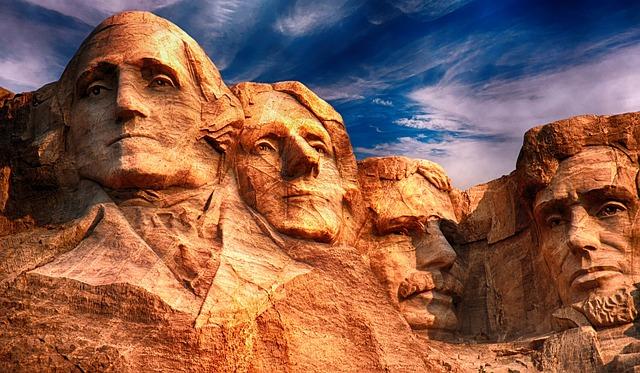
Nestled in the heart of the Black Hills of South Dakota, Mount Rushmore National Memorial stands as an iconic tribute to four of the United States’ most influential presidents: George Washington, Thomas Jefferson, Theodore Roosevelt, and Abraham Lincoln. Carved into the granite face of the mountain, this monumental work of art not only showcases the remarkable vision and skill of sculptor Gutzon Borglum but also encapsulates pivotal moments and ideals that define the American experiance. Managed by the U.S. National Park Service, Mount Rushmore attracts over three million visitors annually, each drawn by it’s grandeur and the rich narratives interwoven into its history. In this article, we delve into the memorial’s significance, its artistic legacy, and the ongoing efforts to preserve this national treasure for future generations.
Exploring the Historical Significance of Mount Rushmore
Mount Rushmore national Memorial is not merely a stunning work of art; it encapsulates the rich tapestry of American history and identity. Commissioned in the 1920s and sculpted over a span of 14 years, the monument features the colossal faces of four prominent presidents: George Washington, Thomas Jefferson, Theodore Roosevelt, and Abraham Lincoln. These figures were chosen to represent key ideals in American history, symbolizing values such as freedom, democracy, and unity. This monumental project was intended to boost tourism in the Black Hills region, showcasing America’s pioneering spirit and the breathtaking beauty of its landscapes.
The creation of Mount Rushmore came during a time of social and political upheaval in the united States. The roaring twenties were marked by economic prosperity, yet the nation faced deep divisions leading to the Great Depression. By immortalizing these leaders, the sculpture aimed to inspire national pride and resilience. Each president reflects a particular era and set of ideals that shaped the United States:
- George Washington: Founder of the nation and champion of independence.
- Thomas Jefferson: Advocate for democracy and author of the Declaration of Independence.
- Theodore Roosevelt: Progressive leader who expanded America’s global presence.
- Abraham lincoln: Emancipator who preserved the Union during the Civil War.
| President | Era | Significance |
|---|---|---|
| George Washington | 1789-1797 | First President, set precedents for future leaders. |
| Thomas Jefferson | 1801-1809 | Authored Declaration, expanded the nation. |
| Theodore Roosevelt | 1901-1909 | Promoted conservation and the Panama Canal. |
| Abraham Lincoln | 1861-1865 | Led through civil War, preserved the Union. |
Today, Mount Rushmore stands not just as a monument but as a reminder of the complexities inherent in the American narrative. Its construction was steeped in controversy, particularly concerning the impact on Indigenous peoples And the land that was sacred to them. The black Hills, where Mount Rushmore is located, are considered by many Native American tribes, particularly the Lakota Sioux, to be sacred territory. The appropriation of this land-taken after the Black Hills Gold Rush in the 1870s-has led to ongoing legal and political disputes,which emphasize the tension between national pride and historical injustices.
The monument’s grandeur is frequently enough celebrated, yet it simultaneously represents a painful chapter in the history of the United States. As visitors marvel at the carved faces of the presidents, this duality offers an opportunity for reflection: to appreciate the ideals represented while acknowledging the historical context and the need for reconciliation with Indigenous communities.
Moreover, Mount Rushmore serves as an emblem of America’s conflicting values. While it honors the principles of liberty and democracy, it also raises questions about who is included in the country’s narrative. The lack of representation for Native American voices in this national icon serves as a poignant reminder of the ongoing struggles for recognition and justice faced by Indigenous peoples across the nation.
Mount Rushmore National Memorial is not solely a testament to four meaningful leaders but also a complex symbol of American ideals and the histories that shape them. Its presence continues to ignite conversations about heritage, representation, and the commitment to a more inclusive understanding of what it means to be American. As the nation evolves, so too does the interpretation of this iconic monument, challenging us to recognize and honor the multifaceted stories that contribute to the American experience.
Visitor Experience and Recommended Tours at Mount Rushmore
exploring mount Rushmore National Memorial is an unforgettable experience steeped in history and stunning natural beauty. Visitors can start their journey at the Visitor Center, where interactive exhibits reveal the stories behind the monumental sculpture. The Sculptor’s Studio offers insight into Gutzon Borglum’s creative process and showcases tools used to carve the granite faces of Presidents Washington, Jefferson, Lincoln, and Theodore Roosevelt. Make sure to allocate time to walk the Presidential Trail,a paved path that provides unparalleled views of the memorial and its surrounding landscape.
For those looking to enhance their visit, the following tours are highly recommended:
- Guided Tours: Expert park rangers lead engaging tours that share engaging anecdotes about the memorial’s creation and significance.
- Evening Lighting Ceremony: Witness the illumination of the monument at dusk, followed by a heartfelt program that honors the ideals of American democracy.
- cultural Programs: Participate in programs that delve into the history and culture of the lakota Sioux, providing a broader context to the memorial’s backdrop.
| Tour Type | Duration | Time |
|---|---|---|
| Guided Tours | 1 hour | Hourly from 9 AM – 5 PM |
| Evening Lighting Ceremony | 1.5 hours | Starts at sunset |
| Cultural Programs | 45 minutes | Check daily schedule |
Each of these experiences invites visitors to connect with the monumental artistry and history, making Mount Rushmore not just a site to see, but a journey into America’s evolving narrative. Whether you’re capturing photos at the Grand View Terrace or engaging with knowledgeable rangers, every moment spent at Mount Rushmore adds depth to your understanding of this iconic landmark.
Preservation Efforts and the Future of the National Memorial
The preservation of Mount Rushmore National Memorial is of paramount importance to ensure its safety and integrity for future generations. Ongoing efforts involve a blend of scientific research, restoration techniques, and public engagement aimed at maintaining the monumental granite faces carved into the Black Hills. With the natural elements posing a relentless threat, the National Park Service has implemented various strategies, including:
- Regular Monitoring: Utilizing advanced technology to assess the condition of the monument.
- Weather-Resistant Coatings: Applying protective layers to shield the sculptures from moisture and other corrosive agents.
- Educational Programs: Engaging visitors through workshops and guided tours focussed on conservation efforts.
In the coming years, the National Park service envisions an expanded focus on sustainability, looking to incorporate eco-amiable practices throughout the preservation process. This includes:
| Initiative | Description |
|---|---|
| Renewable Energy Use | Utilizing solar panels to power visitor facilities. |
| Wildlife Habitat Restoration | Enhancing surrounding ecosystems to support local fauna. |
| Waste Reduction Programs | Implementing recycling and composting initiatives in the park. |
Through these efforts, there is a concerted aim not only to preserve the artistic legacy of the memorial but also to foster a deeper understanding of environmental stewardship among visitors. By marrying historical reverence with modern sustainability practices, the future of Mount Rushmore can remain a site of wonder and reflection for generations to come.
Practical Tips for Planning Your Visit to Mount Rushmore National Memorial
When planning your visit to Mount Rushmore National Memorial, consider the season and time of day to enhance your experience. Spring and fall offer milder temperatures and fewer crowds, making them ideal for a leisurely visit. Summer is the peak season, where you can enjoy extended hours and ranger-led programs, but prepare for larger crowds. Aim to arrive early in the day or later in the afternoon to catch stunning golden hour views of the monument.
It’s essential to prepare for various weather conditions, as the Black Hills can experience rapid changes. Dress in layers and bring a rain jacket just in case. Also, remember to bring plenty of water and snacks, especially if you plan to hike the nearby trails. Here’s a quick checklist of essentials:
- Pleasant walking shoes: Perfect for exploring the pathways.
- Sunscreen and sunglasses: Protect yourself from the sun’s rays.
- A camera: Capture the magnificent views.
- Maps and brochures: Available at the visitor center for navigating the area.
| Time of Year | Average Temperature | Crowd Levels |
|---|---|---|
| Spring | 50°F – 70°F | moderate |
| Summer | 70°F – 90°F | High |
| Fall | 40°F – 70°F | Moderate |
| Winter | 20°F – 40°F | Low |
don’t forget to check the official website for any updates on park hours, ticketing, and special events. By planning ahead and staying informed, you can make the most of your extraordinary visit to this iconic American landmark.
The Way Forward
Mount Rushmore National Memorial stands as a monumental tribute to American history, culture, and artistry, drawing millions of visitors each year to its awe-inspiring granite faces.Through the remarkable vision of sculptor Gutzon Borglum and the collaborative efforts of numerous workers, this iconic landmark not only reflects the nation’s past but also continues to inspire future generations. As part of the U.S. National Park Service, Mount Rushmore offers visitors a chance to explore its rich narratives and breathtaking surroundings, reminding us of the enduring ideals and principles upon which the United States was founded. Whether you are an avid historian, a nature enthusiast, or simply looking for a profound experience, a visit to Mount Rushmore is sure to leave a lasting impression, making it a must-see destination on any American journey. For further facts on visiting and exploring this national treasure,be sure to consult the national Park Service’s official resources.