

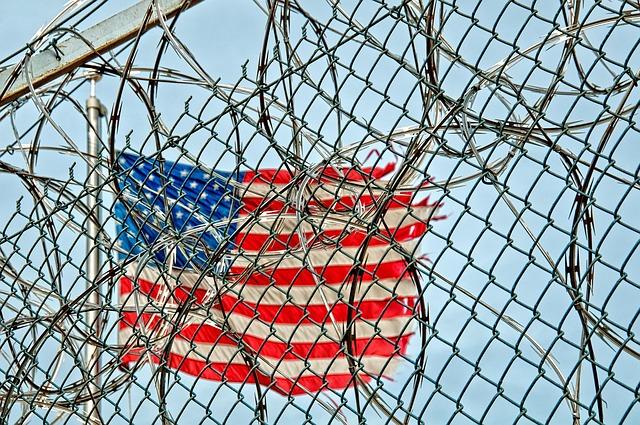
In the annals of American history,few events cast as dark a shadow as the incarceration of Japanese Americans during World War II. Following the attack on Pearl Harbor in December 1941,fear and suspicion quickly clouded public perception of Japanese americans,leading to one of the most egregious violations of civil rights in U.S. history. In a matter of months,over 120,000 individuals,most of whom were U.S. citizens, were forcibly removed from their homes and detained in internment camps across the country. The National Archives plays a crucial role in preserving the ancient record of this troubling chapter, offering a wealth of documents, photographs, and personal testimonies that illuminate both the experiences of those affected and the broader implications for civil liberties and human rights. This article explores the archival resources available at the National Archives, delving into the stories of resilience, injustice, and ultimately, the ongoing quest for redress that defines the legacy of Japanese-American incarceration.
Understanding the Historical Context of Japanese-American Incarceration During world War II
The incarceration of Japanese-Americans during World war II was not just a reaction to the events surrounding the attack on pearl Harbor in December 1941,but rather a culmination of longstanding racial prejudices and xenophobia.Following Japan’s entry into the war, the U.S. government viewed those of Japanese descent with suspicion, despite the fact that the majority of Japanese-Americans were U.S. citizens. This surroundings of fear led to the unjust decision to forcibly relocate around 120,000 individuals, two-thirds of whom were American citizens, into internment camps across the country. Their removal was sanctioned by Executive Order 9066, signed by President Franklin D. Roosevelt, highlighting how wartime hysteria can often override civil liberties in times of national crisis.
The consequences of these actions were profound and lasting, as Japanese-American families faced the loss of homes, businesses, and cultural ties while living under harsh conditions in makeshift camps. Conditions in these camps varied, but many experienced overcrowding, inadequate facilities, and a loss of dignity. A government-sanctioned narrative portrayed these individuals as potential spies or traitors, exacerbating the stigma against them. In an effort to combat this narrative and reclaim their agency, many Japanese-Americans served bravely in the U.S. military during the war, notably in units such as the 442nd Regimental Combat Team.This experience speaks volumes about the resilience and loyalty of Japanese-Americans,challenging the very stereotypes and injustices that sought to confine them.
Exploring the Impact on Communities and Families affected by Internment
The forced relocation and incarceration of Japanese-Americans during World war II caused profound and lasting effects on communities and families. Displacement disrupted lives, as individuals were uprooted from their homes, jobs, and social networks. Entire neighborhoods that once thrived on the tapestry of diverse cultures found themselves silent and bleak. For many families, this meant not only loss of property but also the erosion of community support structures that fostered resilience and identity. The psychological toll was immense, leaving deep scars that would echo thru generations.
Additionally, the experience of internment fostered a sense of mistrust and alienation. Within the camps, families were often packed into cramped quarters and forced to navigate a challenging environment filled with uncertainty. Many faced dilemmas of loyalty; questions arose about their identity as Americans when the government practically labeled them as enemies. Key impacts included:
- Loss of property and assets without compensation
- Disruption of educational opportunities for children
- Generational trauma influencing cultural narratives
These experiences contributed to a widespread silence among survivors,often leading them to conceal their past as a means of coping with the stigma attached to their incarceration. Understanding these impacts helps illuminate the complexities of American history and the ongoing quest for justice and recognition of the injustices faced by the Japanese-American community.
Examining Government Policies and Legal Justifications for Incarceration
The incarceration of Japanese-Americans during World War II was notably justified by the U.S. government through a combination of perceived national security threats and legal frameworks. Following the attack on Pearl Harbor, widespread fears of espionage and sabotage led to important anti-Japanese sentiment across the country. This environment allowed the government to implement measures that were later rationalized under the guise of military necessity. Key policies included Executive Order 9066, which authorized the Secretary of War to designate military areas from which any or all persons could be excluded. This directive effectively paved the way for the forced relocation and internment of over 120,000 Japanese-Americans,two-thirds of whom were U.S. citizens.
Legal justifications for these actions were further reinforced by court rulings which consistently upheld the government’s decisions during this tumultuous period. The most notable is the 1944 Supreme Court case Korematsu v. United States, wherein the Court controversially ruled that the exclusion order was a wartime necessity to protect national security. However,this decision has since faced extensive criticism for its failure to adequately protect individual rights and for legitimizing racial discrimination under the auspices of national security. The consequences of these policies have reverberated through history, prompting ongoing discussions about civil liberties in times of crisis and posing critical questions about the balance between security and freedom.
Recommendations for Education and Remembrance Initiatives in Contemporary America
To foster a deeper understanding of the Japanese-American incarceration during World War II, educational initiatives should emphasize collaboration between schools, museums, and local communities. Schools can incorporate comprehensive lesson plans that cover the historical context, personal narratives, and social justice implications of this period. It is essential to promote field trips to relevant sites and museums, allowing students to engage with their history in a tangible manner. Local community events, such as speaker series featuring historians, survivors, and activists, can also create spaces for dialogue and reflection.
Additionally, remembrance initiatives should prioritize inclusivity and participation from diverse groups. Suggested actions include:
- Public Workshops: Organizing workshops that explore themes of resilience and injustice while inviting participants to share their reflections.
- Art Exhibitions: Hosting art exhibitions that showcase works by Japanese-American artists, highlighting both historical narratives and contemporary perspectives.
- Digital Archiving: Creating online platforms where stories and experiences can be shared, preserved, and accessed by a wider audience.
These strategies not only ensure that the history of Japanese-American incarceration is remembered but also cultivate a broader commitment to justice and equity in contemporary society.
Closing Remarks
the Japanese-American incarceration during World War II serves as a poignant reminder of the fragility of civil liberties in times of crisis. The National archives’ extensive documentation and resources illuminate the experiences of those who endured unjust confinement based solely on their ancestry, offering invaluable insights into a dark chapter of American history. As we reflect on these events, it becomes imperative to remember the lessons learned from this period, reinforcing the need to safeguard basic rights for all individuals, regardless of their background. The ongoing exploration of these historical records not only honors the resilience of the japanese-American community but also prompts critical discussions about equity, justice, and the importance of vigilance in protecting civil liberties in the face of adversity. The stories documented within these archives continue to resonate today, urging us to confront the realities of discrimination and strive toward a more inclusive society. As we move forward, let us ensure that the past informs our present and future, fostering a commitment to justice and understanding for all.











