

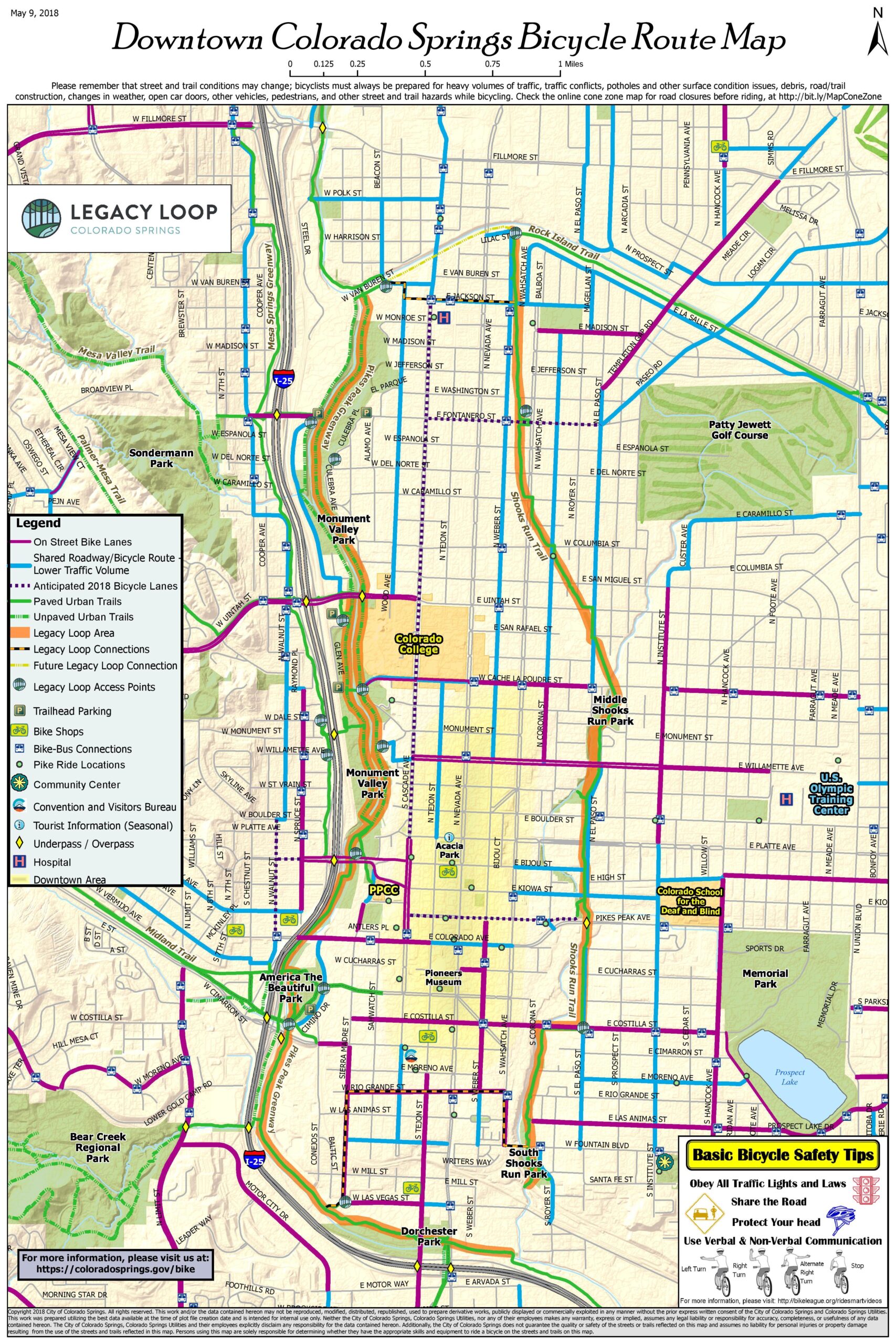
The Colorado Department of Transportation (CDOT) offers a complete Colorado Bicycling Map designed to enhance the cycling experience for both residents and visitors. this official resource provides detailed details on bike routes, trails, and safety guidelines across the state, helping riders navigate ColoradoS diverse terrain with confidence. As cycling continues to grow in popularity, the CDOT’s map serves as an essential tool for promoting safe, accessible, and enjoyable bicycling throughout Colorado’s urban and scenic landscapes.
Understanding the scope and Features of the Colorado Bicycling Map
The Colorado Bicycling map,developed by the Colorado Department of Transportation,serves as a comprehensive resource tailored for cyclists ranging from casual riders to seasoned adventurers. This digital map covers an expansive network of cycling paths, bike lanes, and mountain trails, offering users detailed insights into terrain difficulty, elevation changes, and surface conditions. By integrating GIS data, the platform presents real-time updates on trail closures and road work, ensuring riders can plan routes with safety and convenience in mind.
Key features include:
- Interactive Route Planning: Customize rides by distance, elevation, and scenic value.
- Bike-Friendly Amenities: Locations of repair stations, water fountains, and rest stops.
- Multi-Modal Connectivity: Links to transit hubs and bike-share programs for seamless travel.
- Accessibility Information: Routes suitable for adaptive cycling and families.
| Feature | description | Benefit |
|---|---|---|
| Elevation profiles | Detailed gradients along bike routes | Helps cyclists prepare for challenging climbs |
| Trail Status | Real-time updates on trail access | Ensures safe and uninterrupted travel |
| Layer Options | Toggle between road, trail, and satellite views | Provides versatile perspectives for navigation |
Key Routes and Scenic Trails Highlighted by the Colorado department of Transportation
The Colorado Department of Transportation (CDOT) has meticulously mapped out a variety of key routes and scenic trails that showcase the state’s diverse landscapes, from rugged mountain passes to serene river valleys. These routes are designed not only to offer challenging rides for seasoned cyclists but also accessible paths for casual riders and families. Among the highlights are the Front Range Trail,which connects urban centers with expansive open spaces,and the Grate Parks Bicycle Route,traversing multiple national parks and forests. CDOT emphasizes safety and accessibility, ensuring that marked bike lanes, signage, and rest stops are strategically placed throughout these corridors.
beyond paved paths, the map also features stunning off-road trails rich in natural beauty and wildlife sightings. The San Juan Skyway Scenic Byway, as a notable example, offers majestic alpine views coupled with past mining towns for a uniquely Colorado experience. Additionally,urban cycling routes in Denver and Boulder are integrated into the network,encouraging eco-friendly transit options while linking residents to recreational areas. To help cyclists plan their adventures efficiently, CDOT provides detailed overlays that include elevation profiles, surface types, and nearby amenities:
| Route Name | Distance (Miles) | Surface | Difficulty Level |
|---|---|---|---|
| Front Range Trail | 220 | Mixed (Asphalt & Gravel) | Moderate |
| San Juan Skyway | 236 | Asphalt | Challenging |
| Great Parks Bicycle Route | 480 | Asphalt | varied |
| Denver Urban Loop | 30 | Asphalt | Easy |
Safety Tips and Accessibility Considerations for Colorado Cyclists
When cycling across Colorado’s diverse terrain, visibility is paramount. Riders should wear shining or reflective clothing, especially during dawn, dusk, or nighttime rides, to ensure they are easily seen by motorists. Helmets are mandatory and provide crucial protection in the event of a fall or collision. Additionally, equipping bicycles with front and rear lights, along with reflective tape, increases safety and helps comply with state regulations.Awareness of weather conditions is essential-Colorado’s mountain roads can become slippery or foggy,so adjusting your riding speed and wearing layered,moisture-wicking clothes can make a meaningful difference.
Accessibility remains a priority for inclusive cycling opportunities throughout the state. Trails and bike lanes designed with varying abilities in mind feature smooth surfaces and gentle gradients, making them suitable for adaptive bicycles and mobility devices. Facilities such as ramps, wide paths, and appropriately placed rest stops enhance usability for all cyclists, including those with disabilities. The table below highlights some common trail features and their accessibility benefits.
| Trail Feature | Accessibility Benefit |
|---|---|
| Wide, Paved Paths | Accommodate wheelchairs and adaptive cycles |
| Gentle Slopes | Reduce physical strain on riders |
| Clear Signage | Enhances navigation for all users |
| Rest Areas | Provide accessible seating and shade |
How to Utilize the Map for Planning Effective and Enjoyable Biking Trips
Start by exploring the map’s interactive features to identify bike-friendly routes that suit your skill level and preferences. Use the filters to highlight trails based on distance, elevation, and surface type – whether you prefer smooth paved paths or rugged mountain trails. The map also indicates key amenities such as rest stops, water fountains, and bike repair stations, helping you plan breaks efficiently and stay refreshed during long rides. Pay special attention to marked safety zones and conflict-prone intersections to ensure a secure journey.
Another valuable approach is to cross-reference the map’s data with weather forecasts and seasonal trail conditions before finalizing your itinerary. Incorporate your preferred trail segments into a customized route plan, considering elevation changes displayed on the map’s gradient layers to match your endurance goals. Below is a sample checklist you can use when planning your trip using the map’s resources:
- Verify trail surface and difficulty level to match your biking experience.
- Locate nearby facilities such as restrooms and emergency services.
- Identify points of interest for scenic breaks or photo opportunities.
- Check estimated trail distances to manage your daily mileage.
- Plan alternate routes in case of unexpected closures or tough segments.
| Trail Type | Recommended skill Level | Avg. Distance | Terrain |
|---|---|---|---|
| Urban Greenway | Beginner | 5-10 miles | Paved,Flat |
| Mountain Singletrack | advanced | 10-20 miles | Dirt,Hilly |
| Gravel Loop | Intermediate | 15 miles | Gravel,Rolling Hills |
In Retrospect
the Colorado Bicycling Map provided by the Colorado Department of Transportation offers an invaluable resource for cyclists of all levels seeking to explore the state’s diverse terrain safely and efficiently. With detailed route information, safety features, and up-to-date data, this official tool not only enhances trip planning but also encourages more lasting and active transportation choices across Colorado. Whether you’re a local rider or a visitor, leveraging this comprehensive map can help ensure a smoother, more enjoyable cycling experience throughout the Centennial State.











