

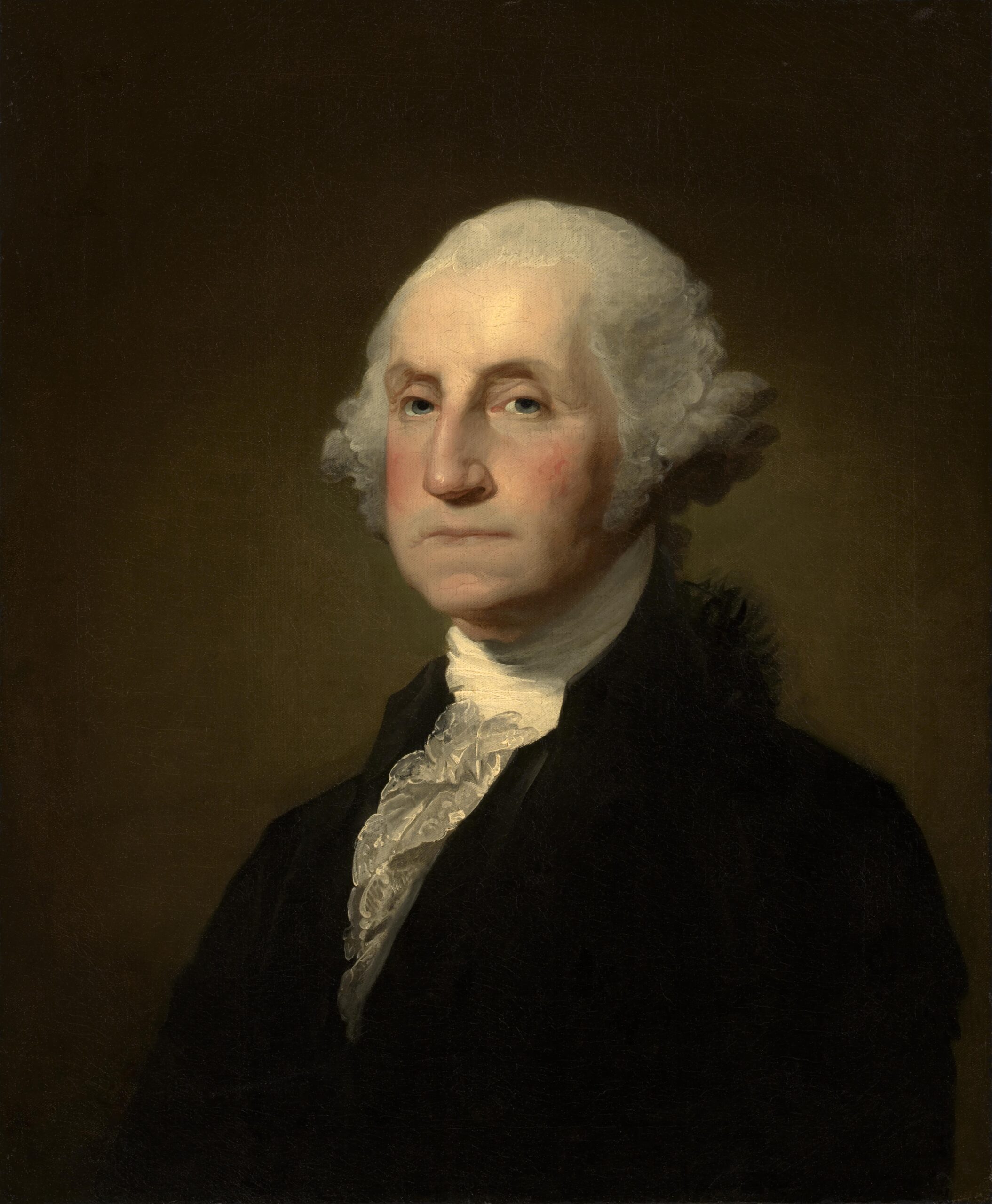

George Washington’s Farewell Address: A Cornerstone of American Democratic Values
How Washington’s Farewell Shaped Early American Democracy
In 1796,as the first President of the United States prepared to leave office,George Washington delivered a farewell address that would become a defining moment in the country’s political evolution.His voluntary decision to step down after two terms was more than a personal milestone—it established an enduring precedent for peaceful transitions of power in a fledgling democracy. This carefully composed message conveyed profound guidance on governance, unity, and foreign policy that has influenced American political thought ever as.
Washington underscored the critical importance of maintaining national cohesion and warned against the divisive nature of political parties. He foresaw how factionalism could fracture the young republic and sow discord among its citizens—a concern that remains strikingly relevant amid today’s polarized surroundings.
Additionally, he advocated for a foreign policy rooted in neutrality, cautioning against entangling alliances that might compromise U.S. sovereignty or embroil the nation in unnecessary conflicts abroad. This principle laid an early foundation for America’s cautious approach to international relations during its formative years.
| Main Themes from Washington’s Address | Enduring Impact on Democracy | ||||||||||||||||
|---|---|---|---|---|---|---|---|---|---|---|---|---|---|---|---|---|---|
| National Unity | Fostered a shared sense of identity across diverse states. | ||||||||||||||||
| Dangers of Partisanship | Cautioned against polarization undermining governance. | ||||||||||||||||
| Avoidance of Foreign Entanglements | Encouraged independent decision-making free from external influence.
Washington’s Blueprint for Unity and Balanced GovernanceMore than just a farewell speech, Washington’s address articulated essential principles vital to sustaining democratic governance. He implored Americans to place collective interests above partisan divides—emphasizing tolerance and mutual respect as cornerstones for navigating political disagreements within an increasingly pluralistic society. These values remain crucial today as ideological rifts deepen across many democracies worldwide. Furthermore, Washington championed federalism—the delicate balance between empowering a strong central government while preserving state autonomy—as essential to protecting liberty and ensuring effective governance. His vision anticipated ongoing debates about federal versus local authority that continue shaping U.S. politics into the present day.
| ||||||||||||||||