

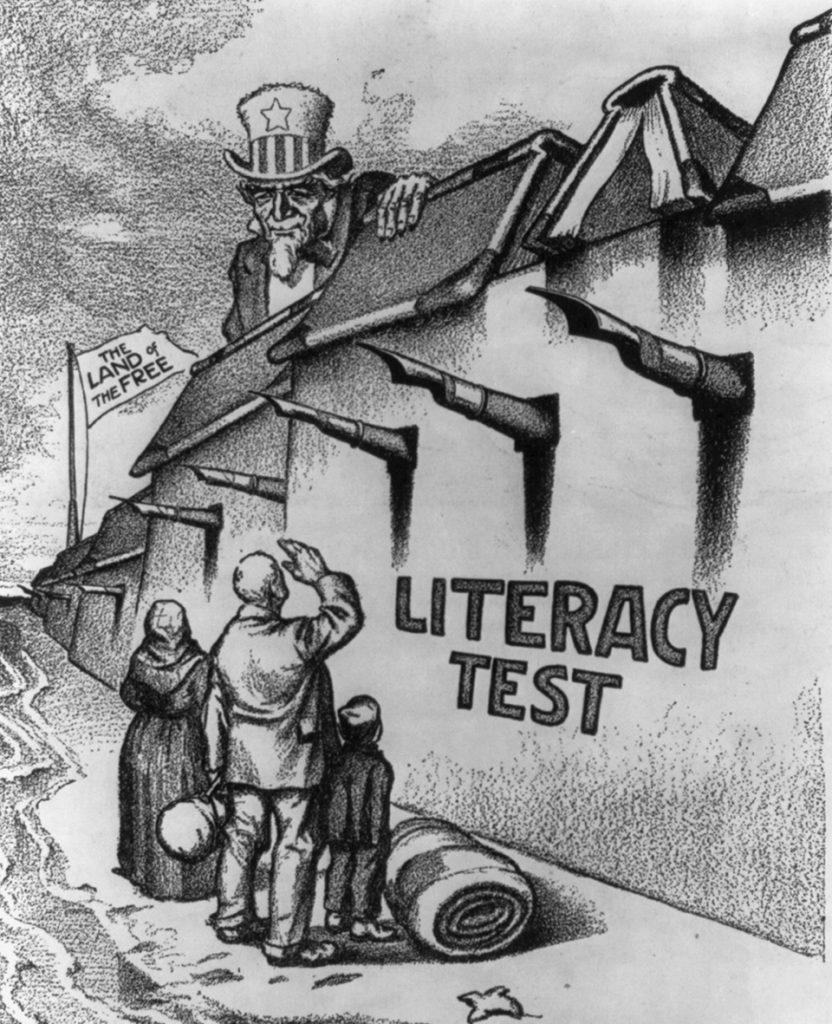

Arkansas’ New Literacy Test Requirement for Commercial Drivers Sparks Intense Debate
Arkansas has recently passed legislation requiring commercial drivers to pass literacy exams,a move that has ignited meaningful controversy across the state and beyond. While supporters claim this policy aims to improve road safety by ensuring drivers possess essential reading and comprehension skills, opponents argue it unfairly targets immigrant populations—notably those with limited English proficiency—and risks deepening existing social inequities within the transportation sector.
This article explores the origins of this contentious law, examines its potential effects on both drivers and communities, and situates it within the broader national discourse on immigration and labor rights.
The Controversy Surrounding Arkansas’ Literacy Testing for Truck Drivers
The introduction of mandatory literacy assessments for commercial vehicle operators in Arkansas has sparked heated discussions about fairness, discrimination, and economic impact. Proponents emphasize that clear interaction is vital for highway safety—citing examples such as understanding road signs or emergency instructions. However, critics highlight that these tests disproportionately disadvantage immigrants who may not be fluent in English but possess valuable driving experience.
Given that trucking remains a backbone of America’s supply chain—with over 70% of freight transported by truck nationwide according to recent Department of Transportation data—the implications extend far beyond individual employment opportunities. Key concerns include:
- Potential Discrimination: The literacy requirement could function as an indirect barrier against non-native speakers who already face systemic challenges.
- Exacerbation of Driver Shortages: The industry currently grapples with a shortage exceeding 80,000 drivers nationally; additional hurdles may worsen this crisis locally.
- Economic Ripple Effects: Reduced driver availability threatens timely delivery across multiple sectors reliant on trucking logistics.
| Affected Areas | Possible Consequences |
|---|---|
| Diverse Workforce Inclusion | Diminished job access leading to economic marginalization among immigrant groups |
| Industry Viability | Rising operational costs due to driver scarcity |
| Civic Cohesion | Tensions between immigrant communities and local residents intensify |
The Broader Impact on Immigrant Workers and Industry Diversity
This new mandate reflects a wider pattern where policies framed around “safety” or “professional standards” inadvertently—or intentionally—disadvantage immigrants. For many families relying on driving jobs as their primary income source, these literacy tests pose formidable obstacles. Beyond personal hardship, such restrictions threaten local economies dependent on diverse labor pools while reinforcing harmful stereotypes linking language ability with competence or morality.
A recent study from the American Trucking Associations highlights that nearly one-third of all truck drivers in the U.S. are foreign-born—a testament to how integral immigrant workers are in sustaining freight movement nationwide. Limiting their participation through stringent language requirements risks eroding this critical workforce diversity which fosters innovation and resilience within companies facing evolving logistical challenges.
The focus solely on reading skills neglects other essential competencies like safe vehicle operation or navigation expertise—skills frequently enough honed through years behind the wheel rather than classroom instruction alone. This narrow approach raises pressing questions about balancing regulatory goals against inclusivity: How much should linguistic uniformity be prioritized over practical ability?
Navigating Legal Challenges: Civil Rights Concerns Around Literacy Testing Policies
The enforcement of literacy exams targeting commercial drivers also triggers serious legal debates concerning civil rights protections under federal statutes like Title VII of the Civil Rights Act—which prohibits employment discrimination based on national origin—and related state laws safeguarding equal possibility.[1]
If these assessments disproportionately exclude individuals from specific ethnic backgrounds without valid justification tied directly to job performance requirements,they risk violating anti-discrimination laws by functioning as de facto barriers rooted in bias rather than bona fide occupational qualifications (BFOQ).
Beyond legality lies an ethical dimension: imposing such hurdles undermines principles central to fairness by erecting unnecessary walls around economic advancement opportunities for marginalized groups.This can foster alienation within affected communities while diminishing public confidence in regulatory institutions meant to serve all citizens equitably.
- Narrowing socioeconomic mobility pathways;
- Cultivating exclusionary attitudes;
- Eroding trust between regulators and stakeholders alike;
- Pushing vulnerable populations further into precarity rather of empowerment;
- Diminishing workforce representativeness relative to community demographics;
- Sparking broader societal discord stemming from perceived institutional injustice.
Tackling these issues requires rigorous scrutiny not only during policy formulation but throughout implementation phases—including obvious monitoring mechanisms designed explicitly to detect discriminatory impacts early enough for corrective action.[2]
Paving Pathways Toward Fairness: Strategies for Inclusive Transportation Licensing Reform
A constructive response involves championing equitable licensing frameworks that balance safety imperatives with inclusivity goals—ensuring no group faces undue exclusion based solely on language proficiency unrelated directly to core job functions.
Key recommendations include:
- Create Accessible Educational Resources: Develop multilingual training programs tailored toward helping aspiring commercial drivers meet licensing criteria without unnecessary barriers imposed by rigid testing formats.
- Cultivate Collaborative Advocacy Networks: Unite civil rights advocates, immigrant support organizations ,industry leaders, and policymakers to push back against inequitable regulations collectively.
- Pursue Evidence-Based Policy Adjustments: Leverage complete data collection analyzing how literacy mandates affect workforce composition & supply chain efficiency.
- Adopt Competency-Focused Evaluations:Implement alternative assessment methods prioritizing practical driving skills over strict language fluency requirements wherever feasible.
| Recommended Actions
Action Item Expected Outcome Expected Outcome Regular Audits Of Licensing Requirements Identify biases early allowing adjustments Feedback Mechanisms For Affected Drivers Collect experiences influencing advocacy efforts Awareness Campaigns Educate stakeholders about impacts A Call for Balanced Approaches Moving ForwardThe enactment of Arkansas’ literacy test requirement serves as a stark reminder that well-intentioned policies must be carefully crafted so they do not unintentionally marginalize key segments contributing considerably to vital industries like transportation. As legal experts caution against potential civil rights infringements—and community advocates highlight social justice concerns—it becomes clear any future reforms should prioritize inclusive strategies promoting both safety standards and equitable access together. This ongoing debate underscores an urgent need for collaborative dialogue among lawmakers, industry representatives, advocacy groups, and affected workers themselves—to forge solutions grounded in fairness without compromising operational integrity or public welfare. |
|---|