

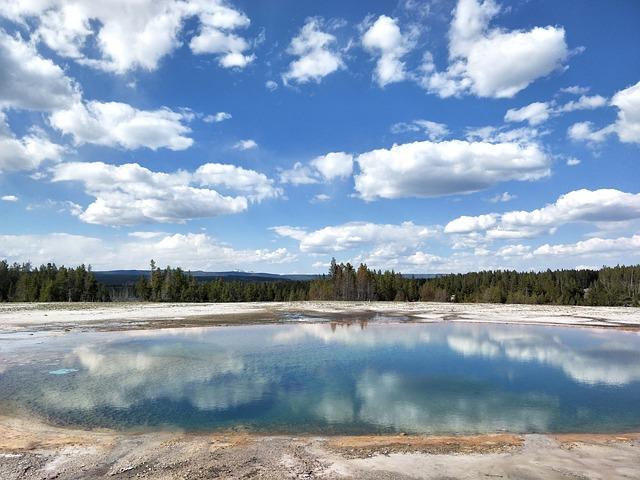
In a significant move to bolster the travel industry, U.S. Travel Association has joined forces with Senator Peter Welch for the “Travel Works” Power Hour, an event held in Bolton, Vermont. This collaboration aims to highlight the crucial role that travel plays in the nation’s economy, local communities, and overall well-being.as the industry navigates the ongoing challenges posed by changing consumer behaviors and economic fluctuations, the Power Hour seeks to engage stakeholders, promote dialogue, and showcase innovative solutions to revitalize travel in the region. This gathering not only underscores the importance of the travel sector as a driver of growth but also emphasizes the community’s potential to rebound, thrive, and shape the future of travel in America.
U.S. Travel Association Collaborates with Senator Peter Welch to Highlight Economic Impact of Tourism
In a powerful display of collaboration, the U.S.Travel Association recently joined forces with Senator Peter Welch in bolton, Vermont, to underscore the significant economic influence of the tourism sector. During the “Travel Works” Power Hour, stakeholders from various regions gathered to discuss the resilience of travel and its essential role in bolstering local economies across the nation.
The event highlighted a myriad of factors driving the tourism industry forward:
- job Creation: The tourism industry supports millions of jobs across various sectors, from hospitality to transportation.
- Revenue generation: Travel-related spending contributes substantially to state and local taxes, directly benefiting community services.
- Economic Diversification: A thriving tourism sector promotes business growth and innovation, allowing communities to better withstand economic downturns.
- Cultural Exchange: Travel fosters intercultural understanding and promotes local heritage,generating a vibrant community life.
During the discussion, Senator Welch emphasized the critical need for strategic investments in tourism infrastructure. He pointed out that as travel demand continues to rebound post-pandemic, it is vital to prioritize efficient transportation systems, sustainable practices, and marketing initiatives that draw visitors to attractions. The senator also announced potential legislative efforts aimed at enhancing tourism funding, ensuring that the sector can thrive in the face of changing consumer behaviors and global trends.
as the power hour concluded, participants left with a renewed sense of urgency regarding the tourism industry’s value. Attendees were encouraged to engage with their local representatives to advocate for policies that support growth and sustainability, ensuring that travel remains a pillar of economic vitality in their communities.
Understanding the Importance of the “Travel Works” Initiative for Local Communities
The “Travel Works” initiative stands as a crucial driver for economic growth and community progress in local areas. By emphasizing the multifaceted benefits that travel brings, the initiative aids in reinforcing the connection between tourism and job creation, infrastructure enhancement, and cultural exchange. As local economies increasingly depend on tourism, understanding the agency of this initiative becomes pivotal for community leaders and stakeholders.
key facets of the “Travel Works” initiative include:
- Job creation: Travel and tourism are known to generate numerous employment opportunities in various sectors,from hospitality to transportation.
- Economic Contribution: The infusion of tourism dollars stimulates local businesses, from restaurants and shops to craft markets, leading to a more robust economy.
- Community Revitalization: engaging with travelers can help fund improvements in local infrastructure and public spaces, enhancing the overall quality of life for residents.
- Cultural Awareness: By welcoming visitors, communities foster cultural exchange that enriches both locals and travelers through shared experiences and understanding.
In communities like Bolton, Vermont, initiatives such as “Travel works” highlight tangible benefits—reviving local economies and enhancing residents’ livelihoods. as showcased during the recent Power Hour event with Senator Peter Welch, the focus on travel is more than just promoting destinations; it is about revitalizing communities, ensuring that benefits are felt locally, and encompassing a holistic approach to sustainable tourism.
| Dimension | Impact |
|---|---|
| job Creation | Creates x number of jobs annually in the region. |
| Local Business Support | Increases foot traffic to local shops by x%. |
| Infrastructure Upgrades | Provides funding for x community projects. |
| cultural Events | Facilitates x annual events enriching community heritage. |
Key Takeaways from the Power Hour: Insights into Supporting the Travel Industry
During the recent Power Hour event in Bolton, Vermont, key insights were shared on the crucial role the travel industry plays in the U.S.economy. Here are some highlights that stood out:
- Job Creation: The travel industry is a vital source of employment, supporting millions of jobs across various sectors.
- Economic Impact: Travel contributes considerably to local and national economies, generating billions in revenue annually.
- Community Connection: Travel fosters community engagement and cultural exchange, enriching the lives of both visitors and residents.
- Advocacy Efforts: Continued efforts at advocating for policies that support and uplift the travel sector remain essential for its recovery and growth.
Attendees also discussed the importance of adaptive strategies in response to ongoing challenges facing the industry. Emphasizing the necessity for collaboration among stakeholders, the following strategies were proposed:
| strategy | Description |
|---|---|
| Innovation | Leveraging technology to enhance traveler experience and operational efficiency. |
| sustainability | Promoting eco-friendly practices to preserve destinations and attract environmentally-conscious travelers. |
| Partnerships | building alliances between government, businesses, and communities to create a unified vision for recovery. |
The Power Hour emphasized a clear message: as we look to the future, supporting the travel industry isn’t just beneficial—it’s essential for a thriving economy and vibrant communities across the nation.
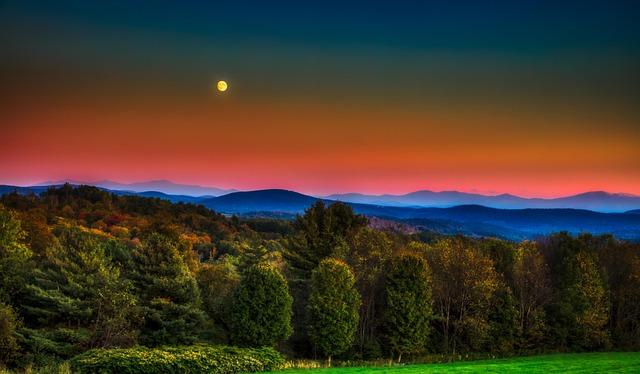
Strategies for Strengthening Vermont’s Tourism Sector in a Post-Pandemic Landscape
As Vermont emerges from the challenges posed by the pandemic, a multifaceted approach to revitalizing its tourism sector is essential. Stakeholders across the state must collaborate to enhance the visitor experience while preserving the unique charm that attracts visitors year-round. Key strategies include:
- Promoting Outdoor activities: Emphasize Vermont’s stunning natural landscapes by marketing outdoor recreational opportunities such as hiking, biking, skiing, and fishing.this can be enhanced through partnerships with local businesses offering equipment rentals and guided tours.
- Developing Local Events: Create a calendar of events that showcases local culture, arts, and cuisine. From food festivals to art fairs, these gatherings can draw both tourists and residents, fostering a sense of community.
- Enhancing Digital Marketing: Invest in targeted digital marketing campaigns to reach potential visitors.Use social media platforms and influencer partnerships to highlight the unique experiences Vermont offers, particularly regarding safe travel options.
- Fostering Sustainable Tourism: Promote eco-friendly practices within the tourism industry. Encourage the use of local products and services to support community economies while minimizing environmental impact.
To support these initiatives, a collaborative effort involving government, local businesses, and tourism organizations is crucial.A proposed plan to facilitate this collaboration could include:
| Collaborative Strategy | Expected Outcome |
|---|---|
| Monthly stakeholder meetings | Improved communication and shared goals |
| Joint marketing campaigns | Increased visibility and outreach |
| Shared resources and training | Enhanced service standards and visitor satisfaction |
By implementing these strategies and fostering collaboration, Vermont can not only recover but also thrive in the tourism industry, unlocking new opportunities for growth and creating lasting experiences for visitors.

Recommendations for Policymakers to Boost Travel and Economic Recovery
To foster a robust recovery in the travel sector and revitalize the economy, policymakers must adopt strategic measures that not only support the industry but also enhance the overall visitor experience. Here are several key recommendations:
- Enhance Infrastructure Investment: Allocate resources for upgrading transportation networks, including airports, highways, and public transit systems, to ensure seamless travel experiences.
- Promote Sustainable Tourism: Implement policies that encourage environmentally friendly travel practices, thereby attracting eco-conscious travelers and preserving natural resources.
- Support Local businesses: Create incentives for consumers to engage with local enterprises, including restaurants, shops, and attractions, to help stimulate community economies.
- Streamline Visa Processes: Simplify entry requirements for international tourists by reducing visa restrictions, ensuring a welcoming atmosphere for those eager to explore the U.S.
In addition to these initiatives,collaboration between government entities and the private sector is essential. By fostering partnerships,stakeholders can develop innovative solutions tailored to meet the evolving needs of travelers. Consider the following actions:
| Strategy | Description |
|---|---|
| Public-Private Partnerships | Encourage joint initiatives that leverage resources from both sectors to drive tourism growth. |
| Marketing Campaigns | Launch comprehensive promotional efforts that showcase diverse U.S. travel destinations and experiences. |
| Data Sharing | Facilitate access to tourism-related data to help businesses make informed decisions and improve service delivery. |
By implementing these recommendations, policymakers can play a pivotal role in not only support the immediate needs of the travel industry but also ensure its sustainable growth for years to come. Embracing innovation, collaboration, and sustainability will ultimately create a resilient framework that benefits all stakeholders involved.

Engaging Local Stakeholders: The Role of communities in promoting Tourism Growth
The recent “Travel Works” Power Hour in Bolton, Vermont, hosted by U.S. travel and Senator Peter Welch, underscored the vital role that local communities play in fostering tourism growth. Engagement at the community level can significantly enhance the opportunities for economic development, creating a collaborative environment where local stakeholders—businesses, residents, and officials—can contribute ideas and resources to bolster tourism efforts.
Communities that actively participate in tourism initiatives often see numerous benefits,such as:
- Economic Support: Increased visitor spending boosts local businesses,from restaurants to retail shops.
- Job Creation: As tourism grows, new job opportunities arise in service sectors and related industries.
- Cultural Exchange: Tourism fosters a rich cultural tapestry, allowing communities to share their heritage while learning from visitors.
- Community Pride: Engaging in tourism initiatives can enhance local pride and encourage residents to promote their areas.
During the event, discussions highlighted successful case studies where local stakeholders collaborated to design and promote unique attractions. For instance, community-led festivals and heritage trails not only draw tourists but also strengthen local identity. Working alongside tourism organizations, communities can strategically leverage their unique assets, whether they are stunning landscapes, historical sites, or culinary traditions, to entice visitors.
| Key Community Initiatives | Description |
|---|---|
| Local Festivals | annual events that showcase food, music, and art, celebrating regional culture. |
| Heritage Trails | Curated paths that highlight significant historical and cultural landmarks. |
| Community Workshops | Hands-on events that teach visitors about local crafts and traditions. |
The collaborative approach demonstrated at the Power Hour is essential in empowering communities to take the lead in shaping their tourism narratives. By harnessing local passion and ingenuity, tourism growth can be both sustainable and inclusive, ensuring that the benefits are felt far and wide across the community.
In summary
the “Travel works” Power Hour hosted by U.S. Travel in Bolton, Vermont, highlighted the vital role of the travel industry in driving economic growth and fostering community connectivity across the nation.Senator Peter Welch’s participation underscored the meaning of bipartisan support for policies that can advance travel and tourism, ensuring that this crucial sector not only recovers from recent challenges but also thrives in the years to come. As advocates come together to discuss strategies and share insights, the collaborative spirit evident at this event signals a hopeful trajectory for the industry. With ongoing commitment and engagement, the future of travel remains luminous, promising new opportunities for both local economies and travelers alike.











