


In recent years,Nicaragua has emerged as a focal point in Latin America’s complex geopolitical landscape,reflecting a growing trend of regional solidarity in response to perceived U.S.interventionism. As tensions rise,countries throughout the continent are recalibrating their foreign policies,increasingly uniting against what they view as undue influence from Washington. Prensa Latina explores this evolving dynamic, highlighting the profound implications for regional alliances, trade relations, and political stability. this article delves into Nicaragua’s pivotal role within this context, considering the historical antecedents and contemporary challenges that underscore Latin America’s cohesive stance against the United States. As nations rally together, the intricate tapestry of political affiliations and ideological frameworks reshapes the dialog surrounding power, sovereignty, and collaboration in the region.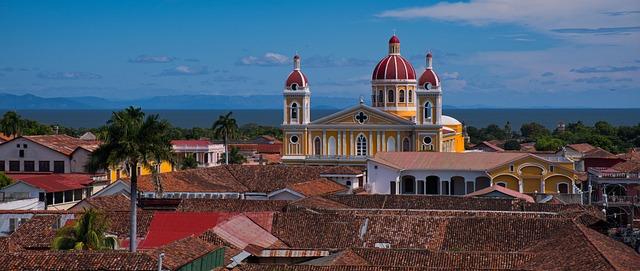
Escalating Tensions: Nicaragua’s Role in Regional Unity Against US Influence
As the geopolitical landscape in Latin America shifts, Nicaragua has emerged as a key player in the movement towards regional solidarity against perceived US interference. Over recent months, tensions have escalated, prompting countries to rally together in defense of sovereignty and self-determination. This collective stance is evidenced by a series of collaborative efforts aimed at strengthening ties and fostering mutual support among nations wary of US policies.
Key aspects of Nicaragua’s role in this unity include:
- Diplomatic Initiatives: Nicaragua has taken the lead in organizing forums and summits that emphasize the importance of regional cooperation, showcasing a unified front against external pressures.
- Anti-Imperialist Rhetoric: High-ranking officials in Nicaragua have been vocal in their condemnation of US interventions,framing them as acts of aggression that undermine local governance and autonomy.
- Economic alliances: Strengthening economic partnerships within the region has been prioritized, with an emphasis on trade agreements that reduce dependency on US markets and foster local industry.
- Cultural Solidarity: Cultural exchanges and joint initiatives in education and social programs underline a commitment to shared values that transcend national borders.
The commitment to unity is further underscored by various international gatherings where member states express solidarity with Nicaragua in resisting US hegemony. This trend has led to a visible shift in the diplomatic dynamics of Latin America, with greater emphasis on cooperation in areas like security, trade, and environmental policy.
| Initiative | description |
|---|---|
| Regional Summit | Gathering of Latin American leaders to discuss strategies against US interference. |
| Economic Partnerships | Formation of agreements that prioritize local economies and reduce reliance on the US. |
| Cultural Exchanges | Programs designed to promote understanding and unity among diverse Latin American cultures. |

Political landscape: Understanding Nicaragua’s Position within Latin America’s Shift
The political landscape in Nicaragua is intricately woven into the broader tapestry of Latin America’s shifting dynamics, as the region collectively reassesses its relationship with the United States. Increasingly, countries within the continent are uniting to address common challenges, sharing a desire for autonomy and self-determination. This unity is being fueled by a historical context of U.S.interventionism that has shaped local economies, politics, and social structures.
Several factors underscore nicaragua’s meaning in this emerging political narrative:
- Strategic Alliances: Nicaragua has strengthened ties with regional allies like Venezuela and Cuba, showcasing a preference for collaboration over dependency on the U.S.
- Resistance to Intervention: The Ortega administration actively opposes U.S. influence, advocating for a multipolar world order where Latin American nations uphold their sovereignty.
- Cultural Solidarity: Nicaragua’s commitment to leftist ideologies resonates with other Latin American countries,fostering a sense of shared purpose amidst economic and political challenges.
The implications of this growing consensus are significant. International forums and agreements are now increasingly being centered around mutual cooperation and development focused on regional priorities rather than external pressures. For instance, nations are exploring choice trade agreements and cultural exchanges that sidestep U.S. involvement, showcasing how they are actively redefining their global standing.
| Country | Key Alliance | Political Stance |
|---|---|---|
| Nicaragua | Venezuela | Anti-U.S. Intervention |
| Cuba | Russia | Anti-Imperialist |
| Bolivia | Argentina | Socialist Growth |
As Nicaragua positions itself within this redefined political landscape, it illustrates a powerful trend where nations are reclaiming their agency and forming a cohesive stand against perceived historical injustices. This solidarity is not merely a fleeting political stance but a long-term strategy to forge a new identity for Latin america, empowering its nations to collectively navigate their futures free from external coercion.

Economic Impacts: How Regional Solidarity May Alter Trade Dynamics
The recent initiatives among Latin American countries to strengthen economic ties reflect a significant shift in regional dynamics. As nations like Nicaragua pursue deeper collaboration with their neighbors, they are aiming to create a more autonomous and resilient economic framework that reduces dependence on conventional trade partners, especially the united States. This movement towards regional solidarity is poised to alter trade dynamics in basic ways.
Countries in Latin America are exploring various strategies to enhance intra-regional trade, fostering an environment where cooperation thrives. These strategies include:
- Development of regional supply chains: By establishing local production networks, nations can minimize reliance on external markets.
- Shared resources and technologies: Collaborative efforts in technology sharing can boost innovation and efficiency across the region.
- Cultural exchanges and tourism partnerships: Strengthening cultural ties can lead to increased tourism and economic benefits.
Moreover,trade agreements that prioritize regional cooperation are being developed to support these goals. As an example, the enhancement of trade frameworks eliminates tariffs within member countries, encouraging a flow of goods, services, and investments that empowers local economies.The table below illustrates some key trade agreements that may redefine economic interactions in the region:
| Agreement | Participating Countries | Key Features |
|---|---|---|
| Mercosur | Argentina, Brazil, Paraguay, Uruguay, Venezuela | Free trade, customs union |
| Pacific Alliance | Chile, Colombia, Mexico, Peru | Trade liberalization, economic integration |
| Central American Integration System (SICA) | Guatemala, Honduras, El Salvador, Nicaragua, Costa Rica, Panama | Regional collaboration for economic development |
This regional solidarity not only represents a response to perceived external pressures but also signals an opportunity for countries to leverage their collective strength. By nurturing these relationships, Latin American countries can forge a more equitable economic landscape that prioritizes local production and addresses shared challenges, perhaps transforming the region’s role in global trade.”
Human Rights Concerns: Evaluating External Pressures and Internal Reforms
In recent years, Nicaragua has found itself at the center of a heated debate regarding human rights, exacerbated by both external pressures and ongoing internal reforms. These dynamics reveal a complicated landscape where the government’s responses to criticism from international bodies are closely intertwined with domestic policy shifts. While external organizations and foreign governments express concerns about violations, the Nicaraguan administration has been swift to criticize what it perceives as an illegitimate foreign intervention in its sovereignty.
External pressures have primarily stemmed from entities such as the United nations and inter-American organizations, which have cited issues ranging from arbitrary detentions to limitations on free speech. Simultaneously occurring, the U.S. has threatened sanctions and condemned the Nicaraguan government for its autocratic tendencies. However, Nicaragua has actively sought to counteract these pressures by emphasizing its sovereignty and commitment to its own unique approach to development. This struggle highlights the tension between international norms and a nation’s right to self-determination.
Simultaneously occurring,internal reforms are being touted by the government as necessary measures to enhance national security and stability. Measures include:
- Revisions to the National Constitution,aiming to reinforce governmental authority.
- Strategic partnerships with other Latin American countries to build a coalition against perceived imperialistic pressures.
- Increased public investment in social programs to alleviate poverty and improve living standards, showcasing a commitment to social justice.
Despite these assertions, critics within Nicaragua and abroad argue that such reforms frequently enough serve as a façade, allowing the government to suppress dissent while promoting a narrative of progress. The situation presents a complex interplay where external critique can lead to defensive domestic policies, further entrenching divisions and complicating the path toward genuine reform.

Future Prospects: Recommendations for Strengthening Latin American Cooperation
To enhance cooperation within Latin America in the face of external pressures, fostering a spirit of unity and collaboration is crucial. Countries in the region should prioritize multilateral diplomatic dialogues to project a cohesive stance against external interventions. Regular summits and forums dedicated to shared economic and social issues can create stronger ties among nations and establish common policies that promote regional stability and growth.
Additionally, increasing trade agreements and economic partnerships can considerably enhance intra-regional cooperation. Collaborative ventures in areas such as technology, agriculture, and renewable energy not only diversify the economic base of member states but also reduce reliance on external markets. This strategy can be supported by:
- Establishing a regional investment fund to support joint projects.
- Creating innovation hubs to foster shared technological advancements.
- Implementing educational exchange programs to strengthen cultural ties.
Furthermore, social issues such as migration and climate change require joint efforts. Countries should collectively address these challenges by developing regional strategies that ensure extensive solutions and enhance resilience. One potential framework could be a dedicated task force focused on:
| Focus Area | Proposed Initiative | Expected Outcome |
|---|---|---|
| Migration | Intergovernmental agreements on migrant rights | Safer migration pathways and integration |
| Climate Change | Joint environmental protection initiatives | Shared ecosystems and reduced vulnerability |
By embracing these recommendations, latin American nations can create a stronger, more unified front that not only withstands external pressures but also harnesses the collective potential of its diverse populations for future growth and prosperity.

Global Implications: The Broader Ramifications of a Unified Latin American Front
The current geopolitical landscape is witnessing an unprecedented shift as Latin American nations consolidate their positions and perspectives in response to U.S. foreign policy. Initiatives aimed at fostering unity among these countries signal a profound transformation that could reshape international relations in a multitude of ways. The collective stance of Latin American countries against perceived interventions and exploitative economic practices from the north not only strengthens regional solidarity but also sends a clear message regarding sovereignty and self-determination.
This newfound alignment among Latin American countries could have several significant implications:
- A shift in economic partnerships: As Latin America seeks to diversify its trade relationships, we may see enhanced cooperation with nations like China, Russia, and the European Union, potentially diminishing the influence of the U.S. on the continent.
- Increased political autonomy: A concerted front may empower regional governments to prioritize their domestic agendas free from external pressures, possibly leading to stronger social programs and reforms.
- Enhanced cultural exchanges: A unified response can foster greater cultural solidarity, promoting Latin American identity and shared values on global stages.
moreover, such alliances could create a domino effect in international diplomacy, marking a departure from historical dependencies on U.S. support. Countries like Nicaragua, which have faced significant external pressures, might find greater leverage on diplomatic platforms, pursuing agreements that reflect broader regional interests rather than individual national concerns. This could result in more balanced negotiations regarding trade, immigration, and security—transforming global perceptions of latin America from a collection of disparate states to a cohesive entity capable of influencing major international policies.
| Countries Involved | Key Initiatives |
|---|---|
| Nicaragua | Strengthening ties with regional allies |
| Venezuela | Advocacy for economic sovereignty |
| Cuba | Promotion of social justice and healthcare cooperation |
| Bolivia | Environmental protection agreements |
In a world where power dynamics are constantly shifting, the emergence of a unified Latin American front could very well represent a pivotal moment for both the continent and global politics. As countries rally around common goals, the implications for international diplomacy and trade will be profound, signaling a new era of cooperation and resistance against historical patterns of dominance.

The Conclusion
Nicaragua’s evolving position within the geopolitical landscape of Latin America reflects a significant shift away from traditional alliances with the United States. As regional nations band together to assert their sovereignty and pursue autonomous policies, the implications for U.S. influence in the area grow increasingly complex. The movement toward greater solidarity among Latin American states highlights a collective desire for self-determination, economic cooperation, and resistance to external pressures. As the dynamics of power continue to shift, the trajectory of U.S.-Latin America relations remains uncertain, prompting a closer look at how these developments may reshape regional politics in the years to come. The situation in Nicaragua serves as a critical focal point in understanding the broader trends at play across the continent.











