

As the leaves begin to change adn the days grow shorter, the National Oceanic and Atmospheric Administration (NOAA) has unveiled its forecast for the upcoming winter season across the United States. In a report highlighting significant regional disparities,NOAA predicts a warmer and drier winter for the southern states,while the northern regions brace for an increase in precipitation. This outlook comes amid ongoing concerns about climate variability and its impact on whether patterns,raising questions about what these trends could mean for agriculture,water resources,and daily life in various parts of the country. As communities prepare for the season ahead, understanding these predictions is crucial for adapting to the challenges that winter may bring.
U.S. Winter Forecast Overview: Analyzing regional Climate Patterns
This winter, the United States is expected to experience contrasting weather patterns across different regions, substantially influenced by ongoing climatic events. the South is predicted to see warmer and drier conditions, while northern areas brace for an increased chance of precipitation. This divergence is primarily shaped by the influences of a prevailing La Niña phenomenon,altering jet streams and modifying typical weather behavior.
In the South, states like Texas, Florida, and Georgia are likely to witness temperatures above the seasonal average, potentially impacting both agriculture and water resources. Key points include:
- Increased likelihood of drought conditions.
- Higher temperatures affecting crop cycles.
- Reduced snowfall in mountainous areas, impacting winter sports.
Conversely, the North, encompassing areas such as the midwest and Northeast, is anticipated to see wetter conditions. This could lead to an increase in snowfall, beneficial for winter sports enthusiasts, but also raises concerns about potential flooding. Highlights for the northern regions include:
- Above-average snowfall in the Great Lakes and New England.
- Steadier precipitation patterns aiding in regional water supplies.
- Possible impact on travel and transportation due to storm events.
| Region | Forecast highlights |
|---|---|
| South | Warmer, drier; potential drought conditions. |
| North | Wetter; above-average snowfall expected. |
Warmer Conditions Predicted for the Southern States: Implications for Agriculture
The National oceanic and Atmospheric Administration (NOAA) has released its winter outlook, signaling significantly warmer and drier conditions for the Southern states. This potential climatic shift raises important questions about its ramifications for the agricultural sector, which heavily relies on seasonal weather patterns for planning and crop management.
Farmers in regions such as the Southeast and Southwest are notably concerned about the following impacts:
- Crop Yields: Warmer temperatures could advance the growing season, impacting maturation rates and potentially reducing yields for certain crops, such as soybeans and corn.
- Irrigation Needs: Drier conditions may lead to increased reliance on irrigation, straining water resources and increasing operational costs for farmers.
- Pest Management: Warmer winters can lead to the survival of pests that would typically perish in colder conditions, heightening the need for pest control measures.
- Planting Schedules: Farmers may need to reconsider traditional planting schedules, adapting to earlier spring conditions to maximize productivity.
To illustrate the potential shifts, the table below summarizes the average winter temperatures and precipitation in selected Southern states:
| State | Average Winter Temperature (°F) | Average Winter Precipitation (inches) |
|---|---|---|
| texas | 53 | 12 |
| Florida | 65 | 3 |
| Georgia | 52 | 10 |
| louisiana | 56 | 8 |
Farmers must remain vigilant and proactive in their strategies as weather patterns shift. Engaging with agricultural extensions and utilizing technology for real-time weather updates could enhance adaptive strategies for maintaining crop health and yield amidst these predicted changes.
Increased Precipitation expected in the Northern Regions: Preparedness Strategies
The upcoming winter season is projected to bring increased precipitation to the northern regions of the United States, necessitating proactive measures to ensure safety and preparedness. As communities brace for potential flooding and icy conditions, it is vital for residents to be equipped with knowledge and resources to mitigate the impact of severe weather.
Hear are some critical strategies to consider for enhanced preparedness:
- Stay Informed: Regularly check weather forecasts and updates from reliable sources to stay aware of changing conditions.
- Emergency Kits: Assemble an emergency kit that includes essentials such as food, water, first-aid supplies, flashlights, and batteries.
- Home Inspections: Inspect and repair gutters, downspouts, and drainage systems to prevent water accumulation around your property.
- Community Planning: Engage with local authorities to understand community resources and establish an emergency response plan.
In addition, developing a clear interaction plan is crucial in case of evacuations or emergencies. Families should designate a meeting point and ensure that all members are aware of how to access vital details.Further, consider the following table for a swift reference on key supplies for your winter emergency kit:
| Item | Quantity |
|---|---|
| Non-perishable food | 3-day supply |
| Water | 1 gallon per person/day for 3 days |
| First-aid supplies | Complete kit |
| Flashlight & batteries | 1 flashlight, 12 extra batteries |
By taking these steps and staying vigilant, northern residents can better prepare for the wetter conditions ahead, ensuring their safety and increasing community resilience during the winter months.
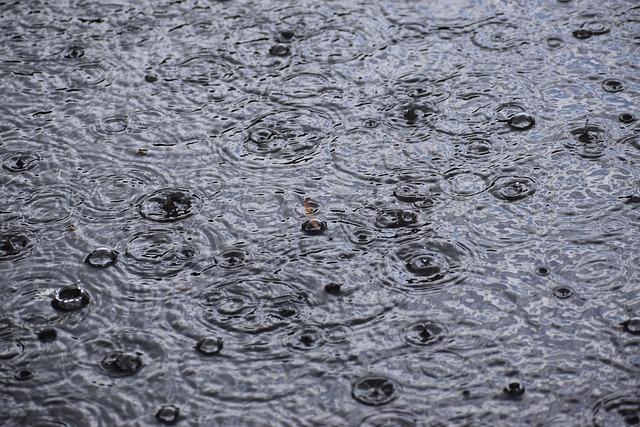
the Impact of La Niña on Winter Weather: Understanding Ocean-Atmosphere Interactions
La Niña significantly influences U.S. winter weather patterns by altering the interaction between oceanic and atmospheric systems. characterized by cooler than average sea surface temperatures in the central and eastern Pacific Ocean, La Niña tends to have a direct impact on precipitation and temperature distributions across the continental U.S.
The following are key ways in which La Niña can shape winter conditions:
- Enhanced Precipitation in the Northern U.S.: La Niña typically leads to increased storm activity across the northern states, bringing above-average snowfall and rain, particularly in the pacific Northwest and Great Lakes regions.
- Drier and Warmer Conditions in the Southern U.S.: In contrast, the southern tier—including states like Texas, Louisiana, and Florida—frequently enough experiences below-average precipitation and higher temperatures, which can exacerbate drought conditions.
- Disruption of Jet stream Patterns: The polar jet stream may shift northward during La Niña events, influencing weather systems and leading to “bifurcated” storm tracks that disproportionately affect different regions of the U.S.
To further illustrate the contrast in conditions anticipated during La Niña winters, consider the following table highlighting average temperature and precipitation trends:
| Region | Temperature Trend | Precipitation Trend |
|---|---|---|
| Northern U.S. | Below normal | Above normal |
| Southern U.S. | Above normal | below normal |
Understanding these ocean-atmosphere interactions is crucial for predicting seasonal impacts and preparing for the unique challenges that a La Niña winter may present.
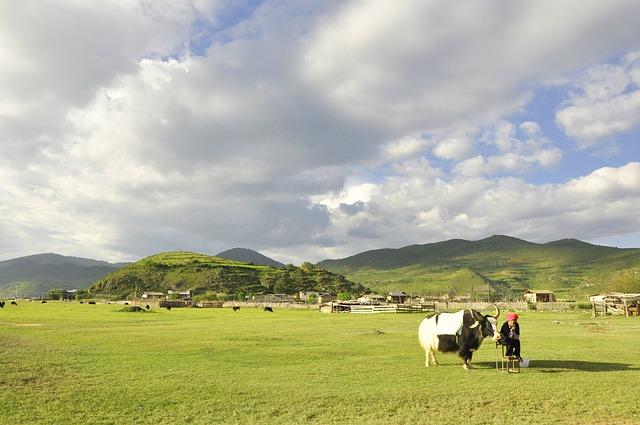
Recommendations for Residents and Businesses: Adapting to Seasonal Changes
As the winter months approach, both residents and businesses must prepare for the anticipated climatic shifts. In regions forecasted to experience warmer and drier conditions, it is crucial to adopt strategies that take advantage of the milder temperatures. Residents should consider focusing on water conservation efforts, given the likelihood of reduced precipitation. Implementing rainwater harvesting systems and native landscaping can effectively optimize water usage and maintain sustainable practices.
For businesses in the warmer South, there is a prime chance to engage customers with seasonal promotions that highlight outdoor activities, such as winter markets or outdoor dining experiences. Consider offering tailored services or products that cater to the milder climate, like patio heaters or special discounts for outdoor events. Additionally, companies should review their supply chain strategies to adapt to potential fluctuations in demand resulting from lower winter precipitation.
In contrast, residents and businesses in the wetter Northern regions should brace for increased snowfall and heavier rainfall.This calls for enhanced preparedness strategies:
| Preparedness action | description |
|---|---|
| Emergency Kits | Assemble winter emergency kits with essential supplies. |
| Roof maintenance | inspect roofs to prevent snow accumulation issues. |
| drainage checks | Ensure proper drainage systems are clear to avoid flooding. |
| Community Coordination | Engage local initiatives for shared resources and support. |
All stakeholders should remain informed about changing weather patterns through reliable forecasts, enabling them to adjust their plans accordingly.This proactive approach will not only enhance safety and convenience during winter months but also promote resilience in the face of changing climate dynamics.
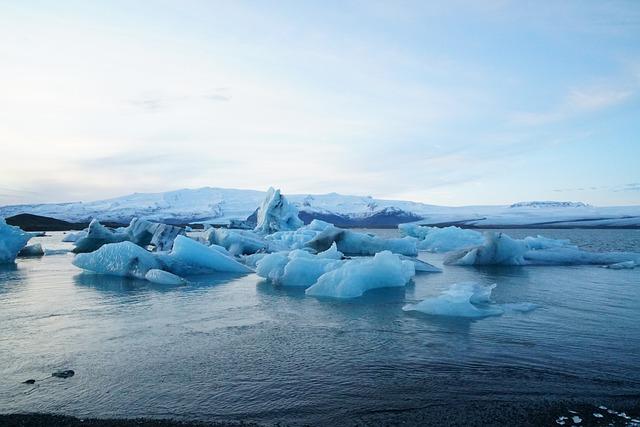
Long-term Climate Considerations: Planning for Future Winters in a Changing Climate
As the consequences of climate change become increasingly evident, the implications for winter weather patterns warrant careful consideration and strategic planning. For regions historically accustomed to colder winters, adaptability is crucial. With a predicted trend toward warm and dry conditions in the South and wetter forecasts for the North, communities must prepare for significant shifts that may impact everything from infrastructure resilience to public health.
Considering these changes, key factors should be taken into account:
- Water Resource Management: With wetter conditions anticipated in northern regions, planning for increased runoff and potential flooding becomes essential. Effective water management strategies will be needed to capture and utilize this excess water.
- Infrastructure Adaptation: Transportation networks and emergency services in areas expecting more severe winters will need upgrades to withstand heavier snowfall and ice, which could cause disruptions and safety hazards.
- Biodiversity and Ecosystems: Alterations in winter weather can influence local ecosystems, affecting the timing of natural events such as migration and breeding patterns. Conservation efforts should focus on maintaining biodiversity amidst changing conditions.
Moreover, communities will benefit from enhancing their preparedness through:
- Public Awareness Initiatives: Educating the public on potential weather changes and safety measures can reduce vulnerability.
- investment in Technology: Utilizing advanced weather prediction technologies to provide accurate forecasts will facilitate proactive planning and resource allocation.
- Collaboration Across sectors: Engaging with local governments, environmental organizations, and businesses to develop comprehensive approaches to climate adaptation will foster resilient communities.
The ability to anticipate and respond to these long-term climate considerations is essential for mitigating risks and ensuring the safety and prosperity of all regions in our changing climate.By prioritizing strategic planning, communities can not only brace for the coming winters but also thrive amidst their challenges.
in Summary
As we move into the colder months, the National Oceanic and Atmospheric administration’s outlook provides a critical viewpoint on what to expect across the United States this winter.With a warmer and drier forecasted for the southern regions and increased precipitation anticipated in the north, these trends underscore the importance of preparedness for various sectors, including agriculture, water resource management, and energy consumption. Understanding these patterns not only helps individuals and communities navigate the winter season more effectively but also highlights the broader implications of climate variability. As we brace for what lies ahead, staying informed will be key in adapting to these changing conditions.By monitoring future updates from NOAA, residents can better equip themselves to meet the challenges and opportunities this winter may bring.











