

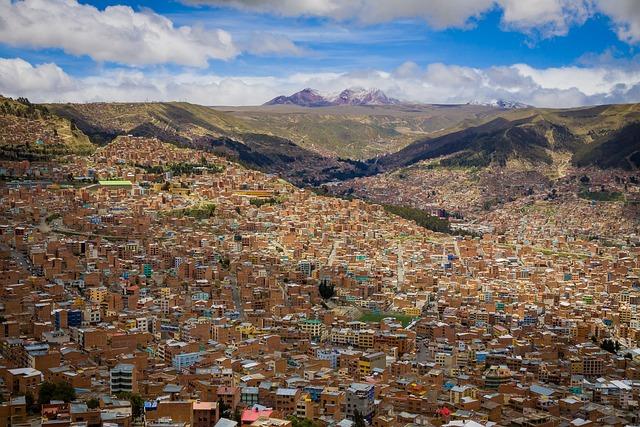
In recent years, the political landscape in Bolivia has been marked by significant turmoil, with tensions between the government and various social movements escalating into widespread protests and unrest. As La Paz grapples with economic challenges and political instability, questions arise about the future of its international relationships, particularly with the United States. The Wilson Centre examines the complex web of diplomacy, ideology, and history that frames US-Bolivia relations, set against the backdrop of Bolivia’s evolving political climate. With 2025 on the horizon and potential shifts in administration and policy looming,could this be a pivotal moment for a thaw in ties between the two nations? In this article,we explore the factors that could either hinder or facilitate a new chapter in US-bolivia relations as both countries navigate a landscape fraught with challenges and opportunities.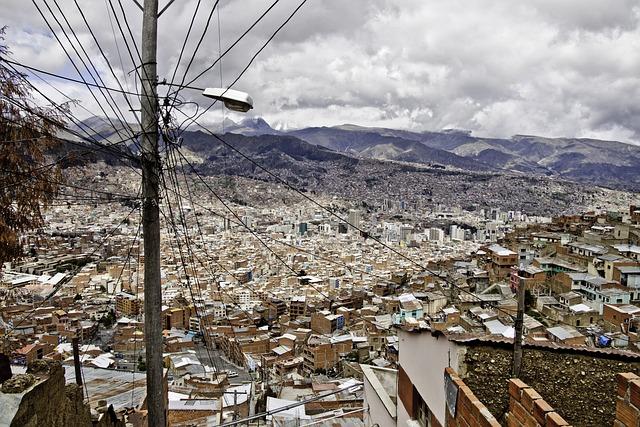
Shifting Political Landscapes in Bolivia and Their Impact on US Relations
Bolivia’s political environment has been undergoing significant transformations, notably since the controversial resignation of President Evo morales in 2019. the resulting power vacuum and subsequent political turmoil have contributed to a complex relationship with the United States, historically characterized by mutual skepticism and divergent interests. As various factions vie for power and influence, understanding the shifts in Bolivia’s political landscape is essential for assessing the trajectory of US-Bolivia relations.
Recent developments suggest a potential thaw in these relations, particularly as Bolivia heads toward the 2025 elections. Key factors influencing this shift include:
- Economic Dependency: bolivia’s need for foreign investment, especially in its vast lithium reserves, may prompt a reassessment of its diplomatic strategy.
- Geopolitical Dynamics: With China and Russia expanding their influence in Latin America, the US may seek to restore its presence in Bolivia to counter these developments.
- Political will: The rise of more US-friendly politicians could facilitate a rapprochement, potentially transforming bilateral relations.
Additionally, dialogue around pressing issues such as drug trafficking, environmental policies, and human rights will play a vital role in shaping future interactions. The outcomes of the 2025 elections could provide a critical juncture, as a new administration may either embrace a more collaborative approach with the US or continue to pursue a nationalist agenda resistant to foreign influence.
| Year | Key Events |
|---|---|
| 2019 | Resignation of Evo Morales |
| 2020 | Election of Luis Arce, MAS party |
| 2025 | Upcoming presidential election |

Economic Challenges in la Paz: An Opportunity for Engagement
The economic landscape in La Paz presents a mosaic of challenges that invite concerted efforts for engagement and collaboration. Despite facing high inflation rates,a struggling job market,and a reliance on natural resource exports,these hardships can be reframed as a catalyst for innovation and resilience. Local businesses, NGOs, and international stakeholders have the opportunity to forge partnerships aimed at addressing key issues such as:
- Economic Diversification: Encouraging growth in sectors like technology, tourism, and agriculture.
- Job Creation: Implementing training programs that empower youth and help them gain critical skills.
- Infrastructure Development: Upgrading public services and facilities to enhance the quality of life and attract investment.
Additionally, the geopolitical climate may serve as a backdrop for renewed U.S.-Bolivia relations, particularly as Bolivia seeks to secure foreign investment and bolster trade partnerships.Policymakers can prioritize engagement strategies that emphasize mutual benefit and cultural exchange,highlighting the importance of:
- Shared Goals: Fostering a lasting economy through technology transfer and capacity building.
- Diplomatic Initiatives: Strengthening dialogues on environmental sustainability, human rights, and anti-corruption measures.
- Community-Led Development: Supporting grassroots movements that prioritize local needs and empower communities.
| Economic Indicators | 2023 projections | 2025 Goals |
|---|---|---|
| Inflation Rate | 10% | 5% Stabilization |
| Unemployment Rate | 8% | 4% Reduction |
| Foreign Direct Investment | $1.5 Billion | $3 Billion |
Human Rights and Governance: essential Topics for Dialogue
The intersection of human rights and governance is more critical than ever in the context of Bolivia’s ongoing political crisis. As tensions rise in La Paz, the need for genuine dialogue about civil liberties and democratic processes becomes paramount. Engaging in discussions that address the violations experienced by various groups—such as indigenous populations, political dissidents, and civil society—can serve as a foundational step towards rebuilding trust and stability. The role of international actors, including the United States, will be crucial in fostering an environment conducive to this dialogue.
When exploring the future of US-Bolivia relations, two essential topics ought to be at the forefront:
- Strengthening Institutions: Promoting clear governance and accountability can help reconstruct the relationship between citizens and the state.
- Protecting Human Rights: A commitment to upholding human rights must be central to any diplomatic engagement, ensuring that marginalized voices are heard and valued.
To facilitate this process, collaborative efforts between governments, NGOs, and international organizations are critical. A potential framework for dialogue might include:
| Dialogue Focus | Stakeholders Involved |
|---|---|
| Human Rights Violations | Government, Civil Society, International Organizations |
| Judicial independence | Legal Experts, NGOs, Political Parties |
| Social Inclusion | Community Leaders, Ethnic Groups, Diplomats |
By fostering these discussions, both Bolivia and the United States can work towards a more equitable future, mitigating the risks of authoritarianism and deepening mutual respect for democratic principles. The outcome of these dialogues could well define the trajectory of relations in the coming years and shape Bolivia’s governance landscape for generations to come.

Security Cooperation: Addressing Regional Threats Together
In an increasingly interconnected world, the significance of security cooperation between nations cannot be overstated, especially in a region facing multifaceted threats. As Bolivia navigates its complex political landscape, the potential for a new chapter in US-Bolivia relations looms large in 2025, prompting a focused look at how both countries can collaboratively address shared security challenges. This partnership could manifest in various forms, including but not limited to:
- Counter-narcotics initiatives: With Bolivia’s past context in the illegal drug trade, enhanced cooperation could lead to more effective strategies in reducing illicit drug production and trafficking.
- Transnational crime reduction: Strengthening intelligence sharing on organized crime can help both nations tackle the pervasive networks that threaten regional stability.
- Disaster response coordination: Given Bolivia’s vulnerability to natural disasters, joint training exercises and resource sharing may bolster the efficiency of both countries’ responses to such crises.
Engaging in security cooperation not only addresses immediate threats but also lays the groundwork for long-term stability and partnership. The establishment of joint task forces focused on specific issues can cultivate trust and foster a collaborative spirit among nations that may have previously viewed each other with skepticism. A clear framework regarding security cooperation could highlight the importance of:
| Focus Area | Potential Activities |
|---|---|
| Drug Trafficking | Joint operations and training sessions |
| Cybersecurity | Knowledge sharing and capacity building |
| Humanitarian Aid | Coordinated responses to crises |
Furthermore, as both nations work towards a common security framework, the integration of regional partners will be crucial. By broadening the dialogue to include neighboring countries, Bolivia and the United States can enhance the effectiveness of their strategies, ensuring collective security and shared prosperity. The evolving geopolitical landscape may indeed provide a unique opportunity for rekindling relations,emphasizing the importance of working together to confront the threats that endanger the region’s stability.

Trajectories for Bilateral Relations: Hopes and Strategic Recommendations
As Bolivia navigates a landscape marked by political upheaval and economic challenges,the potential for a renewed partnership with the United States offers both challenges and opportunities. Key stakeholders in Washington and La Paz need to prioritize dialogue and openness to lay a foundation for a sustainable bilateral relationship. Both nations share common interests, particularly in areas such as economic development, counter-narcotics, and environmental protection, which can serve as crucial points of engagement.
To adequately address the intricacies of their relationship, the following strategic recommendations should be considered:
- Promote Inclusive Dialogue: Facilitate open channels of interaction that include civil society and indigenous organizations in both countries.
- Focus on Economic Cooperation: Encourage trade agreements that benefit both nations, such as joint ventures in sustainable agriculture and technology.
- Environmental Initiatives: Collaborate on projects addressing climate change, particularly the preservation of the Amazon and biodiversity, which are vital for global ecological health.
- Security Collaboration: Strengthen joint efforts to combat drug trafficking and organized crime, emphasizing shared security concerns.
A key element in advancing US-Bolivia relations lies in understanding the historical context and addressing past grievances. Building trust requires acknowledgment of Bolivia’s sovereignty and the intricate cultural dynamics at play. Regular diplomatic exchanges could serve as a platform for establishing mutual respect and accountability.
In the lead-up to 2025, fostering educational and cultural exchanges could further humanize bilateral relations:
| Initiative | Description |
|---|---|
| Student Exchange Programs | Facilitate scholarships for Bolivian students to study in the US and vice versa. |
| Cultural Festivals | Host events celebrating Bolivian culture in the US and American culture in Bolivia. |
| Joint Research Projects | Encourage collaborative research in areas of mutual concern, like climate resilience. |

Key Takeaways
As Bolivia grapples with socio-political challenges and economic turmoil, the potential for a thaw in U.S.-Bolivia relations by 2025 emerges as a topic of significant importance. the complexities of the diplomatic landscape are shaped by historical grievances, geopolitical interests, and the critical need for collaboration in tackling transnational issues such as drug trafficking and climate change.While both nations stand at a crossroads, the evolving circumstances offer a window for renewed engagement that could forge a more constructive partnership. As the international community watches closely, the coming years may not only redefine bilateral ties but also influence broader regional dynamics in South America. Continued dialogue and strategic diplomacy will be essential in transforming the current crisis into an opportunity for cooperation and mutual benefit. Only time will tell whether 2025 will mark a new chapter in U.S.-Bolivia relations, yet the potential for positive change remains on the horizon.











