


Generating Traction at J.A. Pengel International Airport: A Gateway to Suriname’s growth
Nestled in the lush landscapes of Suriname,J.A. Pengel International Airport (PBM) stands as a critical hub for both regional connectivity and international travel. As the country’s primary airport, it plays an essential role in facilitating tourism, commerce, and cultural exchange. Though, in an increasingly competitive aviation landscape, generating traction at PBM has become paramount for enhancing its strategic importance. This article delves into the various initiatives and developments aimed at revitalizing the airport’s operations and boosting its prominence on the international stage. By examining recent infrastructure upgrades, partnerships, and marketing strategies, we will explore how J.A. Pengel International Airport can effectively position itself as a vital gateway to South America and beyond, ultimately contributing to Suriname’s socio-economic growth.
Exploring the Strategic Importance of J.A.Pengel International Airport in Suriname

J.A.Pengel international Airport serves as a crucial gateway not just for Suriname but for the entire Caribbean and South American regions. its geographical position enables it to function as a strategic hub for air travel, promoting connectivity and fostering economic growth. Located just outside the capital city of Paramaribo, the airport enhances accessibility to various international destinations, facilitating both tourism and trade.
The airport’s strategic importance can be highlighted through several key factors:
- Connectivity: The airport offers direct flights to several major cities, thereby enhancing Suriname’s integration into global trade networks.
- Economic Development: Improved access leads to increased tourism and foreign investment, which are vital for Suriname’s economic growth.
- Regional Cooperation: As a part of the Caribbean and South American air traffic ecosystem, it fosters cooperation among neighboring countries, strengthening regional alliances.
Furthermore, the infrastructure advancements at J.A. Pengel International Airport are being implemented to accommodate increasing passenger volume and cargo traffic. Developments include expansion of runway facilities, upgraded terminal services, and enhanced security measures. Investment in technology solutions also aims to streamline operations, making travel more efficient and comfortable for passengers.
| Feature | Description |
|---|---|
| Runway Length | 3,600 meters |
| Passenger Capacity | 1.5 million annually |
| International Destinations | Direct flights to 10+ countries |
| Customs Facilities | Fully equipped with modern customs and security protocols |
With ongoing initiatives aimed at enhancing its operational capabilities, J.A. Pengel International Airport is not just a travel hub but a pivotal player in Suriname’s ambition to become a leading player in the regional aviation landscape. The future for this airport looks promising, signifying a transformational era for both the aviation sector and the country’s economy.
Enhancing Airport Infrastructure to Boost Passenger and Cargo Traffic
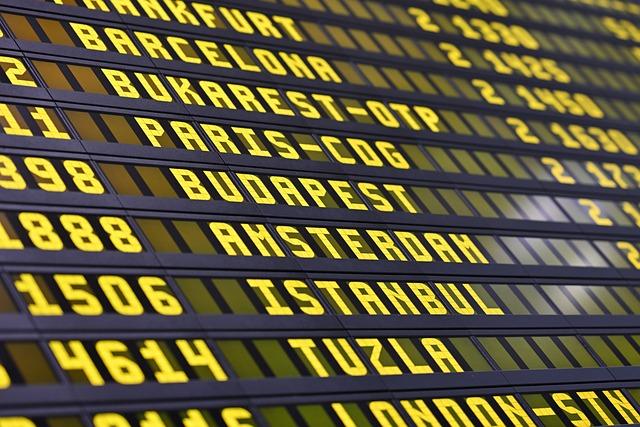
In recent years, J.A. Pengel International Airport has become a focal point for enhancing regional connectivity and economic development in Suriname. To fully harness the potential of this strategic hub, a comprehensive airport infrastructure upgrade is essential. Such enhancements not only facilitate smoother passenger experiences but also significantly boost cargo traffic, which is vital for the country’s economy.
Key areas for enhancement include:
- Runway Expansion: Extending the runway to accommodate larger aircraft and increase operational capacity.
- Modern Terminal Facilities: Upgrading passenger terminals to offer world-class amenities and streamline check-in and security processes.
- Enhanced Cargo Facilities: Establishing dedicated cargo terminals equipped with advanced logistics technology to attract international freight operations.
- Advanced Navigation Systems: Implementing cutting-edge navigation and dialog technologies to improve safety and efficiency in air traffic management.
The potential for growth is further underscored by the proposed investment in enduring energy solutions and smart technology. For instance, integrating solar panels and other green technologies can reduce operational costs while aligning with global sustainability trends.These initiatives not only enhance the airport’s infrastructure but also position Suriname as an environmentally responsible player on the international stage.
| Infrastructure Element | Expected Benefit |
|---|---|
| Runway Expansion | Increased flight capacity and larger aircraft accommodation |
| Terminal Upgrade | Improved passenger experience and reduced waiting times |
| Enhanced Cargo Services | Attraction of more international freight carriers |
| smart Technology Adoption | Operational efficiency and cost reduction |
By strategically enhancing its airport infrastructure, J.A.Pengel International Airport is not just preparing for increased passenger and cargo traffic; it is also paving the way for Suriname to become a pivotal player in the Caribbean and South American aviation landscape. Such improvements promise substantial economic benefits, positioning the airport as a gateway that facilitates tourism, trade, and global connectivity.
Leveraging Technology for Improved Operations and Passenger Experience

The integration of advanced technology at J.A. Pengel International Airport is setting a new standard for operational efficiency and passenger satisfaction. By harnessing the latest in digital solutions,the airport is not only streamlining its processes but also enhancing the overall travel experience. Key initiatives include the implementation of automated check-in kiosks, self-bag drop facilities, and a state-of-the-art baggage handling system.
Key benefits of these technological advancements include:
- Reduced Wait Times: Automated systems help decrease the time passengers spend in lines,allowing for quicker boarding and arrivals.
- Enhanced Security: Smart surveillance and advanced screening technologies are improving safety without compromising efficiency.
- Real-Time Updates: Digital displays and mobile applications provide travelers with timely facts regarding flight status, gate changes, and other essential announcements.
Moreover, the airport management is committed to maintaining a sustainable operational model, embracing green technologies such as energy-efficient lighting and recycling initiatives. Through the adoption of cloud-based platforms, the airport is also enabling data-driven decision-making to enhance service delivery and operational analytics.
In a bid to further enhance passenger engagement, the airport is exploring the introduction of an interactive mobile app that will facilitate:
- Customized Travel Experience: Passengers can receive tailored recommendations based on their travel preferences.
- Facilitated Services: Users can book lounges, parking, or transportation options directly from their devices.
- Feedback Mechanism: Travelers can instantly share their experiences, providing the airport with critical insights for continuous improvement.
Sustainable Practices: Paving the Way for Eco-Friendly Airport Development

In the quest for sustainable airport development, J.A.Pengel International Airport is setting a benchmark for environmental responsibility. By integrating eco-friendly practices into its operational framework, the airport is addressing the urgent need for greener infrastructure in the aviation sector. Among these initiatives, the following sustainable strategies stand out:
- Renewable Energy Integration: Utilizing solar panels and wind turbines to power terminal facilities, effectively reducing dependence on fossil fuels and lower energy costs.
- Eco-Friendly Construction Materials: Incorporating sustainable materials, such as recycled steel and low-carbon concrete, in building new terminals and runways.
- Water Conservation Measures: Implementing rainwater harvesting systems and efficient drainage solutions to maximize water usage.
- Green Landscaping: Planting native vegetation around airport perimeters to enhance biodiversity and reduce soil erosion.
Additionally, the airport has adopted a comprehensive waste management plan that focuses on minimizing landfill contributions. The strategy includes:
| Waste Type | Management Strategy |
|---|---|
| Plastic waste | Recycling and partnerships with local NGOs for clean-up initiatives |
| Food Waste | Composting and collaboration with local farmers for organic waste repurposing |
| Electronic Waste | Responsible recycling through certified e-waste vendors |
Through these various eco-conscious strategies, J.A. Pengel International airport not only advances its operational efficiency but also aligns with global sustainability goals. This progressive approach exemplifies how airports can play a crucial role in reducing their carbon footprint while enhancing passenger experience and environmental stewardship.
Collaboration with Airlines and Tourism Boards to Drive Connectivity

To enhance connectivity and stimulate economic growth, J.A. Pengel International Airport is actively forging partnerships with airlines and tourism boards. By aligning the interests of these stakeholders, we are creating a robust network that enhances travel options for both locals and international visitors. The goal is to make Suriname a more accessible destination by expanding direct flight options and improving service offerings.
Key strategies include:
- Joint Marketing Campaigns: Collaborating with airlines and tourism boards to launch unified marketing initiatives that promote Suriname as a vibrant travel destination.
- Incentives for Airlines: offering competitive incentives for airlines to introduce new routes, such as reduced landing fees and promotional support.
- Engagement with Tour Operators: Creating tailored travel packages in partnership with tour operators to highlight the unique cultural and natural attractions of Suriname.
Furthermore, we are committed to enhancing the passenger experience at the airport. By partnering with airlines, we aim to streamline check-in processes and improve overall service efficiency.This collaborative approach not only enhances customer satisfaction but also positions J.A. Pengel International airport as a central hub in South America.
| Airline | Route | Frequency | Target Launch Date |
|---|---|---|---|
| Airline A | Paramaribo - Amsterdam | Daily | June 2024 |
| Airline B | Paramaribo – Miami | Weekly | August 2024 |
| Airline C | Paramaribo – Brasilia | Bi-weekly | July 2024 |
This focus on collaboration not only promotes aviation connections but also paves the way for increased tourism flow into Suriname. As visitors discover the rich cultural heritage and stunning landscapes, they contribute to the local economy and create a sustainable growth model for the region.
Marketing Suriname as a Gateway: Attracting International Airlines and Travelers

Suriname’s strategic position offers a unique prospect to position J.A. Pengel International Airport as a vital entry point for travelers seeking to explore South America’s diverse cultures and natural wonders. As global travel patterns evolve, international airlines are on the lookout for emerging markets, and Suriname’s untapped potential makes it a prime candidate for expansion. By promoting the nation’s hospitality, cultural heritage, and ecological tourism, stakeholders can effectively enhance the airport’s appeal to both airlines and passengers.
To attract international airlines, the following strategies can be employed:
- Incentives for Airlines: Competitive landing fees and operational subsidies can entice airlines to introduce new routes.
- marketing Campaigns: Targeted campaigns in key markets could highlight Suriname’s unique offerings, such as eco-tours and vibrant festivals.
- Partnerships: Collaborations with regional tourism boards and local businesses can enhance the travel experience, creating packages that promote suriname as a full destination rather than just a transit point.
Moreover,enhancing passenger experience at the airport is essential for attracting travelers:
- Modern Facilities: Upgrading amenities including lounges,dining options,and shopping areas can improve traveler satisfaction.
- Streamlined Processes: efficient customs and immigration procedures can make the airport more appealing, reducing wait times and enhancing overall convenience.
- Customer Service Training: Focusing on high-quality customer service ensures travelers have a positive frist impression of Suriname.
Working in tandem, these initiatives can create a compelling proposition for airlines to operate out of J.A. Pengel International Airport, ultimately positioning Suriname as a important travel hub in the region.
Closing remarks
the development and enhancement of J.A. Pengel International Airport are pivotal for bolstering Suriname’s position as a key player in the Caribbean aviation landscape. As the airport undergoes significant upgrades aimed at improving passenger experience, expanding capacity, and attracting international airlines, it is poised to become an essential hub for both tourism and commerce. Strategic investments in infrastructure and services will not only increase operational efficiency but also promote economic growth in the region. Moving forward, the collaboration between government authorities, private stakeholders, and the local community will be critical in ensuring that these advancements translate into sustained traction and success for Suriname’s aviation sector. The future of J.A. Pengel International Airport lies in harnessing its potential to connect Suriname with the global market, paving the way for increased travel opportunities and economic prosperity.











