


In recent weeks, Venezuela has continued to grapple with an escalating political crisis as President Nicolás Maduro appears to be backtracking on his promise to hold free and fair elections. Amid growing concerns from the international community, including the United States, Maduro’s administration is accused of undermining democratic processes, further entrenching his power amid widespread discontent. As the stakes rise for millions of Venezuelans yearning for political change, the U.S. faces a delicate challenge: how to navigate it’s response effectively without exacerbating the already volatile situation. This article delves into the implications of Maduro’s defiance,the potential paths for U.S. intervention, and the broader consequences for Venezuelan democracy and regional stability, drawing on insights from Chatham House experts.
Maduro’s Disregard for Democratic Norms in Venezuela
The political landscape in Venezuela continues to deteriorate under Nicolás Maduro’s regime, a troubling trend marked by a systematic erosion of democratic principles. Despite international calls for legitimate electoral practices, Maduro remains steadfast in his approach, consistently prioritizing power retention over the democratic will of the people. Signs of this disregard are evident through several actions:
- Election Manipulation: The Venezuelan government routinely implements measures that undermine electoral integrity, such as disqualifying opposition candidates and manipulating voting processes.
- Intimidation Tactics: Political dissent is met with repression; opposition leaders face harassment,arrest,or worse,discouraging any attempts at democratic engagement.
- Control of Institutions: Maduro’s administration exerts control over key governmental institutions, including the electoral authority, which should operate independently, thereby centralizing power even further.
In this context,the role of the United States becomes increasingly complex. While many advocate for a strong reaction to Maduro’s actions, it is crucial to consider the potential ramifications of U.S. intervention. A measured approach could involve diplomatic channels aimed at supporting civil society and exploring avenues for dialog. Key strategies might include:
- Sanctions on Officials: Targeted sanctions could be imposed on Maduro’s inner circle to weaken their grip on power without further destabilizing the country.
- Supporting human Rights Initiatives: The U.S. can bolster non-governmental organizations that work to promote human rights and democracy in Venezuela.
- Engagement with Regional Partners: Collaborating with Latin American countries to formulate a unified stance on Venezuela can amplify pressure on the Maduro regime.
Ultimately, a careful and strategic response is essential.The U.S. must tread lightly,balancing the need to support Venezuelans’ aspirations for democracy while avoiding actions that could inadvertently exacerbate the crisis.The stakes are high,both for Venezuela and the broader region,making U.S. policy a matter of critical concern for all those who advocate for democratic governance.
The Importance of Free Elections in Restoring Stability

The principle of free elections is foundational to democratic governance and is essential for the restoration of stability in countries facing political turmoil. In Venezuela, the absence of genuine electoral processes has exacerbated divisions within society and fostered a climate of distrust among citizens. A commitment to clear and competitive elections can unleash a transformative dialogue, allowing for diverse voices to contribute to the nation’s future.
free elections offer several critical benefits:
- Legitimacy: Elected leaders gain legitimacy and credibility in the eyes of both the citizens and the international community.
- Accountability: Regular elections ensure that political leaders remain accountable to the electorate, reducing the propensity for authoritarianism.
- Social Cohesion: Including multiple political factions in a fair electoral process can help bridge societal divides, fostering unity and collaboration among different groups.
- Peaceful Transition: Established electoral systems create pathways for political change without resorting to violence, facilitating peaceful transitions of power.
In Venezuela, the commitment to hold free and fair elections is not merely a political obligation; it is crucial for the restoration of social order. Without this commitment, economic recovery and humanitarian efforts will be severely undermined. Engaging the international community—particularly through diplomatic channels—is vital to influence the Venezuelan regime towards genuine reforms.The U.S. and its allies must cautiously navigate this landscape, weighing both the potential benefits of intervention against the risks of exacerbating the current crisis.
| factors Contributing to Stability | Impact of Free Elections |
|---|---|
| Governance | Enhances political coherence and public trust |
| Economic Growth | Encourages investment and economic recovery |
| Human Rights | Fosters a culture of respect and justice |
US Policy Options in Response to Venezuela’s Election Crisis
As Venezuela grapples with an escalating election crisis, the United States finds itself at a crossroads, needing to balance diplomatic efforts with the pressures of humanitarian concern. The U.S. can consider several nuanced policy options that aim to encourage democratic processes while minimizing the potential for escalation. These strategies should include:
- Targeted Sanctions: Focus on key actors in Maduro’s regime, including officials responsible for election manipulation. Sanctions can serve as a strong diplomatic signal that undermining democracy will have tangible consequences.
- Support for Democratic Institutions: Increase support for NGOs, civil society, and media organizations within Venezuela that promote free and fair elections. Investing in grassroots initiatives could empower local actors in the long term.
- Multilateral Engagement: Collaborate with regional partners and international organizations to create a united front against electoral fraud. This could enhance legitimacy and amplify pressure on the Maduro government.
- Humanitarian Assistance: Given the dire humanitarian situation,it’s crucial to facilitate aid that alleviates suffering without directly supporting the regime. A careful approach could bolster U.S. standing and accountability for the government.
Moreover, the U.S. must remain vigilant in its messaging, ensuring that the focus remains firmly on the restoration of democratic processes rather than regime change. This entails establishing clear communication channels with Venezuelan citizens to assure them that U.S. actions are aligned with their aspirations for democracy and stability.
| Policy Option | Potential Impact |
|---|---|
| Targeted Sanctions | Pressure key regime figures, signal zero tolerance for electoral misconduct. |
| Support for Democratic Institutions | Empower local actors, strengthen civil society engagement. |
| Multilateral Engagement | Create a stronger coalition for accountability and oversight. |
| Humanitarian Assistance | Alleviate suffering while maintaining pressure on the regime. |
Navigating Diplomatic Channels: The Role of International Partnerships

In the complex landscape of international relations, the role of diplomatic partnerships cannot be overstated, especially when confrontations arise from regime actions like those of Maduro in Venezuela. As the U.S. navigates this precarious situation,fostering effective international coalitions becomes crucial to bolster pressure while avoiding escalations that could lead to conflicts.
To effectively address the crisis in Venezuela, it is indeed essential to:
- Engage Regional Allies: Collaborating with countries in Latin America that share concerns about Venezuela can amplify voices pushing for democratic reforms.
- Capitalize on Multilateral Institutions: Utilizing platforms such as the Organization of American States (OAS) can provide a structured approach to addressing violations and working towards a solution.
- Encourage Supportive Neighboring Nations: Coordinating with nations like Colombia and Brazil can facilitate a humanitarian response and reinforce the message against electoral malpractice.
However, the response must be measured; a unilateral approach from the U.S.could inadvertently alienate potential allies. As shown in the following table, the need for a nuanced response is becoming increasingly evident:
| Potential Approaches | Advantages | Risks |
|---|---|---|
| Sanctions on Key Officials | Targeted pressure on Maduro’s inner circle | Possible diplomatic fallout with other nations |
| International Observers | Ensure clarity in the electoral process | Government might deny access |
| Support for Civil Society | Empower grassroots movements for change | Risk of government repression against activists |
while the U.S. must hold Maduro accountable, a strong emphasis on global partnerships could guide the nation toward achieving a more stable and democratic Venezuela. This approach balances the urgency for reform with the pragmatic necessities of diplomatic engagement.
Economic Sanctions vs. Engagement: Finding a Balanced Approach
The crisis in Venezuela has brought to the forefront the complex interplay between economic sanctions and diplomatic engagement as potential strategies for advancing democratic reform. The current situation under Maduro’s regime, characterized by blatant oppression and disregard for electoral commitments, poses significant challenges for U.S. foreign policy. Striking the right balance between punitive measures and constructive dialogue is crucial for achieving tangible outcomes.
Economic sanctions, while aimed at compelling compliance and addressing human rights abuses, often have unintended consequences that can exacerbate the plight of ordinary citizens.The following points highlight some of the challenges associated with sanctions:
- Humanitarian Impact: Sanctions can lead to shortages of essential goods, intensifying the suffering of the Venezuelan population.
- Strengthening Authoritarian Regimes: Leaders like Maduro may use sanctions as a political tool,framing them as attacks against sovereignty,which can bolster their support among certain demographics.
- Limited Effectiveness: History shows that sanctions alone rarely achieve their intended political outcomes,especially when a regime is entrenched.
Conversely, diplomatic engagement can provide an avenue for dialogue and potential reform, fostering a more stable political environment. Key principles to consider in fostering engagement include:
- Conditional Support: Offering incentives for dialogue and reform, paired with clear consequences for continued violations of democratic norms.
- Multilateral Coordination: Collaborating with international partners to present a united front can amplify the effectiveness of diplomatic efforts.
- Empowering Civil Society: Supporting local NGOs and grassroots movements can help strengthen democratic aspirations from within the country.
Ultimately, a balanced approach that combines the strategic use of sanctions with diplomatic engagement may be the most effective way to navigate the challenging political landscape in Venezuela. This multifaceted strategy seeks not onyl to pressure the Maduro regime but also to open channels for dialogue that could lead to genuine democratic processes.
Building Support for Democratic Movements Within Venezuela
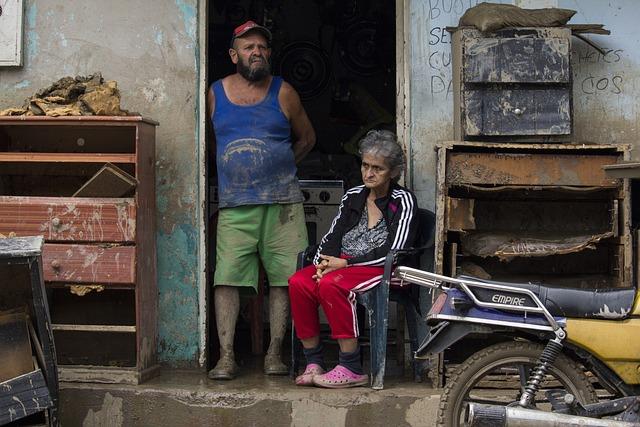
In recent years, the Venezuelan political landscape has become increasingly repressive, stifling the aspirations of many who strive for democratic governance. Despite promises of free elections, President Maduro’s regime has systematically undermined democratic institutions, leading to international concern about the country’s future. To effectively support democratic movements within Venezuela, it is indeed essential for the international community, particularly the United States, to adopt a multifaceted approach that includes
- Engagement with Non-Governmental Organizations (NGOs): Collaborating with local and international NGOs can provide grassroots support for democratic initiatives. These organizations often have a better understanding of the local context and can mobilize communities more effectively.
- Increased Diplomatic Pressure: The U.S. should leverage diplomatic channels to hold Maduro accountable by engaging with allies and regional organizations to present a unified front demanding a return to democratic norms.
- Targeted sanctions: Employing sanctions that specifically target individuals and entities involved in human rights violations and corrupt practices can weaken the regime’s hold on power without harming the wider population.
Moreover, it is crucial to provide platforms for political opposition and civil society to thrive. Supporting self-reliant media outlets can definitely help ensure that venezuelans have access to reliable facts, countering state-sponsored propaganda.In addition, fostering dialogue among various political factions can pave the way for a more inclusive political landscape.
The international community must remain vigilant and adaptable in its strategy, recognizing the dynamic and frequently enough volatile nature of the situation in Venezuela. By building robust support for democratic movements while ensuring that responses do not inadvertently reinforce the regime’s narrative,the U.S. can contribute to a enduring pathway toward democracy in Venezuela.
| Strategies for Supporting Democracy | Description |
|---|---|
| Engagement with NGOs | support grassroots initiatives that promote democratic values. |
| Diplomatic Pressure | Work with global partners to collectively respond to human rights abuses. |
| Targeted Sanctions | Implement measures against key figures in the regime. |
| Support Independent Media | Facilitate access to credible news outlets to combat misinformation. |
| Encourage Political Dialogue | Promote negotiations between opposition groups for unity. |
Future Outlook
the ongoing situation in Venezuela serves as a stark reminder of the complexities surrounding democratic governance and international diplomacy. Nicolás Maduro’s apparent disregard for his own pledges to conduct free elections raises critical questions about the future of democracy in the country and the broader implications for regional stability. As the United States considers its response, it must navigate these challenges with caution, balancing the need to support Venezuelan citizens in their quest for democratic reform with the geopolitical ramifications of its actions.Engaging in a multilateral approach, alongside regional partners and international organizations, could provide a pathway toward facilitating genuine dialogue and fostering an environment conducive to free and fair elections. The stakes are high, and the choices made now will undoubtedly shape not only Venezuela’s future but also the contours of U.S.-Latin American relations for years to come.











