


In a surprising turn of events, former President Donald Trump’s comments regarding the acquisition of Greenland have reignited discussions surrounding the island’s political status and aspirations for independence. This notorious proposal, which first gained traction during Trump’s presidency, is resonating with Greenland’s burgeoning independence movement. As the island grapples with its identity and future amidst increasing interest from global powers, trump’s remarks have not only intensified debates over sovereignty but have also spotlighted the complex dynamics between Greenland and Denmark, its colonial ruler. In this article, we explore how Trump’s controversial statements could inadvertently fuel a renewed push for self-determination in Greenland, while examining the historical and geopolitical factors that shape this invigorating narrative.
Trump’s Controversial Remarks Ignite Greenland’s Independence Aspirations

In the wake of recent remarks by former President Donald Trump regarding the acquisition of Greenland, the conversation surrounding the island’s autonomy has gained renewed momentum. Many Greenlanders, long influenced by their status as an autonomous territory within the Kingdom of Denmark, are now reflecting on what full independence could mean for their cultural identity, governance, and economic future.
Trump’s comments, perceived by some as flippant or ill-informed, have inadvertently illuminated the longstanding desire among many greenlanders for greater self-determination. This has sparked discussions around key issues, including:
- Natural resources: The potential for mining and economic development.
- Cultural heritage: The importance of preserving Inuit traditions and language.
- Political voice: the aspiration for a greater say in international affairs.
As islanders weigh their options, many are looking at their political relationship with Denmark and the implications of pursuing outright sovereignty. The debate has shifted from mere speculation to serious discussion, with polls suggesting a growing appetite among the populace for independence. Local leaders are now actively engaging with citizens, gathering insights on what independence would entail.
To better understand the dynamics at play,consider the following table showcasing current sentiments among Greenlanders regarding independence:
| Sentiment | Percentage |
|---|---|
| Support for Independence | 54% |
| Preference for Continued Union with Denmark | 31% |
| Undecided | 15% |
The conversations surrounding potential independence have not only amplified calls for local governance but also reinvigorated cultural pride and a collective imagination about a future where Greenland stands on its own. As the world watches, the result may very well shape the geopolitical landscape of the Arctic region for years to come.
Historical Context of greenland’s Status and Independence Movement
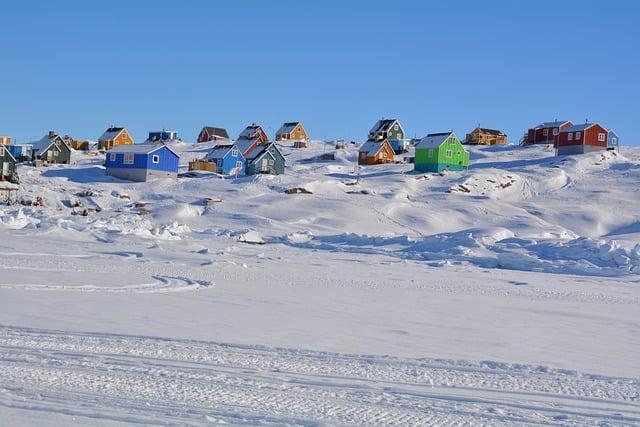
The historical backdrop of Greenland’s quest for autonomy is complex, rooted in a long colonial past that has shaped its political landscape. Initially colonized by Denmark in the 18th century, Greenland was treated as a territory under Danish control, which led to critically important socio-cultural and economic transformations. over the decades, various movements advocating for self-determination began to emerge, fueled by the growing awareness of nationalism and indigenous rights.
Following World War II, Greenland’s status was further scrutinized, as its strategic location drew international interest, notably from the United States. The 1953 incorporation of Greenland into the Kingdom of Denmark marked a pivotal transition, offering limited local governance. However, demands for greater self-governance intensified, culminating in the Greenland Home Rule Act of 1979 and the Self-Government Act of 2009, which granted considerable autonomy while preserving the Danish monarchy’s symbolic presence.
Amidst ongoing debates around independence, recent remarks by prominent figures, such as former President Donald Trump, have rekindled discussions about Greenland’s status. Specifically, Trump’s suggestion of acquiring Greenland placed the spotlight back on the island’s geopolitical meaning and the implications of external interest. This has inadvertently energized the independence movement, as many Greenlanders express discomfort over their nation being viewed merely as a strategic asset rather than a self-determined entity.
| Year | Event | Impact |
|---|---|---|
| 1721 | Denmark colonizes Greenland | Beginning of Danish rule |
| 1953 | Incorporation into Denmark | Limited local governance initiated |
| 1979 | Home Rule Act | Increased local self-governance |
| 2009 | Self-Government Act | Further autonomy granted |
The Economic Implications of Greenland’s Pursuit for Sovereignty
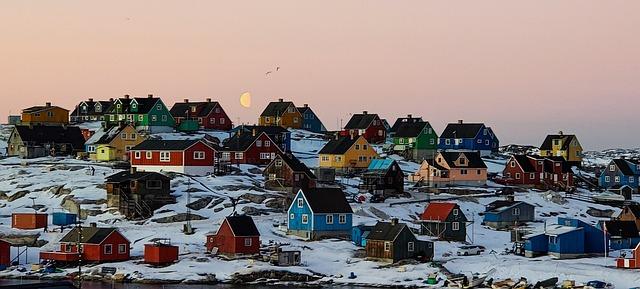
The recent resurgence of interest in Greenland’s sovereignty, especially fueled by comments from significant political figures, has ignited discussions around the island’s economic prospects. As Greenland positions itself on the international stage, its push for autonomy could lead to profound shifts in its economic landscape. With considerable natural resources, including rare earth minerals, potential offshore oil reserves, and fisheries, Greenland’s independence could enable it to leverage its assets more effectively on a global scale.
In the context of independence, several economic implications arise:
- Resource Management: Greenland could gain full control over extraction and management of its natural resources, possibly increasing revenue through exports and attracting foreign investment.
- New Trade Partnerships: Independence may open doors to new trade agreements and partnerships,allowing Greenland to tap into broader markets.
- Investment in Infrastructure: Sovereignty would necessitate investment in local infrastructure, which could create jobs and stimulate economic growth, though it also poses financial challenges.
- Tourism Growth: with concerted efforts towards promoting its culture and natural beauty, Greenland could enhance tourism, further diversifying its economy.
Though,challenges accompany these potential economic gains. The transition to full sovereignty may require significant financial support and investment from the international community,and deliberations over sharing existing resource revenues could lead to tension with former governing bodies. Additionally, concerns about environmental sustainability must be addressed as Greenland navigates increased economic activity, particularly in sensitive areas such as fishing and mining, ensuring that growth does not come at the cost of ecological degradation.
| Opportunities | Challenges |
|---|---|
| Control over natural resources | Financial dependency on external support |
| Growth in tourism sector | Environmental sustainability concerns |
| New trade agreements | Potential political tension with Denmark |
International Reactions to Trump’s Seizure Comments and Their Impact

Following former President Trump’s controversial remarks about seizing Greenland, international reactions have poured in, illustrating the precarious nature of geopolitical discourse. Leaders from various countries have expressed their concerns,with many emphasizing the importance of respecting national sovereignty and promoting diplomatic dialog over the rhetoric of territorial acquisition. The implications of such statements extend far beyond casual conversation, fueling existing sentiments within Greenland regarding independence from Denmark.
In a recent statement, Danish Prime Minister Mette Frederiksen reiterated her commitment to Greenland’s autonomy, underscoring that any discussion surrounding the territory must include its residents. Concerns about Trump’s comments were echoed worldwide, as they reignited debates on colonialism and the autonomy of indigenous populations. Various countries have also highlighted the need for respect in international relations, warning against any notions of aggression or ownership that detracts from peaceful negotiations.
Several international organizations and political analysts have weighed in on the potential impact of Trump’s comments. The following points summarize key observations:
- Increased Calls for Independence: Greenlandic leaders may harness the situation to bolster their push for greater autonomy.
- Shift in Global Perception: The remarks could tarnish the U.S.’s reputation as a proponent of self-determination.
- Diplomatic Tensions: Relations between the U.S.and Denmark could be strained amidst such provocative statements.
In response to these events, a survey was conducted to gauge public sentiment regarding greenland’s future. The data is represented in the table below:
| Response | Percentage |
|---|---|
| Support for Independence | 67% |
| Desire for Continued Danish Ties | 25% |
| Uncertain on Future | 8% |
the reaction to Trump’s comments reveals a complex landscape where geopolitical rhetoric meets the aspirations of local populations. As Greenland navigates its path forward, the international community remains watchful, aware that the dynamics of power and influence are continuously evolving.
Potential Pathways for Greenland’s Independence Negotiations
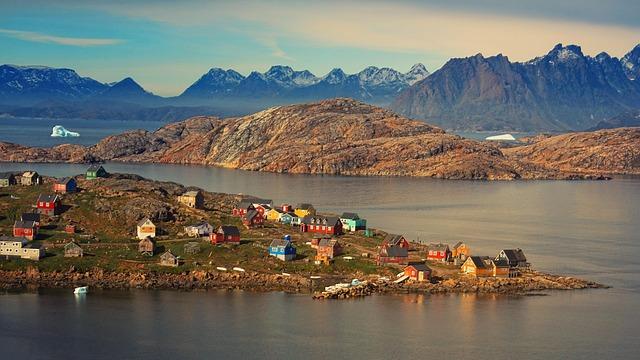
The recent remarks by former President Trump regarding the acquisition of Greenland have inadvertently spotlighted the island’s historical context and aspirations for self-determination. Greenland’s independence negotiations could take several potential pathways, reflecting the island’s unique geopolitical situation and relationship with Denmark. As calls for independence grow, various strategies emerging from Greenlandic leaders become crucial in shaping the future.
- Increased Autonomy Efforts: Advocates for independence may focus on obtaining greater autonomy within the Kingdom of denmark. This could involve negotiating stronger constitutional provisions that allow for more local governance while maintaining certain ties to Denmark for financial and defense support.
- Public Referendum: One of the most straightforward methods for asserting independence could be through a public referendum. This pathway would enable citizens to voice their opinions directly, providing a democratic mandate for independence talks.
- International Diplomacy: Engaging with international bodies like the United Nations can gain support for Greenland’s case for independence.By emphasizing their unique culture and societal needs, Greenland could foster relationships with other nations sympathetic to their cause.
- Economic Strategy Development: Economic self-sufficiency is vital for any movement toward independence. Developing resources such as minerals, tourism, and green energy could provide the necessary financial stability to operate independently.
Beneath these strategies lies the delicate balance of maintaining a positive relationship with Denmark, which still plays a central role in Greenland’s economy and governance. As independence negotiations progress, the need for collaborative dialogues will be crucial in ensuring a peaceful transition toward potential sovereignty. The outcome of these discussions will not only define Greenland’s role on the global stage but also serve as a critical case study for other territories seeking self-determination.
The Role of Global Powers in Shaping Greenland’s Future Autonomy
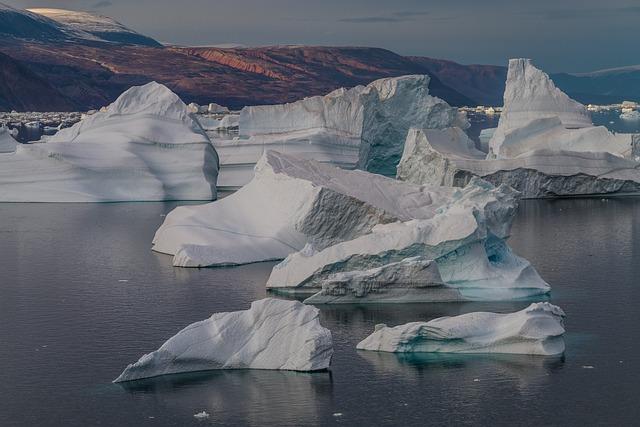
The geopolitical landscape surrounding greenland has become increasingly complex, especially with the involvement of major global powers.The notion that the united States might ‘purchase’ Greenland, as once suggested by former President Trump, has ignited discussions about the island’s autonomy and future governance. This viewpoint has not only amplified Greenland’s aspirations for independence but has also prompted a re-evaluation of its relationships with regional players such as Denmark, Russia, and China.
Central to the debate on Greenland’s autonomy are key factors influenced by global powers:
- Strategic Importance: Greenland’s geographical location is significant for military and economic interests, drawing interest from superpowers that are keen to enhance their presence in the Arctic.
- Resource Accessibility: The melting ice caps are revealing untapped mineral and oil reserves, which could lead to increased investment and competition among nations vying for control.
- Environmental Concerns: Global warming and its effects on the Arctic region call for responsible governance, with global powers needing to collaborate with Greenland to address enduring development.
The pursuit of autonomy is further intricate by the involvement of external players. For instance,China’s growing interest in Greenland presents both opportunities and challenges,as it seeks to invest in infrastructure and mining projects while stirring concerns over sovereignty and foreign influence. Conversely, Denmark’s role as Greenland’s primary governing body has also evolved, with the Northern European nation wrestling with the balance between supporting Greenland’s self-determination and maintaining its own national interests.
Ultimately, the discourse around global powers and Greenland’s autonomy is marked by a delicate interplay of ambition, caution, and the quest for self-identity. As the world watches closely, decisions made in the coming years will shape not only Greenland’s future but will also have broader implications in the geopolitical arena.
Closing Remarks
President Trump’s controversial remarks regarding the potential acquisition of Greenland have inadvertently reignited discussions surrounding the island’s quest for independence. As tensions between the United States and Denmark resurface, Greenland’s leaders are seizing the moment to highlight their sovereignty and seek greater autonomy from Danish rule. This unexpected diplomatic development serves as a reminder of the complexities of territorial governance and the aspirations of nations striving for self-determination. The evolving narrative of Greenland’s political landscape will be closely monitored, as it not only reflects the island’s aspirations but also the intricate interplay of international relations in a changing geopolitical climate.











