


In a meaningful escalation of government control, Nicaragua has taken teh drastic step of outlawing approximately 1,500 non-governmental organizations (NGOs), including a number of religious charities that have played vital roles in community support and humanitarian efforts. This sweeping measure, which critics argue suppresses civil society and stifles dissent, comes amid an increasingly authoritarian regime under President Daniel Ortega. The closure of these organizations not only impacts the delivery of essential services but also raises alarms about the future of civic engagement and religious freedom in a country already grappling with political turmoil. As Nicaragua navigates this contentious landscape, the implications of such a large-scale crackdown on NGOs are profound, prompting questions about the balance between state authority and the crucial work carried out by these organizations for the marginalized and vulnerable populations they serve.
Nicaragua’s Sweeping Ban on NGOs and Its Implications for Civil Society
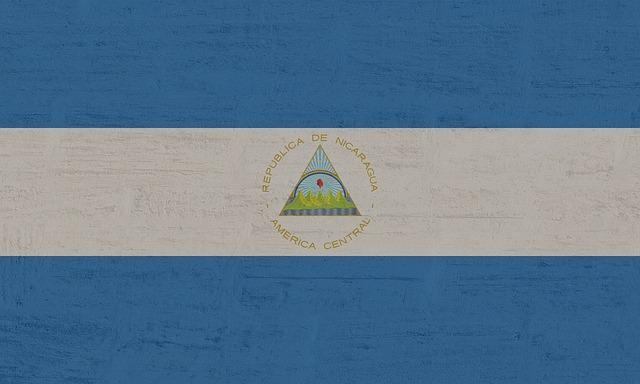
Nicaragua’s recent decision to outlaw over 1,500 non-governmental organizations (NGOs) marks a significant escalation in the government’s campaign against civil society. This sweeping measure has predominantly targeted organizations that have been critical of the regime, further consolidating state power and diminishing the space for dissent. The implications of this move are profound, affecting various sectors that rely on NGO support, including education, health care, and social services.
The rationale provided by the Nicaraguan authorities for this crackdown often centers on allegations of illegal activities and financial mismanagement. However, many view this as a pretext to silence opposition voices and curtail the influence of independent organizations. The groups affected by this ban include:
- Charity organizations providing essential services to marginalized communities
- Human rights groups advocating for justice and accountability
- Religious charities offering support and shelter to vulnerable populations
- Environmental NGOs working to protect Nicaragua’s rich biodiversity
The implications of this ban extend to the overall health of Nicaragua’s civil society. Without the presence of these NGOs, many citizens may struggle to access vital services. In addition, the absence of independent oversight can lead to increased human rights abuses and a decline in democratic norms. A recent survey highlighted the potential impacts:
| Sector | Potential Impact |
|---|---|
| Health Care | Lack of medical assistance and support for vulnerable populations |
| Education | Reduced access to educational resources and programs |
| Human Rights | Increased government impunity and lack of accountability |
| Social Justice | Weakened advocacy for minority rights |
This decisive action against NGOs underscores a growing authoritarianism within Nicaragua and represents a formidable challenge for civil society. The long-term repercussions of these developments will likely hinder community resilience and compromise the well-being of countless citizens who depend on the support these organizations once provided.
The Impact of NGO Closures on Vulnerable Communities in Nicaragua

The recent decision to outlaw more than 1,500 non-governmental organizations (NGOs) in Nicaragua has sent shockwaves through communities that have long relied on these entities for crucial support and services. The abrupt closure of humanitarian groups, many of which focused on providing health care, education, and social services, leaves a significant gap in the safety net for vulnerable populations, especially in rural and marginalized areas.
Among the most affected groups are:
- Women and Girls: Many NGOs targeted issues such as domestic violence, reproductive health, and education, which are vital for empowering women and improving community health.
- Low-Income Families: Assistance with food security and housing that these organizations provided will be sorely missed, increasing risks of poverty and malnutrition.
- Children: Educational and extracurricular programs have been curtailed,jeopardizing the futures of countless young people and limiting their opportunities for advancement.
As a direct consequence of these closures, there is a growing concern that health and social metrics will regress. The government’s decision undermines the work of many organizations that have built trust and rapport within local communities over decades, effectively dismantling networks that facilitated support during crises. Reports indicate an increase in mental health issues and household instability as residents grapple with the ramifications of losing access to essential services.
| Closure Effects | Potential Consequences |
|---|---|
| Loss of Health services | Increased mortality rates and untreated diseases |
| Education disruption | Lower literacy rates and diminished job prospects |
| Food Assistance Reduction | Higher levels of food insecurity and malnutrition |
| Social Support Loss | Rise in domestic violence and mental health issues |
This systematic dismantling of civil society infrastructure not only impacts immediate needs but also sows distrust towards governmental systems, highlighting a dire need for advocacy and support from the international community. The ramifications of these closures will likely persist for years, affecting the socio-economic fabric of Nicaraguan society.
Assessing the Government’s Justifications for Outlawing Religious Charities

The recent decision by the Nicaraguan government to outlaw 1,500 NGOs,including a significant number of religious charities,raises critical questions regarding the motivations behind such a drastic action. Officials have claimed that these organizations operate with a lack of transparency and accountability, alleging that many have become a front for foreign interference in national affairs. However,the lack of concrete evidence to substantiate these claims has sparked skepticism among various political analysts and human rights advocates.
Moreover, the impact of this action extends beyond mere organizational shutdowns; it threatens to undermine crucial social services that NGOs, especially religious charities, have been providing. Many of these charities play vital roles in community support, offering food, healthcare, and educational services to the most vulnerable populations. The government’s justifications seem to overlook these humanitarian contributions,raising a basic ethical question about the balance between national sovereignty and the welfare of citizens.
Key points for consideration include:
- Lack of evidence: Critics argue that the government has failed to provide significant proof of wrongdoing by these NGOs.
- Humanitarian impact: The closure of these charities could severely affect communities that depend on their services.
- Political motives: Many analysts suspect that the crackdown is more about silencing dissent than addressing genuine issues.
- Alternative accountability measures: Instead of outright bans, improved regulatory frameworks could foster transparency without compromising charitable missions.
In light of these critiques, it is essential to question whether the government’s actions reflect a legitimate concern for governance or an attempt to consolidate power by eliminating channels of support and dissent. A thorough examination of the implications for both governance and societal welfare is necessary to navigate these complex dynamics.
International Reactions and Calls for Accountability Following NGO Crackdowns

The recent decision by Nicaragua to crack down on 1,500 non-governmental organizations (ngos), including a considerable number of religious charities, has elicited strong international criticism and raised significant concerns regarding human rights and civil society. Governments, NGOs, and international bodies have expressed alarm at the growing trend of authoritarianism and repression in Nicaragua. Many have called for accountability, emphasizing the fundamental role these organizations play in providing essential services, particularly in vulnerable communities.
Key international responses include:
- United Nations: The UN Secretary-General condemned the move,urging the Nicaraguan government to uphold its obligations under international human rights laws.
- European Union: EU officials warned that such actions undermine civil society and democratic principles, calling for immediate reversal of the law and restoration of freedoms.
- Human Rights Watch: This organization appealed to global leaders to leverage diplomatic pressure and economic sanctions against the Nicaraguan regime.
Moreover, various religious leaders and human rights activists have joined in advocating for restored freedoms, asserting that these closures jeopardize not only humanitarian efforts but also the spiritual and social fabric of communities nationwide. Observers fear that this crackdown could lead to further isolation of Nicaragua on the global stage, as many countries assess their diplomatic and economic relations with the Ortega administration.
There is a growing call for comprehensive investigations into the motives and ramifications of the government’s actions against NGOs. With an expected rise in public discontent, the international community remains vigilant, monitoring the situation closely, and demanding accountability for violations of fundamental rights.
Strategies for Sustaining Humanitarian Aid Amidst Regulatory Challenges
In the face of increasing regulation, humanitarian organizations must adopt innovative strategies to continue their vital work.One effective approach involves fostering collaboration with local communities, ensuring that aid initiatives are well-aligned with the needs and priorities of the populations they serve. By engaging community leaders and members, NGOs can not only enhance their understanding of local dynamics but also cultivate trust, which is critical in restrictive environments.
Another vital strategy is to diversify funding sources.Reliance on a single or limited number of donors can be precarious, especially when regulatory changes threaten the operational landscape.Organizations should explore opportunities for:
- Crowdfunding: Engaging individuals directly through online platforms can provide a steady stream of support.
- Partnerships: Collaborating with local businesses or international NGOs can open new funding avenues and resource-sharing opportunities.
- Grants from non-traditional sources: Considering support from foundations or government entities in other countries can definitely help mitigate funding risks.
Additionally, advocacy plays a crucial role in navigating regulatory challenges. Organizations need to effectively communicate the impact of their work and the risks associated with closing ngos. This includes leveraging media platforms, engaging with policymakers, and mobilizing public support to raise awareness of the essential services provided by humanitarian organizations. A table summarizing key advocacy approaches shows how these strategies can be implemented:
| Advocacy Approach | Description |
|---|---|
| Public Awareness Campaigns | Utilize social media and traditional media to highlight stories from beneficiaries. |
| Coalition Building | Partner with other NGOs to strengthen collective advocacy efforts. |
| policy Engagement | Directly apply pressure on policymakers to maintain a favorable operating environment. |
By embracing these strategies, humanitarian organizations can better navigate the regulatory landscape and continue providing essential support to vulnerable populations, even amidst significant challenges.
Potential Paths Forward for NGOs and Civil Society in Nicaragua
the recent crackdown on non-governmental organizations (NGOs) in Nicaragua represents a pivotal moment for civil society. As the government continues to dismantle these vital organizations, stakeholders must contemplate innovative ways to navigate this challenging landscape. The resilience of civil society will depend on the ability to adapt and explore alternative avenues for advocacy and support.
One potential path forward involves the establishment of networks of community-based organizations that can operate within a more localized framework. These grassroots entities can focus on leveraging local resources and fostering community resilience.By concentrating on small-scale initiatives, they can maintain a degree of autonomy and continue addressing critical issues such as education, health care, and human rights without drawing the ire of national authorities.
- Partnerships with International Organizations: Collaborating with global NGOs can provide both financial support and international visibility.
- Digital Advocacy: Utilizing online platforms can help raise awareness and mobilize international pressure on the Nicaraguan government.
- Focus on Humanitarian Efforts: Prioritizing aid efforts, particularly in areas unaffected by government surveillance, can ensure support reaches vulnerable populations.
Additionally, fostering coalitions among legal experts, activists, and local communities can fortify the legal framework surrounding civil liberties. Establishing a robust dialog around human rights issues and leveraging international law may help protect individuals facing the repercussions of governmental intolerance. Such strategies could ensure that even amidst restrictions, the voices of the Nicaraguan people endure and evolve.
To Conclude
the recent decision by the Nicaraguan government to outlaw 1,500 non-governmental organizations, including many that provide crucial support through religious charity, marks a significant escalation in the country’s ongoing crackdown on civil society. This policy not only raises concerns about the future of humanitarian efforts and social services within Nicaragua but also reflects the broader trend of increasing authoritarianism under President Daniel Ortega’s administration. As domestic and international actors grapple with the implications of this bold move, the human rights and social fabric of Nicaragua hang in the balance. Moving forward, the international community will be closely watching the situation, as the fight for human rights and freedom of assembly continues to face formidable challenges in the region. The long-term consequences of this crackdown will undoubtedly shape the landscape of Nicaraguan society and governance in the years to come.











