


As Hurricane kirk intensifies in the Atlantic, meteorologists are sounding the alarm for residents and travelers along the U.S. East Coast,the Bahamas,and Bermuda. With its projected path bringing hazardous surf conditions and potential disruptions, the tourism industry is bracing for impact. As coastal communities prepare for the storm’s effects, travelers are urged to stay informed and make necessary adjustments to thier plans. This article explores the current trajectory of Hurricane kirk, the anticipated impact on beachfront areas, and the meaningful implications for the travel industry as it navigates the challenges posed by natural disasters.
Impact of Hurricane Kirk on Coastal Conditions and Surf Safety

The onset of Hurricane Kirk has precipitated a considerable shift in coastal conditions along the U.S. East Coast, the Bahamas, and Bermuda, leading to increased surf hazards. Forecast models suggest that the hurricane’s path and intensity are expected to generate significantly elevated wave heights and hazardous riptide conditions, posing risks not only to beachgoers but also to marine activities.
Those venturing to coastal regions during this time should be aware of the following surf safety considerations:
- Adverse Whether Conditions: Heavy rains and strong winds accompanying the hurricane may lead to restricted visibility and treacherous surf conditions.
- Riptide Awareness: With the hurricane generating powerful waves, riptides are likely to become more prominent. Swimmers are urged to educate themselves on how to identify and react to riptides.
- Stay Informed: Updates on changing weather patterns and surf conditions are essential. Authorities may issue advisories, so keeping abreast of the latest forecasts is critical for safety.
The influence of Hurricane Kirk on surf safety cannot be overstated, especially for travelers intending to enjoy recreational water activities. Many local authorities are actively engaging in heightened surveillance and rescue readiness protocols to address any potential emergencies. Furthermore,beachfront businesses are adapting to the situation by monitoring customer safety and preparing for possible evacuations if conditions worsen.
| Surf Condition | Risk Level | Recommendation |
|---|---|---|
| Low Visibility | High | Avoid swimming; stay on shore. |
| High Waves | Medium | Be cautious; swim with a buddy. |
| Strong Riptides | Very High | Do not enter the water; heed local warnings. |
Travel advisories Issued as Hurricane Kirk Approaches
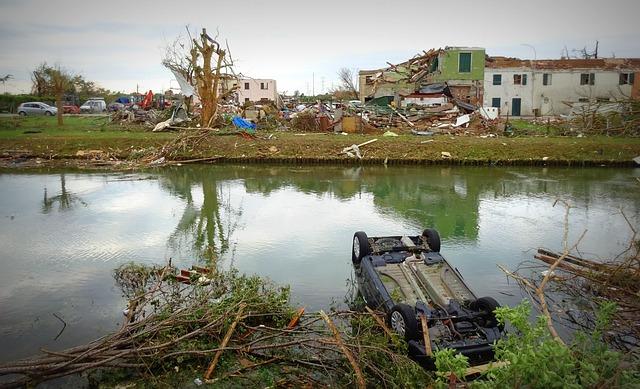
As Hurricane Kirk approaches the eastern seaboard, travel advisories have been issued for various regions, urging travelers to remain vigilant and consider their plans. Authorities are closely monitoring the storm’s trajectory and its potential impact on vulnerable coastal areas. Travelers planning to visit the affected regions should be aware of the following advisories:
- US East Coast: Heavy surf and dangerous rip currents are expected along beaches from Florida to New England. Officials are advising beachgoers to exercise caution and stay informed about changing conditions.
- Bahamas: Residents and visitors are advised to monitor local weather updates and be prepared for possible evacuations or service disruptions,especially in low-lying areas.
- Bermuda: The island is highly likely to experience strong winds and heavy rainfall, impacting transportation and logistics. It’s recommended to check with airlines and accommodation providers for cancellations or delays.
In response to Hurricane Kirk, airlines have begun waiving change fees for affected travelers. Passengers are encouraged to review their flight itineraries and make necessary adjustments ahead of time. The travel industry is bracing for potential disruptions, with many companies implementing contingency plans to mitigate the storm’s impact. Here’s a quick overview of travel options and advisories:
| Destination | Travel Advisory | airlines’ Response |
|---|---|---|
| Florida | Beach closures; Risk of flooding | change fees waived for rescheduling |
| bahamas | Potential evacuations; Monitor local announcements | Increased flight versatility |
| Bermuda | Strong winds; Possible service interruptions | Check for cancellations; Waived fees |
Travelers are urged to remain informed and heed any instructions from local authorities and emergency management agencies. It is crucial to prioritize safety and be prepared for the unexpected as Hurricane Kirk continues on its path.
Implications for the Travel Industry: Booking Cancellations and Rescheduling

The emergence of hurricane Kirk is set to have far-reaching implications for the travel industry as unprecedented weather conditions loom over popular tourist destinations.With forecasts predicting dangerous surf conditions along the US East Coast, the Bahamas, and Bermuda, travelers are urged to stay informed and prepared for potential disruptions to their travel plans.Airlines, hotels, and travel agencies are adjusting their operations in anticipation of increased booking cancellations and rescheduling requests.
Travelers considering trips to affected areas might face the following realities:
- Increased Cancellations: Many airlines are likely to offer flexible cancellation policies to accommodate changes in travel plans due to safety concerns.
- Rescheduling Options: Customers may find it easier to reschedule their bookings without penalties, reflecting an industry-wide effort to maintain customer loyalty.
- Insurance Considerations: Those who have purchased travel insurance may need to review their policies to understand coverage related to weather disruptions.
A proactive response from the travel industry could significantly mitigate the adverse effects of Hurricane Kirk. As part of their crisis management strategies, airlines and hotels will likely enhance interaction with travelers. Expect to see:
| Action | Details |
|---|---|
| Notification Systems | Airlines and booking platforms may implement advanced notification systems to alert passengers of flight changes in real-time. |
| Customer Support | Enhanced customer service options, including dedicated hotlines for affected travelers, might potentially be introduced. |
| Safety Guidelines | Travelers will be provided with up-to-date safety guidelines and evacuation procedures if necessary. |
As Hurricane Kirk approaches, it is critical for both travelers and industry stakeholders to be vigilant and adaptable. by employing flexible cancellation policies and maintaining open channels of communication, the travel sector can navigate these challenges effectively while ensuring the safety and satisfaction of those impacted by the storm.
Preparation tips for Tourists in Affected Regions
As Hurricane kirk approaches, travelers in its projected path should take proactive measures to ensure safety and minimize disruptions. Consider the following essential tips:
- Stay Informed: Monitor local news and weather updates through reliable sources, including the National Weather Service and local meteorological agencies.
- Check Travel Plans: Confirm flight statuses and accommodation arrangements. Many airlines and hotels offer flexible policies in response to severe weather.
- Prepare an Emergency Kit: Include necessary items such as bottled water, non-perishable snacks, a flashlight, and a frist-aid kit.
- Download Useful Apps: Utilize weather and emergency apps for real-time alerts and guidance on local conditions.
Travel safety Considerations
Ensuring your safety while traveling during adverse weather conditions is paramount. Here are key considerations:
- Follow Evacuation Orders: If local authorities issue evacuations, prioritize your safety and heed their guidance.
- Secure Important Documents: Keep your passport, insurance facts, and reservation confirmations in a waterproof pouch.
- Communicate with Family: Establish a communication plan with family or friends to keep them informed of your whereabouts.
| Item | Purpose |
|---|---|
| Bottled Water | Hydration during power outages |
| Non-Perishable Food | Meals without refrigeration |
| Flashlight | Light during power failures |
| First-Aid Kit | Treat minor injuries |
Emergency response and Safety Measures Along the US East Coast

The imminent arrival of Hurricane Kirk along the US East Coast has prompted significant preparations and precautionary measures as local authorities and organizations mobilize their resources to ensure the safety of residents and travelers alike. The hurricane, while primarily bringing dangerous surf conditions, carries with it the threat of heavy winds and torrential rain, wich can lead to life-threatening situations. In response,emergency management teams are focused on coordinating efforts that prioritize public safety through various channels.
Local governments and emergency services are advising residents and tourists to adhere to the following safety measures:
- Stay informed: Regularly check local news and weather updates through reliable sources.
- avoid hazardous areas: Stay away from beaches and coastal areas experiencing high surf and rip currents.
- Prepare an emergency kit: Include essentials such as water, non-perishable food, flashlights, and medications.
- Follow evacuation orders: If officials issue evacuation notices, comply instantly to ensure your safety.
Moreover, the travel industry’s response to Hurricane Kirk underscores the potential disruptions in air and sea travel. Transportation services, including airlines and cruise lines, are actively monitoring the storm’s trajectory and may implement cancellations or alterations to stored itineraries.Many travelers are encouraged to proactively check the status of their bookings with flight and hospitality providers to stay updated on any changes.
| Days Until Arrival | travel impact Warning | Recommended Actions |
|---|---|---|
| 3-5 Days | High Surf and Rip Currents | Stay off beaches and monitor updates closely. |
| 1-2 Days | Potential Flight Cancellations | Confirm travel plans with airlines and adjust itineraries as needed. |
| Day of | Severe Weather Conditions | Adhere to evacuation orders and seek shelter. |
Long-term Effects of Hurricane Season on Tourism Trends
The impacts of hurricane season extend far beyond immediate weather disruptions, cascading into long-term trends that reshape the tourism landscape for affected regions. As storms like Hurricane Kirk approach, the travel industry frequently enough braces for significant challenges, yet it also faces opportunities to innovate and adapt. Below are some of the ways that prolonged hurricane seasons can affect tourism:
- Change in Travel Patterns: Tourists may seek alternate destinations,favoring areas perceived as safer or less prone to natural disasters. This shift can lead to increased visitor numbers in unaffected regions while leaving hurricane-prone areas to contend with reduced bookings.
- Impact on Infrastructure: Rebuilding and recovery efforts may delay the reopening of key facilities such as hotels, restaurants, and attractions. This reconstruction can lead to a temporary decline in tourism revenue and alter the perception of the area as a travel destination.
- Insurance and Cancellation Policies: Increased frequency and severity of storms can lead to more rigorous insurance policies and cancellation terms for travelers, affecting bookings and customer sentiment.Travel companies may need to negotiate better terms to reassure their clients.
- Economic Ripple Effects: A decline in tourism typically impacts local economies,leading to job losses and reduced spending in communities reliant on tourist traffic. This can create a cyclical effect, where long-term economic downturns further diminish the appeal of these areas.
Moreover, the long-term effects of climate change associated with hurricane activity are beginning to shape how destinations market themselves. Efforts to promote resilience and sustainability are increasingly crucial for regions historically hit by storms. Travel companies may leverage these sustainability initiatives to attract eco-conscious travelers. As they recover, affected regions are likely to pivot towards marketing campaigns that emphasize safety and resilience, incorporating community recovery stories and infrastructure improvements to rejuvenate interest.
| Trend | Potential Long-term Impact |
|---|---|
| Shift in destination Popularity | Rising interest in less vulnerable locales |
| Changes to Insurance Policies | Increased costs and change in traveler behavior |
| Economic Slowdown in Affected Areas | Long-term job losses and reduced regional income |
| Marketing Focus on Resilience | New growth opportunities through sustainability |
In Conclusion
As Hurricane Kirk continues to gather strength and poses threats to the US East Coast, Bahamas, and Bermuda, the travel industry stands on high alert for potential disruptions in services and travel plans. With forecasters advising caution and urging travelers to stay informed, the safety of those in the storm’s projected path remains a priority. Tour operators,airlines,and hospitality sectors are mobilizing to navigate the challenges that may arise,ready to assist travelers and adapt to changing conditions. As the situation develops, staying updated on forecasts and heeding local advisories will be crucial. We encourage our readers to prioritize safety while also considering the broader impact of natural events like Hurricane Kirk on travel and tourism. We will continue to monitor the situation closely and provide timely updates.











